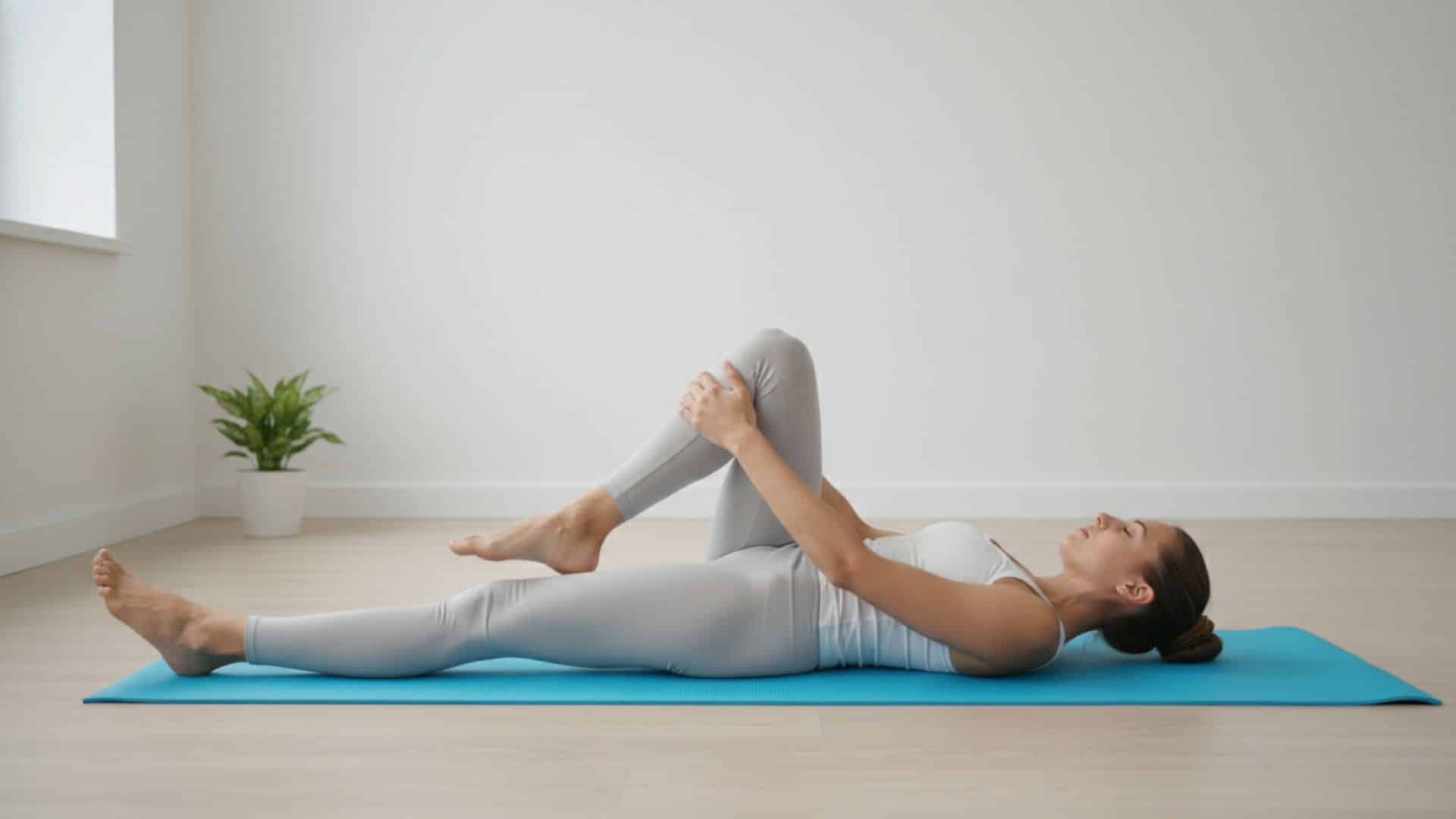
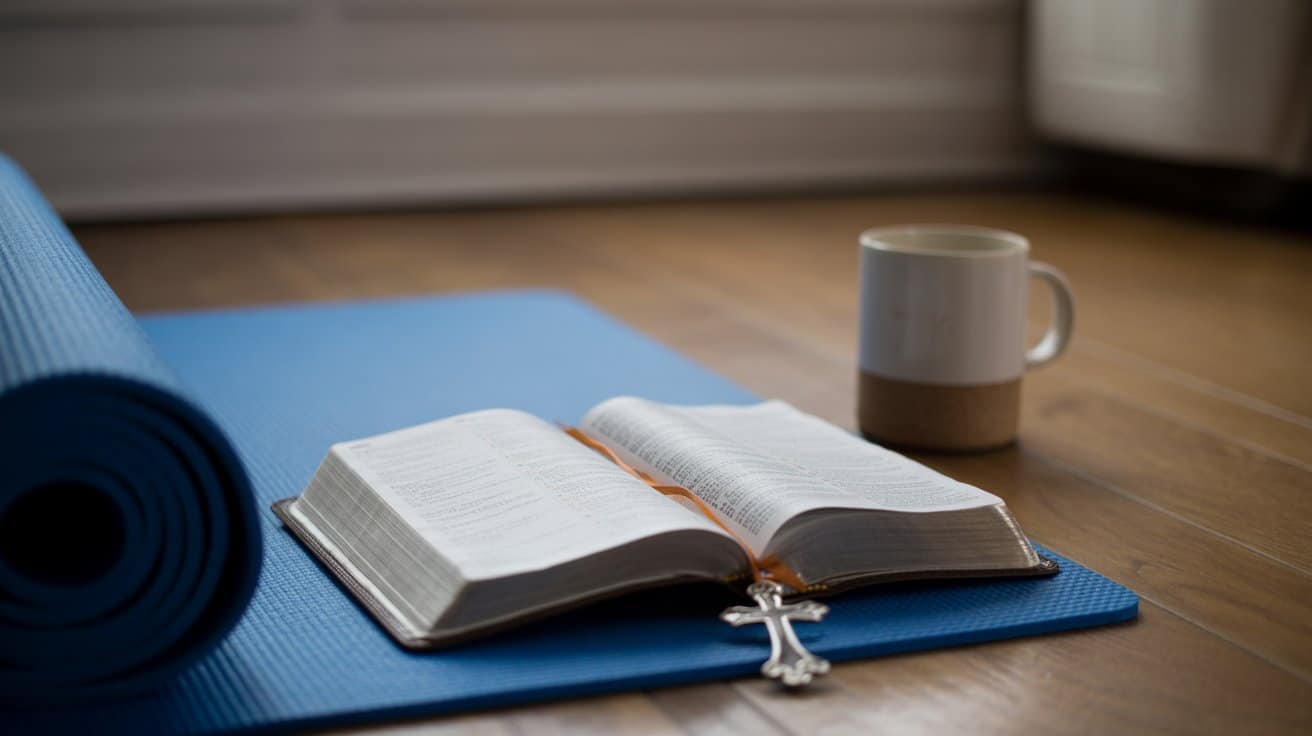
A Christian walks into a yoga class, rolls out her mat, and halfway through the session, starts wondering, “Should I actually be here?”
It’s a question millions of Christians wrestle with every year.
Yoga is everywhere, in gyms, schools, and wellness apps, and the Christian community is genuinely divided. Some pastors say it’s spiritually dangerous.
Some believers say it deepened their walk with God. Most people sit somewhere in the middle, unsure what to think.
This article lays out every credible perspective, grounded in Scripture and real voices from across the Christian community, so you can make a faith-informed decision about yoga and Christianity, and where you personally stand.
What Is Yoga, Really?
Before taking a position, it helps to understand what yoga actually is because not all yoga is the same.
The word yoga comes from the Sanskrit yuj, meaning “to yoke or unite.” Traditionally, the goal was to unite the individual self with Brahman, the Hindu concept of God, through postures, breath, and meditation.
Even the styles most common in modern studios, like vinyasa yoga, trace their names and intentions back to this ancient Sanskrit lineage.
This spiritual framework includes concepts such as chakras, mantras, and emptying the mind, all rooted in Eastern religious philosophy.
However, yoga has changed significantly as it has moved into Western culture. Today, most people encounter it in one of three forms:
- Secular gym or studio yoga: Focused on flexibility, fitness, and stress relief, with little or no religious content.
- Spiritually immersive yoga: Where Eastern philosophy is actively taught alongside the poses
- Holy Yoga / Christian yoga: Scripture-based sessions that intentionally frame the practice within Christian faith, incorporating asana poses and their physical benefits alongside prayer and worship.
These are very different experiences, and collapsing them into one answer does the debate a disservice.
What Does the Bible Actually Say?

Here’s the honest starting point: the Bible never mentions yoga. But Scripture does speak to the principles Christians use to evaluate it.
- On the body:“Do you not know that your bodies are temples of the Holy Spirit?” (1 Corinthians 6:19)
- On the mind:“Be transformed by the renewing of your mind” (Romans 12:2): not the emptying of it
- On testing practices:“Test the spirits to see whether they are from God” (1 John 4:1)
- On Christian freedom:“All things are permissible, but not all things are beneficial” (1 Corinthians 10:23)
- On your witness:“If what I eat causes my brother to fall, I will never eat meat again” (1 Corinthians 8:13)
These passages form the lens through which each camp reads the yoga question, and they don’t all point in the same direction.
Camp 1: Christians Should Not Practice Yoga
This position carries real theological weight, and it’s held by a significant portion of the Christian community, including many pastors and scholars.
The core argument is that yoga’s postures, and there is a surprisingly wide range of them across traditions, were originally designed as acts of worship toward Hindu deities, and that meaning cannot simply be stripped away by changing the playlist.
Citing Deuteronomy 12:30–32 and 2 Kings 17:33, these voices warn against syncretism, the blending of true worship with the forms of other religions.
God, they argue, consistently rejected this in Scripture, and a coat of Christian branding doesn’t change what’s underneath.
There’s also the concern about meditation. Christianity teaches transformation through renewing the mind, not emptying it.
Laurette Willis, a certified personal trainer who spent 22 years in yoga and the New Age before becoming a Christian, argues that the physical and spiritual elements of yoga are inseparable and developed PraiseMoves as what she considers a biblical alternative.
A third concern is the “stumbling block” principle from Romans 14. Even if a mature believer can navigate a yoga class without spiritual confusion, their participation may mislead someone newer to the faith who then wanders into a very different class with no theological guardrails.
Alternatives often recommended: Pilates, physical therapy-based stretching, or Christian movement practices, all offering the same physical benefits without the spiritual complexity.
Camp 2: Christians Can Practice Yoga
Many theologically grounded Christians land on the other side, and their reasoning is equally Scripture-based.
Their starting point: origin doesn’t determine spiritual validity. Christmas and Easter both have pagan roots, yet the Church redeemed them.
The argument is that God created the human body and its capacity for movement, and physical postures cannot be inherently evil. It’s the intention behind participation that matters.
This camp often applies Paul’s “meat sacrificed to idols” framework from 1 Corinthians 8–10. Just as early Christians could eat market meat without spiritually endorsing idol worship, a Christian can stretch in Warrior II without bowing to Brahman.
The Evangelical Alliance echoes this logic, comparing yoga to going to a pub on Friday night; it doesn’t lead to God, but it doesn’t automatically pull you away either, as long as you go in with your eyes open.
Several Christian yoga practitioners report that their practice has actually drawn them closer to God, creating space for prayer, gratitude, and physical stewardship.
The Holy Yoga movement was built on: using physical postures to connect with Christ in worship, anchored in Scripture and Christian community.
Camp 3: It Depends: and That’s a Valid Answer
Most honest conversations about yoga end up here, and it may be the most biblically accurate position of the three.
Not every yoga class carries the same spiritual risk. A 45-minute gym stretch session with ambient music is fundamentally different from a guru-led immersive practice in which Hindu philosophy is actively taught.
Treating them the same oversimplifies a genuinely nuanced issue.
Here’s what the middle-ground perspective asks you to consider:
- Is the instructor actively teaching Eastern spirituality, or is this a fitness class?
- Are you theologically grounded enough to filter conflicting ideas without being pulled off course?
- Could your participation confuse or mislead others in your faith community?
- What is your actual reason for being there, physical health or spiritual seeking?
This is what discernment looks like in practice. It’s not a blanket yes or no; it’s a set of honest questions asked before you walk through the door.
How to Make Your Decision
Here’s a practical checklist for any Christian navigating this question:
- Know your foundation: Are you grounded enough in your faith to engage with spiritually ambiguous spaces?
- Research the class: What does the instructor actually teach?
- Set a clear intention: Physical wellness, not spiritual exploration
- Build a filter: Have a plan for when non-Christian elements arise: pray, redirect, or opt out of that moment
- Consider your witness: How will this be perceived by people around you?
- Pray about it: Genuinely. This is where discernment lives.
- Explore alternatives if unsure: Pilates, PraiseMoves, or simple Scripture-anchored stretching routines
Conclusion
The yoga debate within Christianity isn’t going away because it touches something real: how do followers of Jesus engage with a culture that doesn’t share their beliefs?
There are sincere, Scripture-loving Christians on every side of this conversation. That alone should keep the tone humble. This is a Romans 14 issue, a matter of personal conscience, not salvation.
God gave you discernment, the Holy Spirit, Scripture, and community. Use all four.
Where do you land on this? Share your perspective in the comments.
Frequently Asked Questions
Is Yoga a Spiritual Practice?
Yoga can be a method that facilitates spiritual well-being and health, spiritual growth, and the development of an integrative worldview.
What God Is Worshipped in Yoga?
Shiva is also known as Adiyogi (the first yogi) and is regarded as the patron god of yoga, meditation, and the arts.
Is Yoga Praying to A God?
They believe that each of the yoga poses, known as “asanas,” corresponds to one of the 330 million Hindu gods.
What Is the Best Time of Day to Do Yoga?
The best time to do yoga depends on your goals, but early morning (for energy/focus) or evening (for relaxation) are popular, with consistency being key.
Does Yoga Help with Anxiety?
Yoga promotes both physical and mental relaxation, which lowers anxiety and stress.