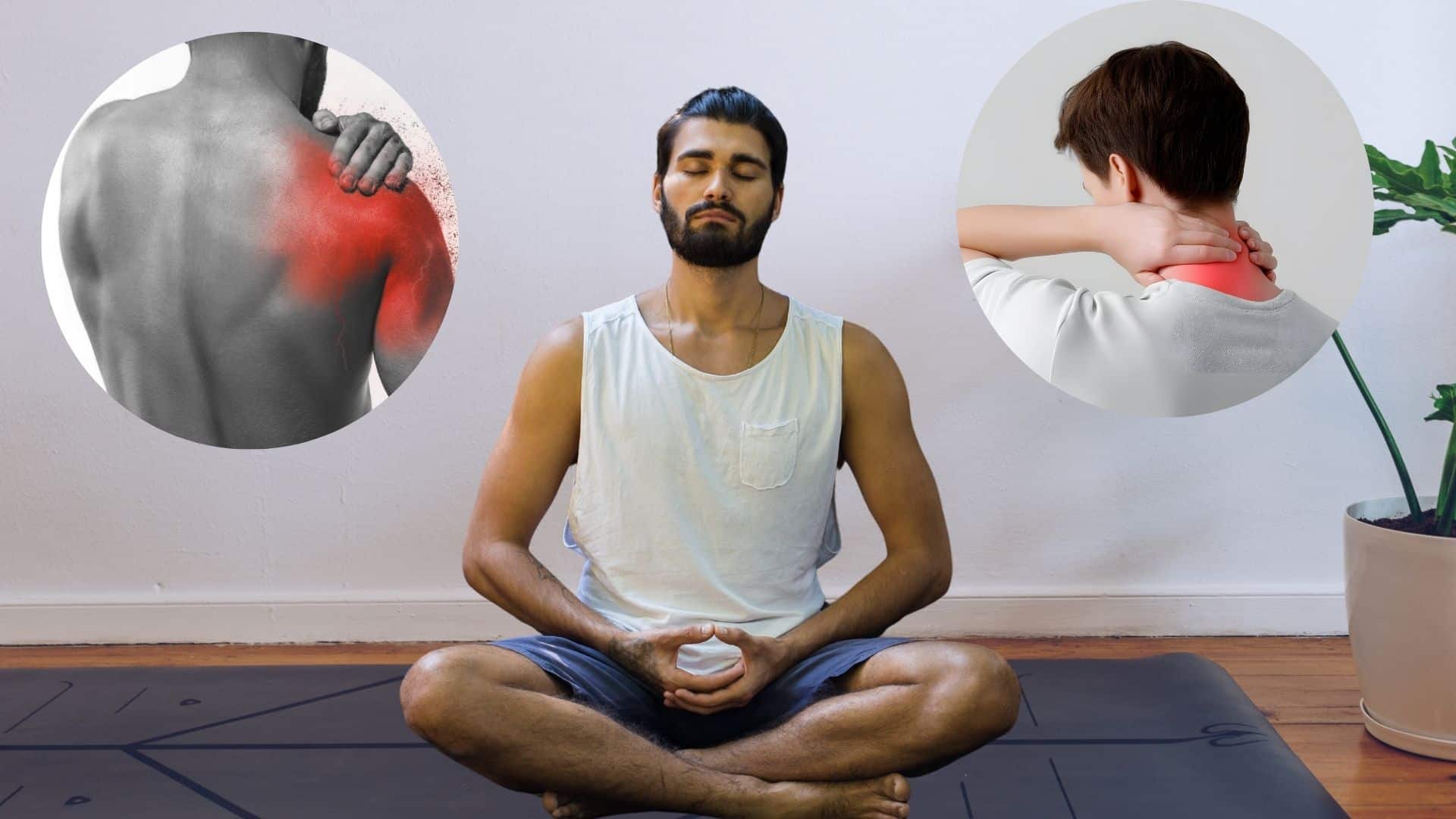
Can you build real muscle without lifting weights?
Most people think yoga only improves flexibility. That’s wrong. Yoga for strength uses your body weight to build lean, functional muscle.
Each pose creates resistance that challenges your muscles in new ways. Hold a plank for one minute, and you’ll understand. Your arms shake. Your core burns. That’s muscle-building tension at work.
This practice strengthens your entire body while improving balance and focus. Unlike isolated gym exercises, yoga works multiple muscle groups at once.
Ready to get stronger? This guide covers powerful poses, complete routines, and proven techniques. You’ll learn how yoga builds muscle and why it works.
How Yoga Builds Strength?
Yoga for strength focuses on building power using your own body weight, engaging multiple muscle groups through poses that challenge stability and balance. Strength in yoga includes:
- Muscular endurance: Holding poses longer.
- Functional strength: Moving smoothly between positions.
- Core stability: Maintaining an engaged center throughout practice.
Unlike traditional gym workouts, yoga works muscles together, improving coordination and real-world strength. It builds muscle through isometric holds, progressive resistance, and full-body engagement.
Regular practice increases muscle tone, stamina, and strength, particularly in the core and upper body. Breathing also enhances muscle performance and recovery.
Now that we understand how yoga builds strength, let’s get into the yoga poses that can enhance your physical power.
Top 17 Yoga Poses to Build Strength
These yoga poses are essential for building strength, targeting key muscle groups, and enhancing overall stability and endurance.
1. Warrior I (Virabhadrasana I)
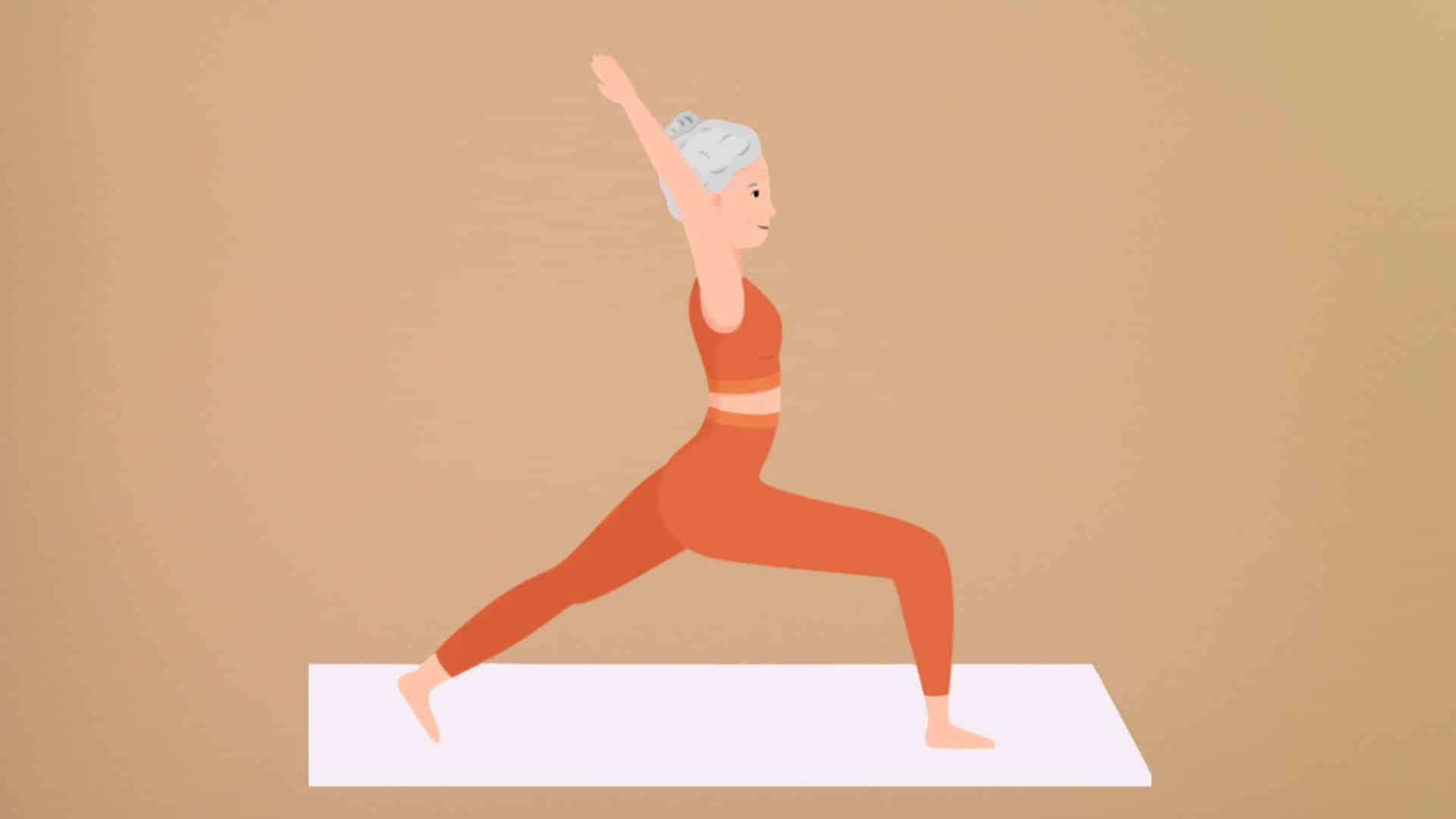
Targeted Muscles: Legs, glutes, shoulders, arms, core
- Stand with feet wide apart.
- Turn your right foot out 90 degrees.
- Bend your right knee over your ankle.
- Raise both arms overhead. Keep your hips facing forward.
This pose strengthens your entire lower body. Your front leg works hard to support your weight. Your back leg stays active and engaged. Your arms and shoulders build endurance from holding them up.
2. Warrior II (Virabhadrasana II)
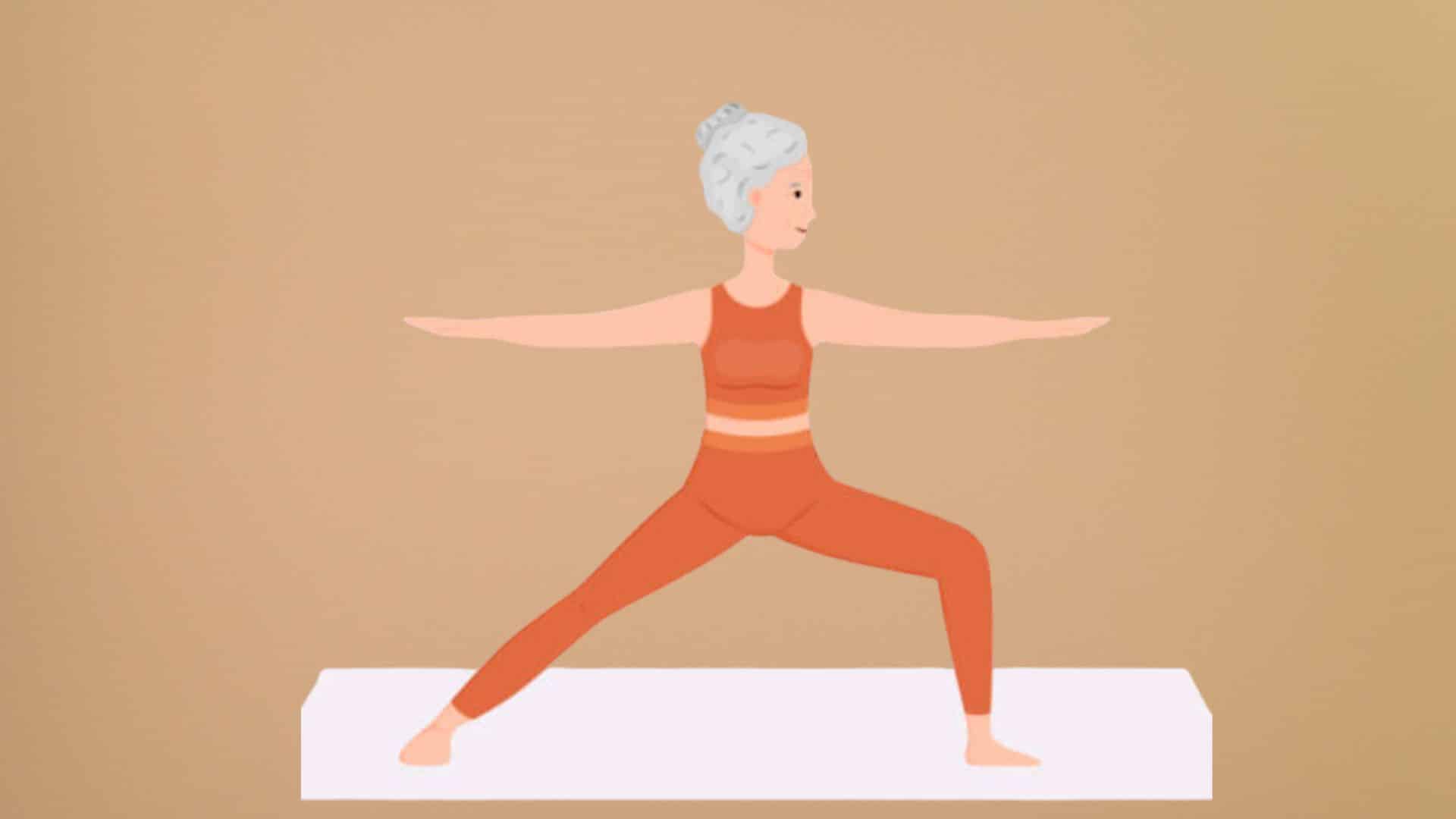
Targeted Muscles: Quadriceps, inner thighs, arms, shoulders
- From Warrior I, open your hips to the side.
- Extend your arms parallel to the ground.
- Look over your front hand.
- Your front knee stays bent at 90 degrees.
This variation challenges your legs differently. Your front thigh burns as you hold the position. Your arms get tired from staying extended. Your core works to keep you upright.
3. Warrior III (Virabhadrasana III)
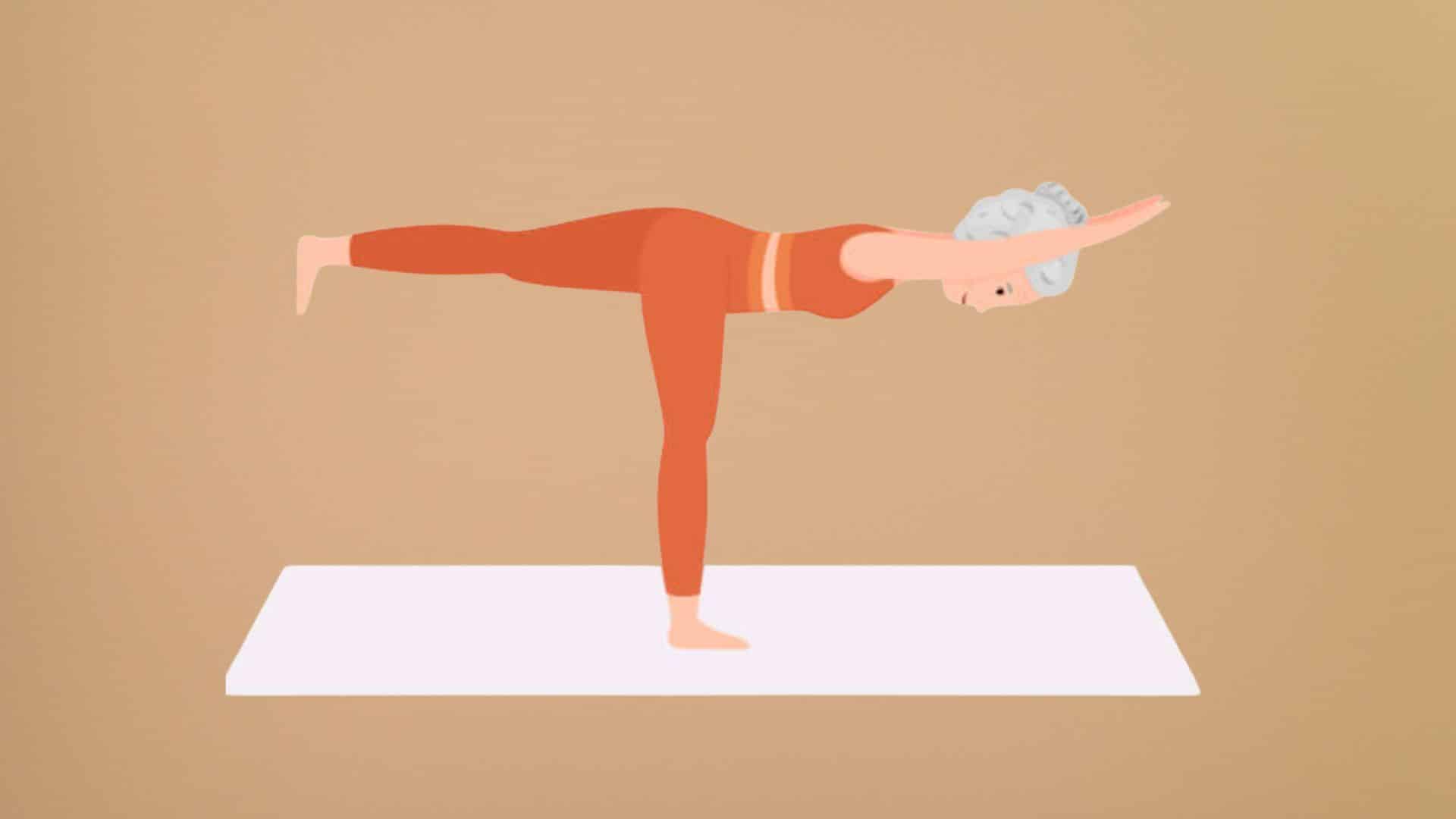
Targeted Muscles: Standing leg, glutes, back muscles, core, balance
- Start standing. Shift weight to your right foot.
- Lift your left leg behind you.
- Lean your torso forward.
- Extend your arms ahead or alongside your body.
- Create a straight line from fingers to toes.
This pose demands serious strength and focus. Your standing leg supports all your weight. Your core and back muscles work overtime to keep you steady.
4. Plank Pose (Phalakasana)
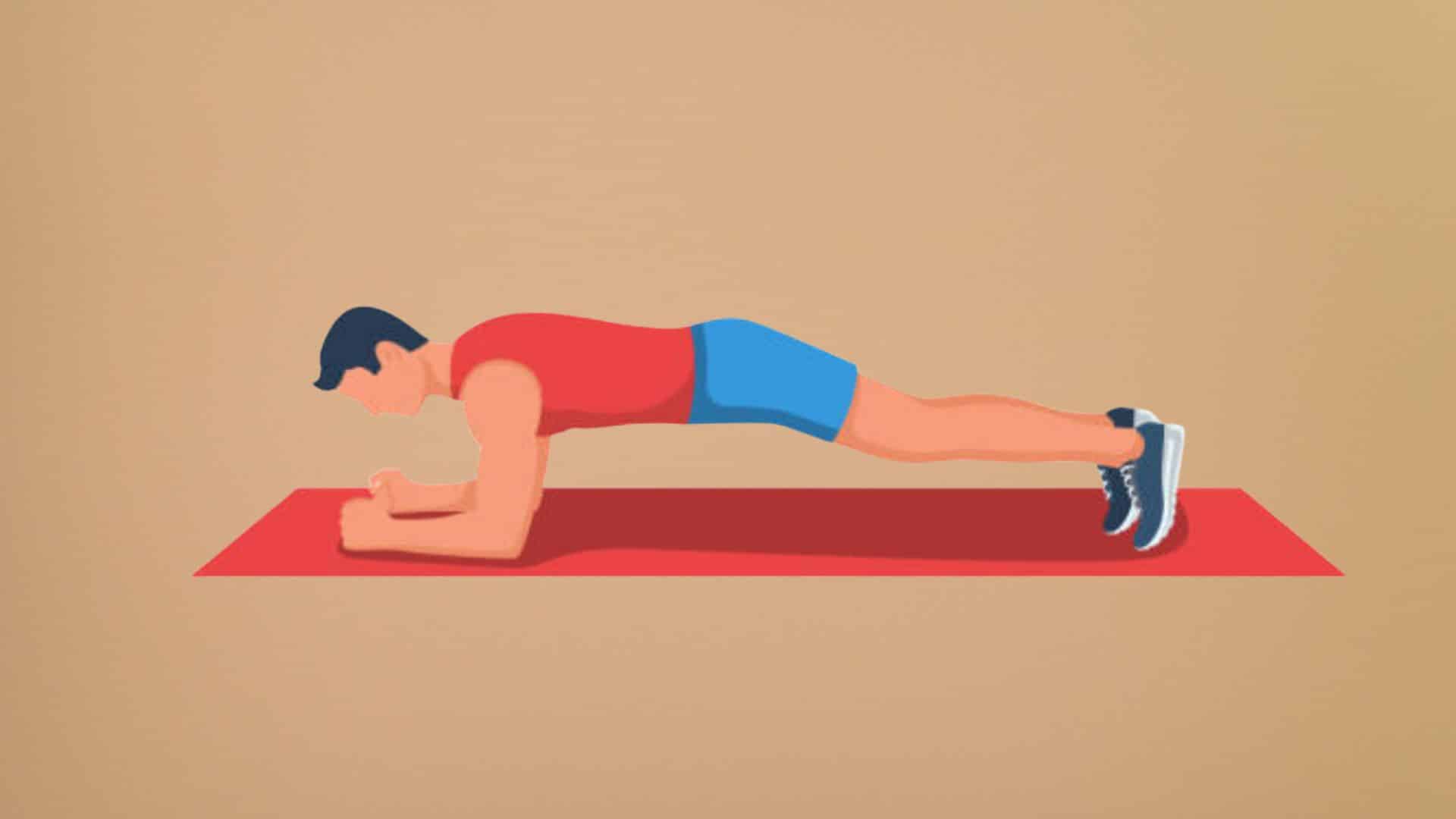
Targeted Muscles: Core, arms, shoulders, back, legs
- Start on your hands and knees.
- Step your feet back. Create a straight line from head to heels.
- Press your palms firmly into the mat.
- Engage your abs and legs.
Plank is one of the best strength builders in yoga. It works nearly every muscle in your body. Your core prevents your hips from sagging. Your arms and shoulders support your upper body.
5. Side Plank (Vasisthasana)
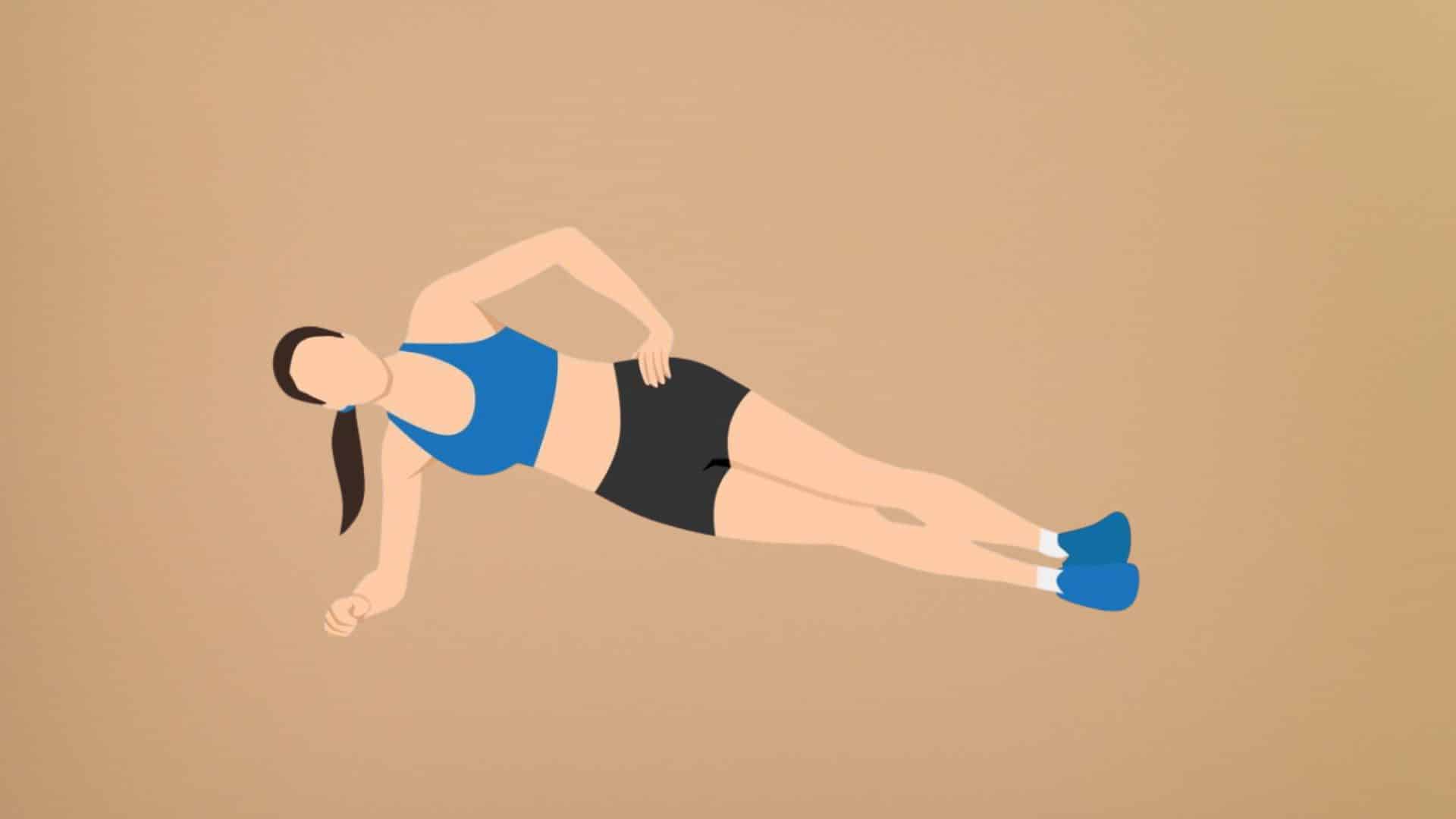
Targeted Muscles: Obliques, shoulders, arms, outer hips
- From the plank, shift to your right hand.
- Stack your left foot on your right.
- Lift your hips high.
- Extend your left arm toward the ceiling.
This variation intensifies the challenge. Your obliques work hard to keep you lifted. One arm supports your entire body weight. Your balance improves with practice.
6. Chaturanga Dandasana (Four-Limbed Staff Pose)
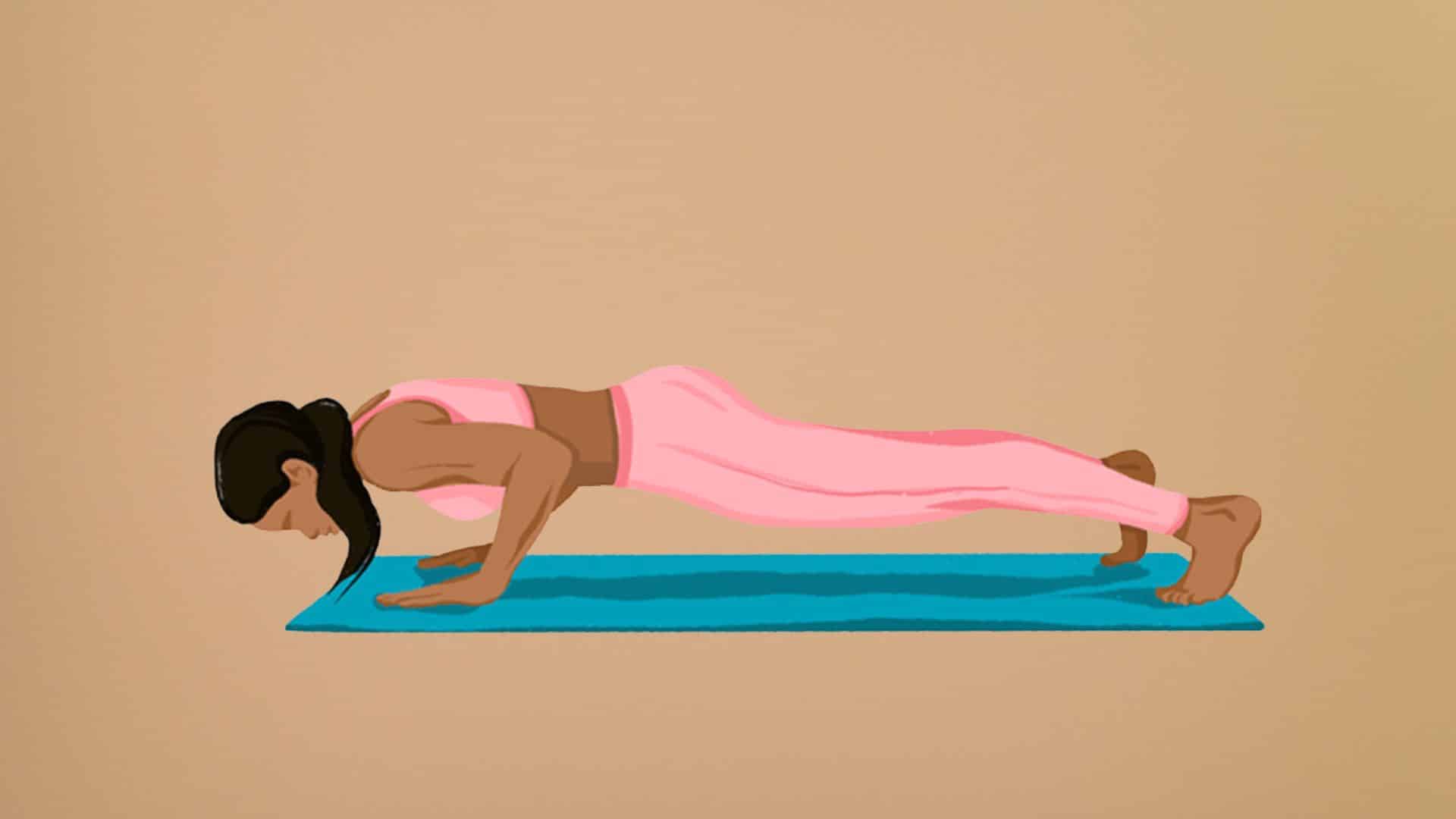
Targeted Muscles: Chest, triceps, core, shoulders
- From the plank, shift forward slightly.
- Bend your elbows to 90 degrees.
- Keep them close to your ribs.
- Lower down until your shoulders align with your elbows.
- Your body stays in a straight line.
Think of this as a yoga push-up. It builds serious upper-body strength. Your triceps and chest do most of the work. Your core keeps your body stable.
7. Downward-Facing Dog (Adho Mukha Svanasana)
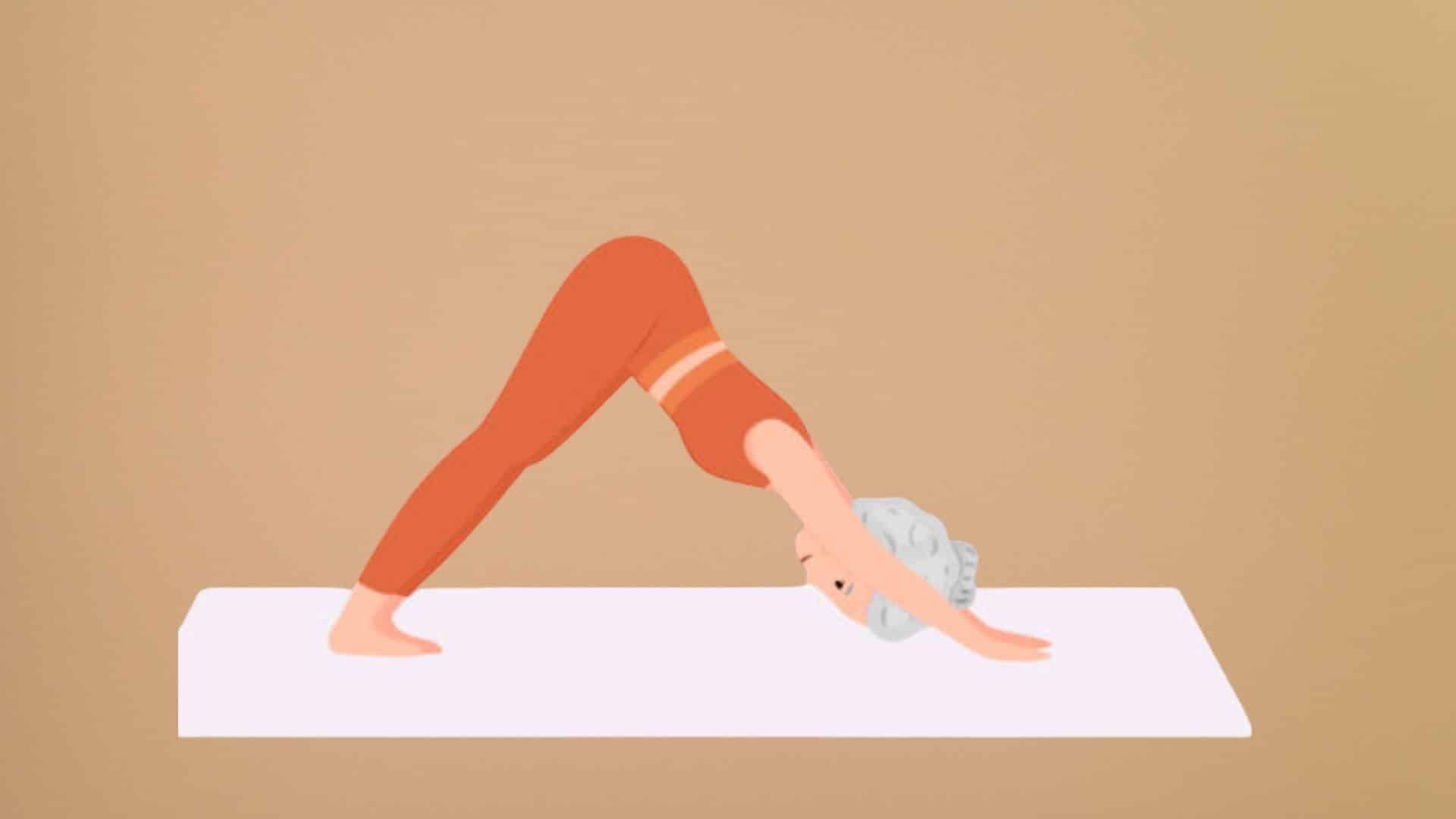
Targeted Muscles: Shoulders, arms, hamstrings, calves, core
- Start on hands and knees.
- Tuck your toes and lift your hips up and back.
- Form an inverted V shape.
- Press your hands firmly down.
- Reach your heels toward the floor.
This classic pose builds strength throughout your body. Your arms and shoulders support much of your weight. Your legs work to straighten and lengthen. Your core stays engaged to maintain the shape.
8. Crescent Lunge (Anjaneyasana)
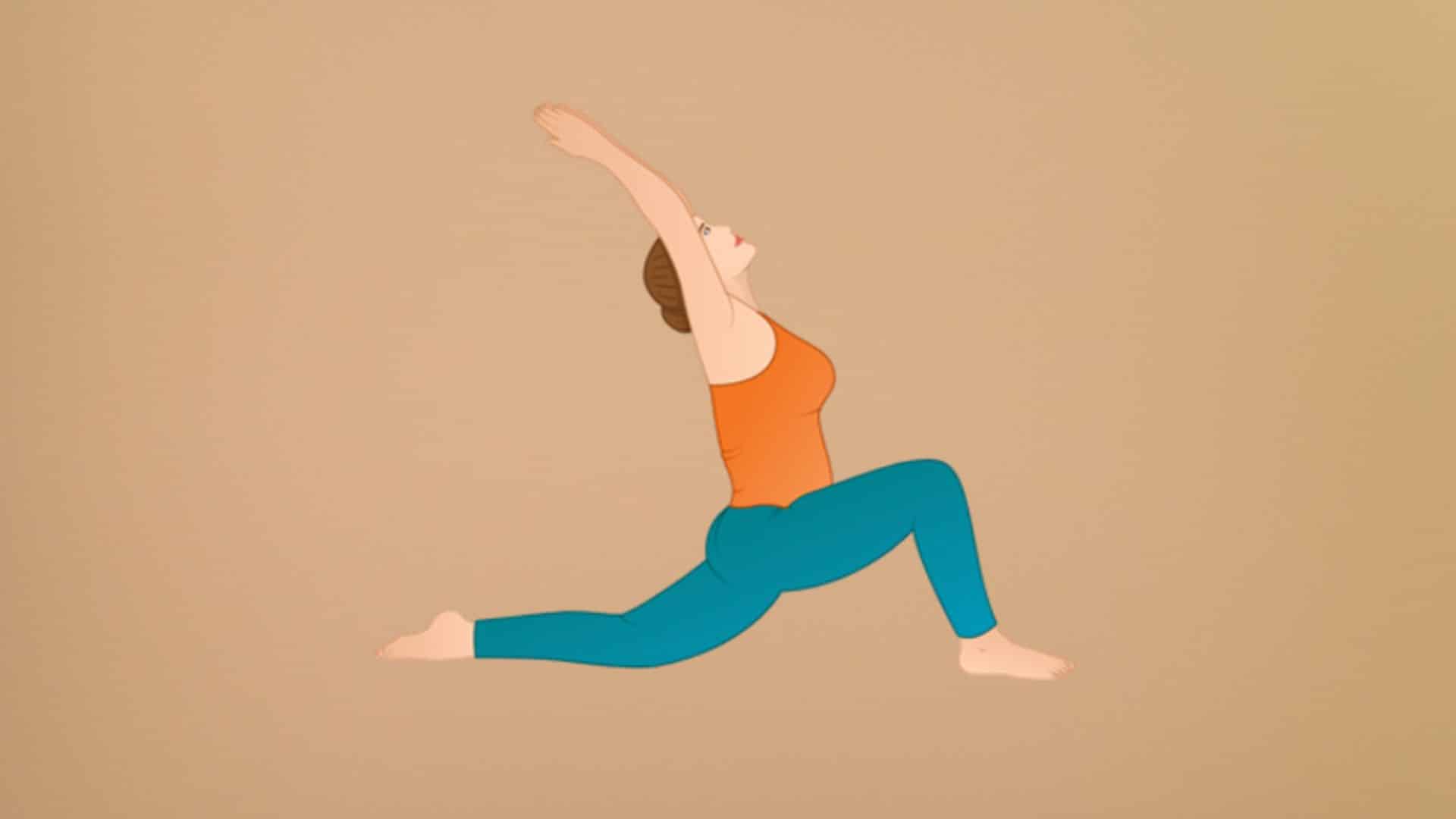
Targeted Muscles: Quadriceps, hip flexors, glutes, core, arms
- Step your right foot forward between your hands.
- Keep your back knee lifted.
- Raise your arms overhead.
- Square your hips forward. Sink deeper into the lunge.
This pose builds leg strength and opens your hip flexors. Your front leg works hard to support you. Your back leg stays active and engaged. Your arms and core provide stability.
9. Chair Pose (Utkatasana)
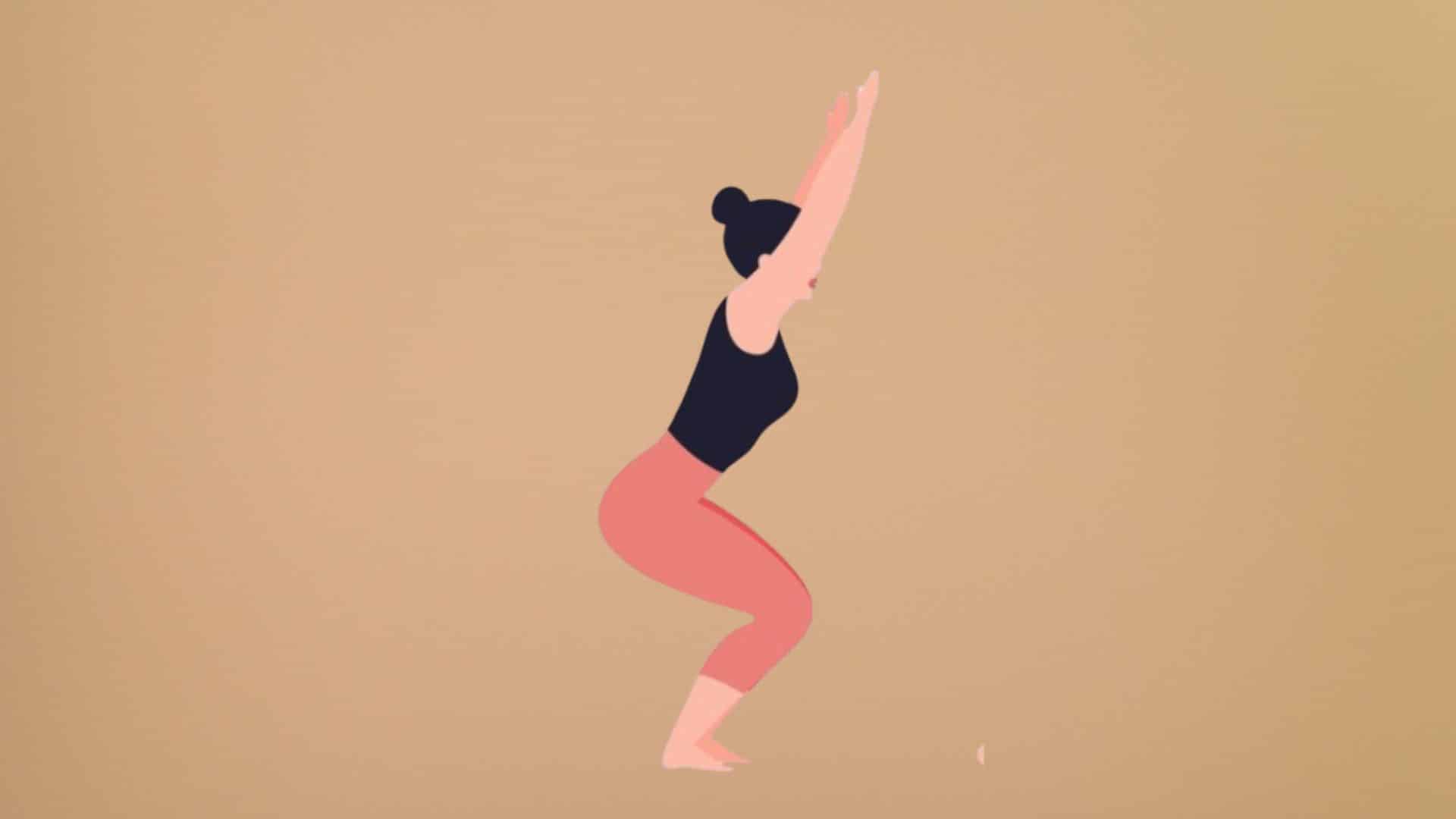
Targeted Muscles: Thighs, glutes, calves, core, shoulders
- Stand with feet together.
- Bend your knees and lower your hips.
- Reach your arms overhead.
- Shift your weight into your heels. Keep your chest lifted.
Chair pose is deceptively challenging. Your thighs burn quickly. It mimics sitting in an invisible chair. This builds serious leg strength and endurance.
10. Boat Pose (Navasana)
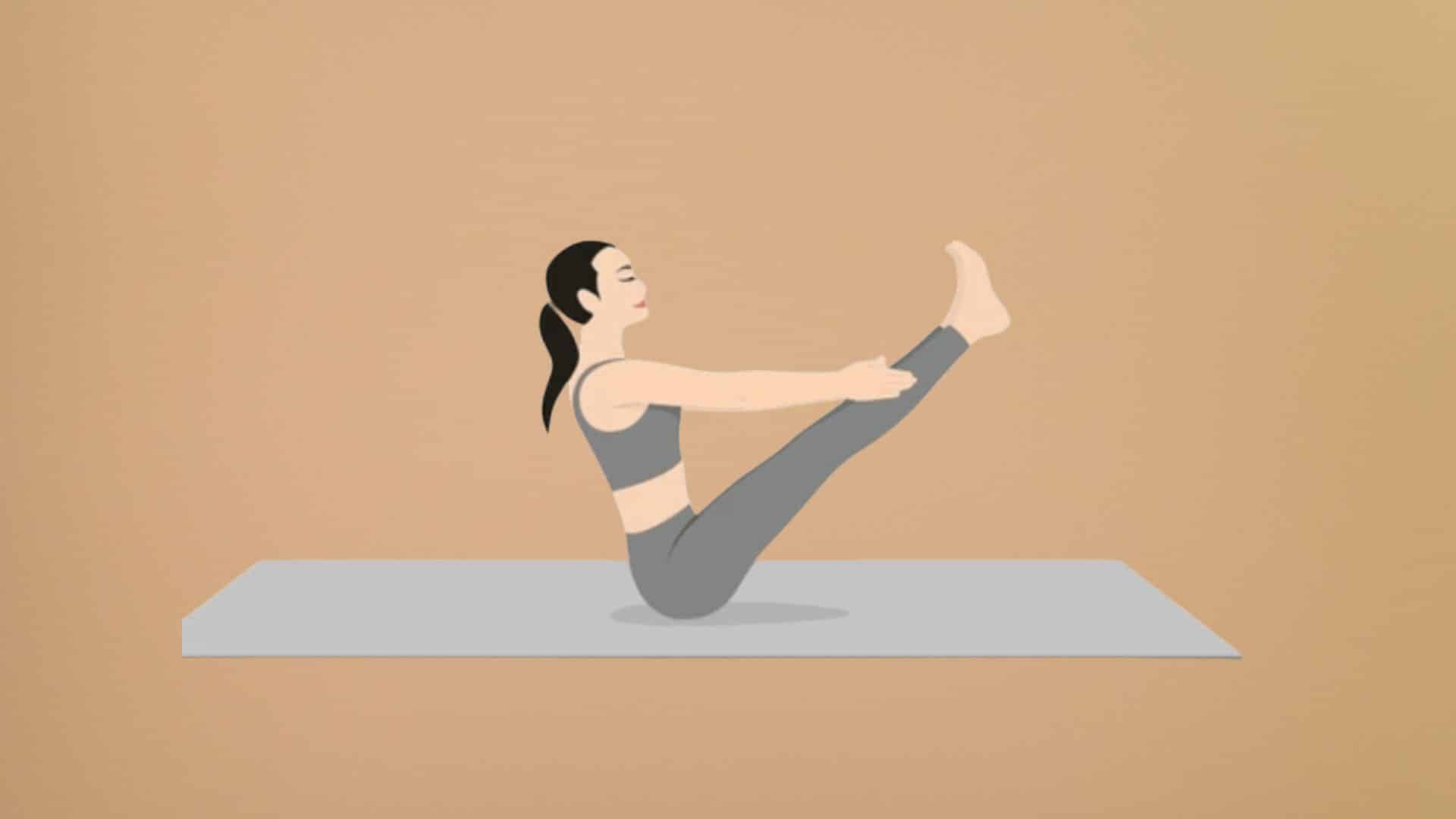
Targeted Muscles: Core, hip flexors, lower back
- Sit on the floor. Bend your knees with feet flat.
- Lean back slightly. Lift your feet off the ground.
- Extend your arms forward. Straighten your legs if possible.
The boat pose targets your entire core. Your abs work to keep you balanced. Your hip flexors lift and hold your legs. This builds serious abdominal strength.
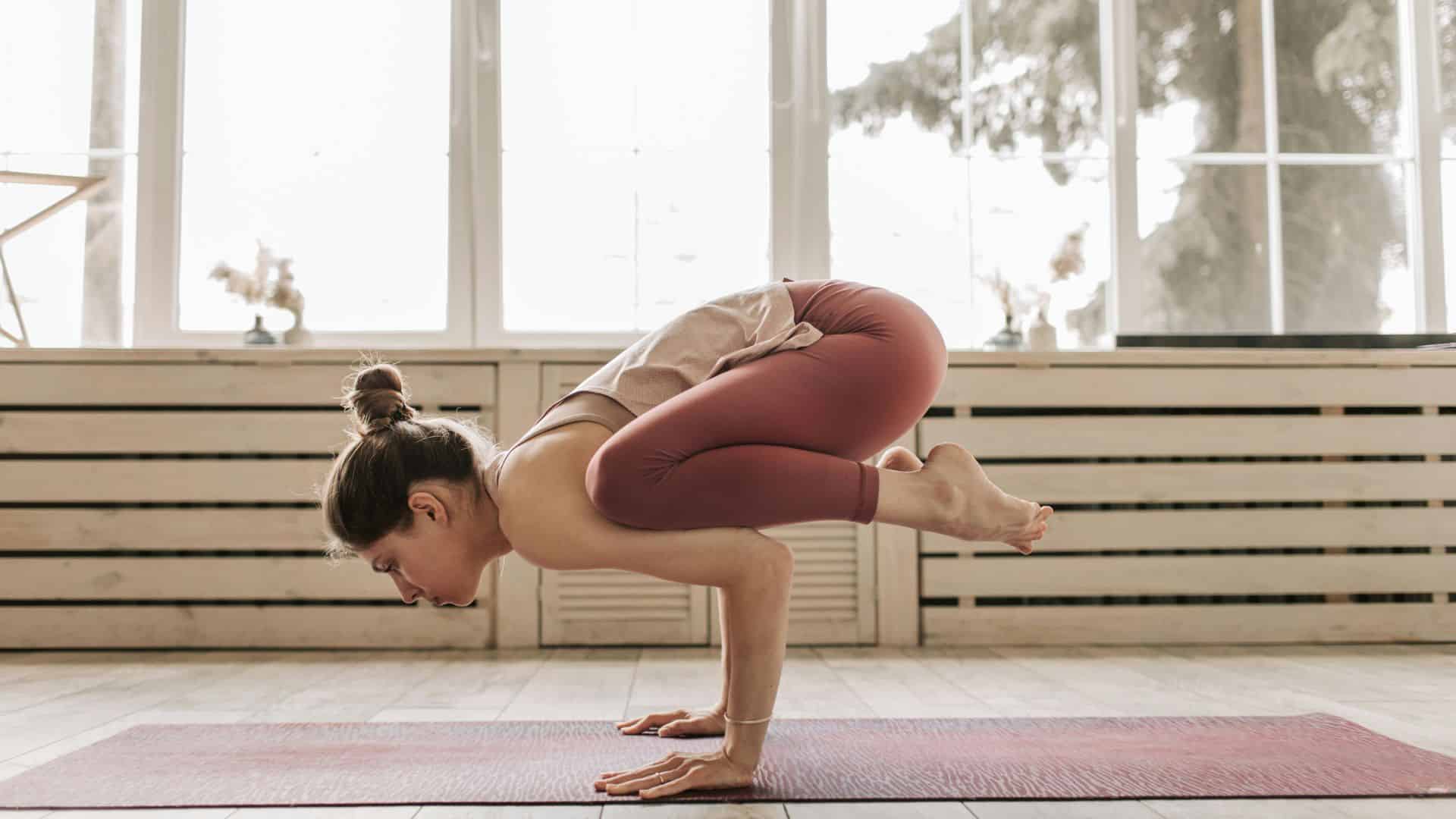
11. Crow Pose (Bakasana)
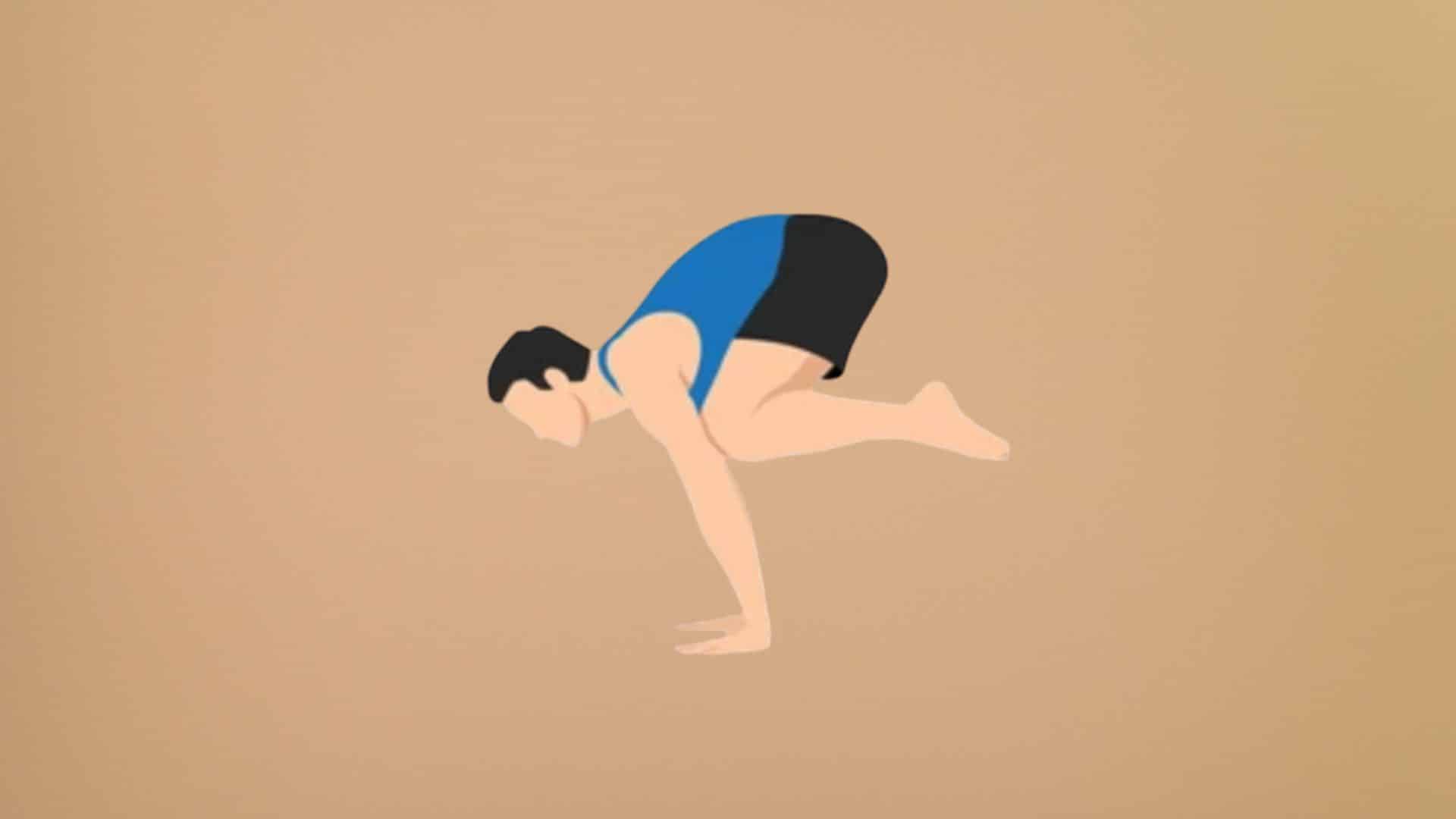
Targeted Muscles: Arms, wrists, core, hip flexors
- Squat down with hands flat on the mat.
- Place your knees on the backs of your upper arms.
- Lean forward and lift your feet off the ground.
- Balance on your hands.
This arm balance requires significant strength. Your arms support your entire body weight. Your core pulls your legs up and in. It also builds confidence and focus.
12. Triangle Pose (Trikonasana)
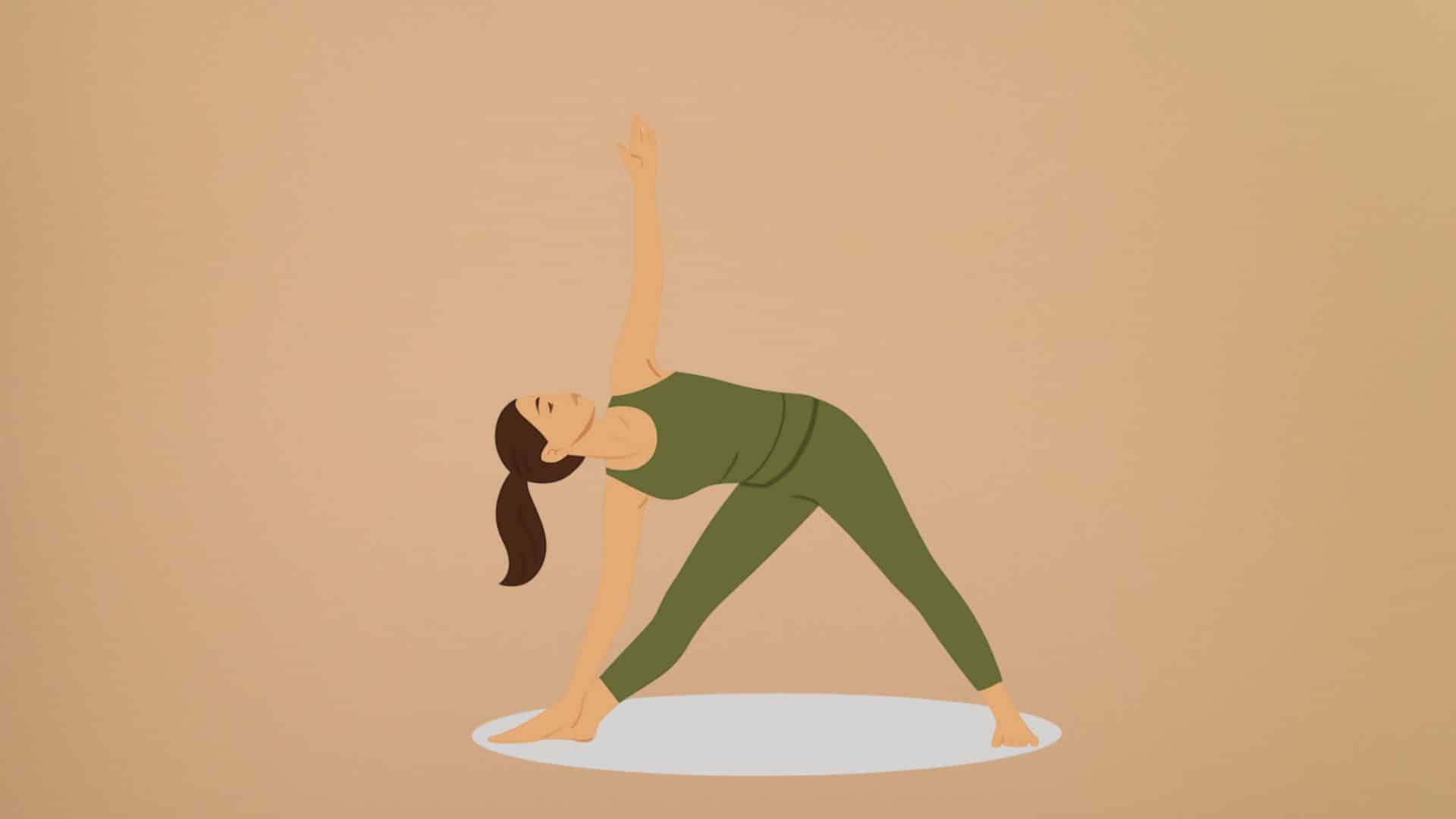
Targeted Muscles: Legs, obliques, shoulders
- Stand wide. Turn your right foot out.
- Extend your arms parallel to the ground.
- Reach your right hand down to your shin or the floor.
- Lift your left arm. Look up at your top hand.
The triangle pose strengthens your legs while opening your body. Your legs stay straight and active. Your core stabilizes your torso. Your shoulders work to keep your arms extended.
13. Bridge Pose (Setu Bandhasana)
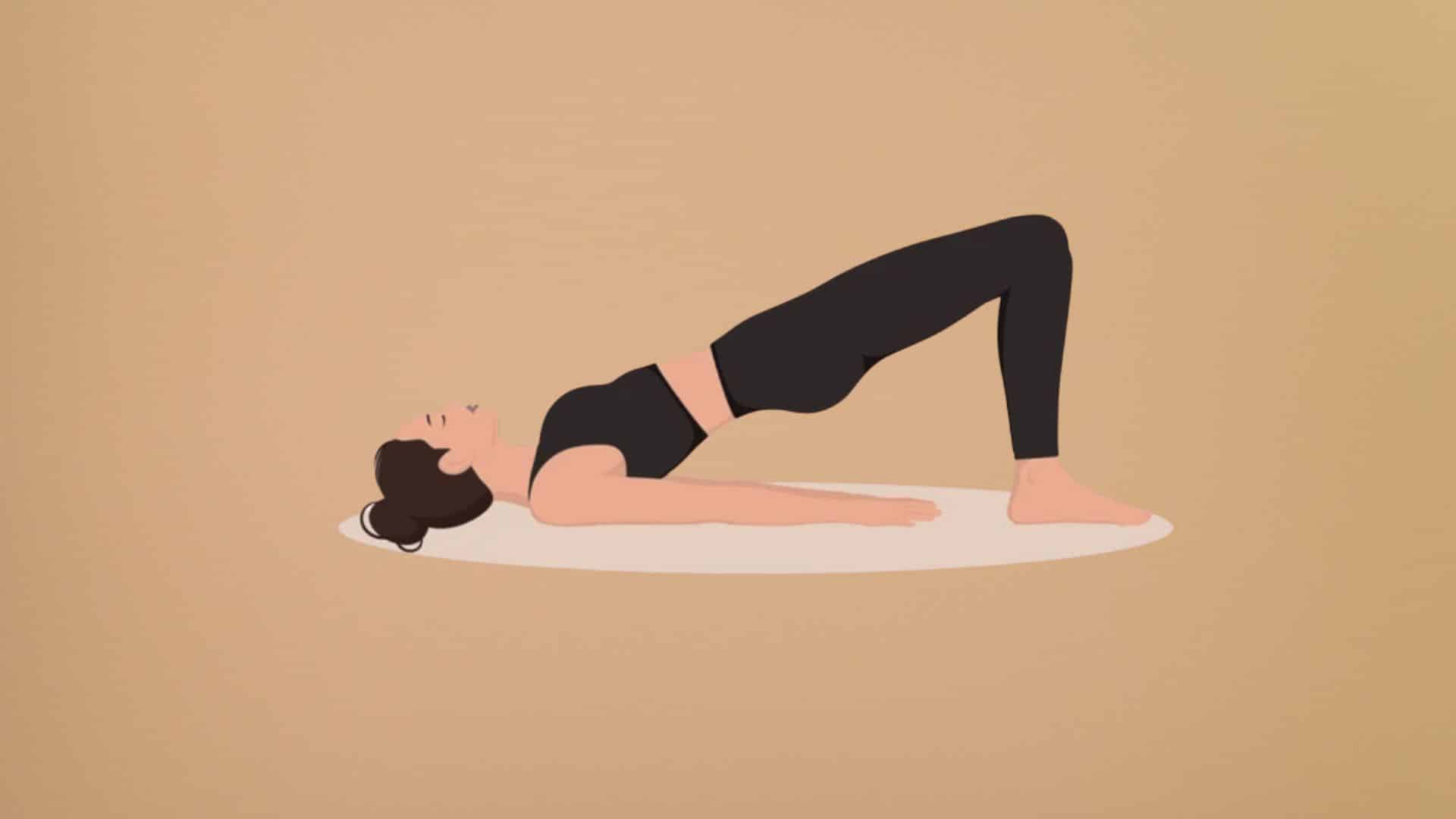
Targeted Muscles: Glutes, hamstrings, lower back, core
- Lie on your back. Bend your knees with feet flat.
- Press your feet down and lift your hips.
- Clasp your hands under your back.
- Roll your shoulders underneath you.
The bridge pose strengthens your posterior chain. Your glutes do most of the lifting. Your hamstrings and lower back provide support. This pose also opens your chest.
14. Dolphin Pose (Ardha Adho Mukha Svanasana)
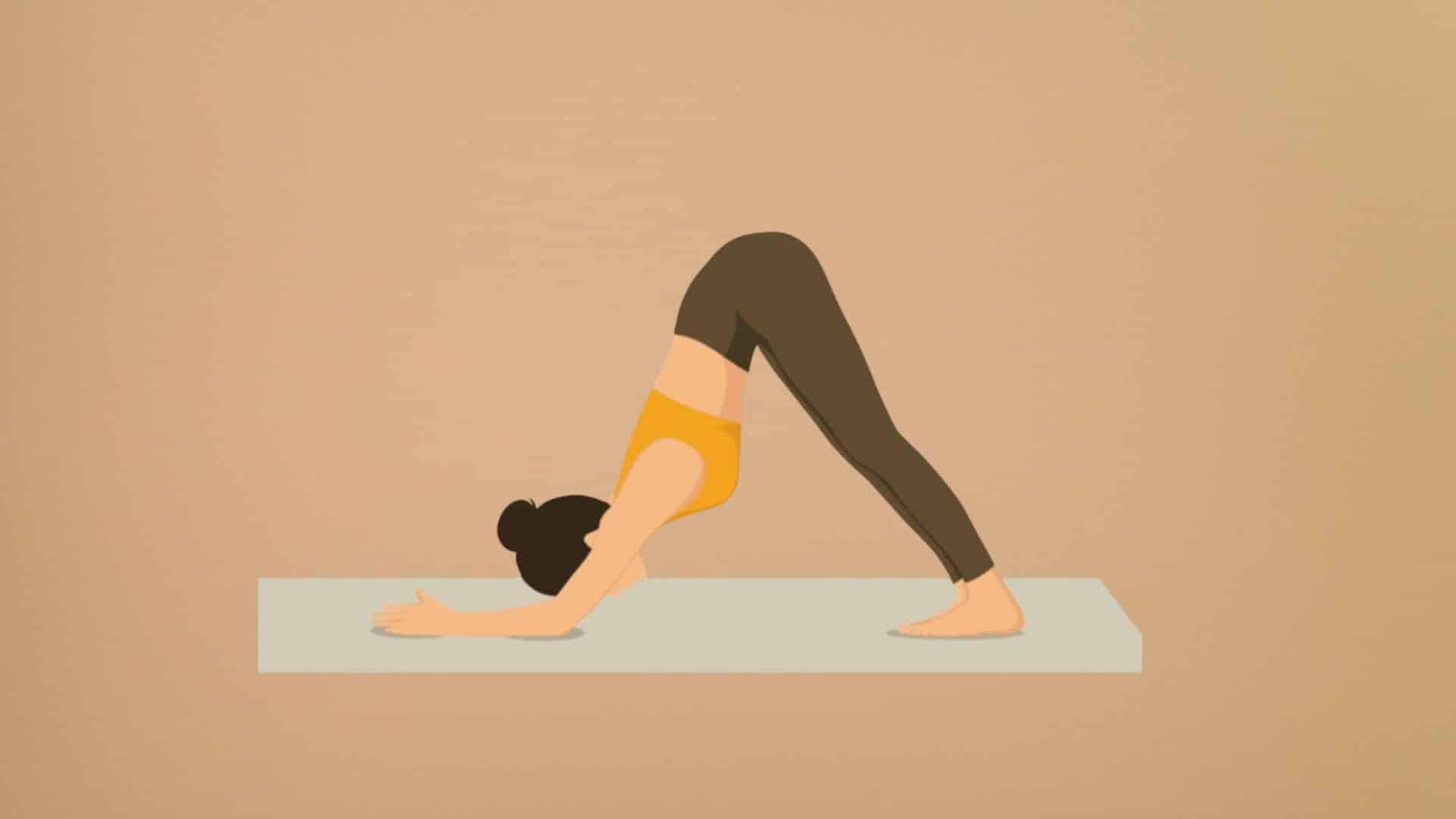
Targeted Muscles: Shoulders, arms, core, legs
- Start on your forearms and knees.
- Clasp your hands together.
- Tuck your toes and lift your hips.
- Walk your feet slightly forward.
- Press your forearms firmly down.
Dolphin pose is like Downward Dog on your forearms. It builds serious shoulder and arm strength. Your core works hard to maintain the position. This pose prepares you for headstands and forearm balances.
15. Locust Pose (Salabhasana)
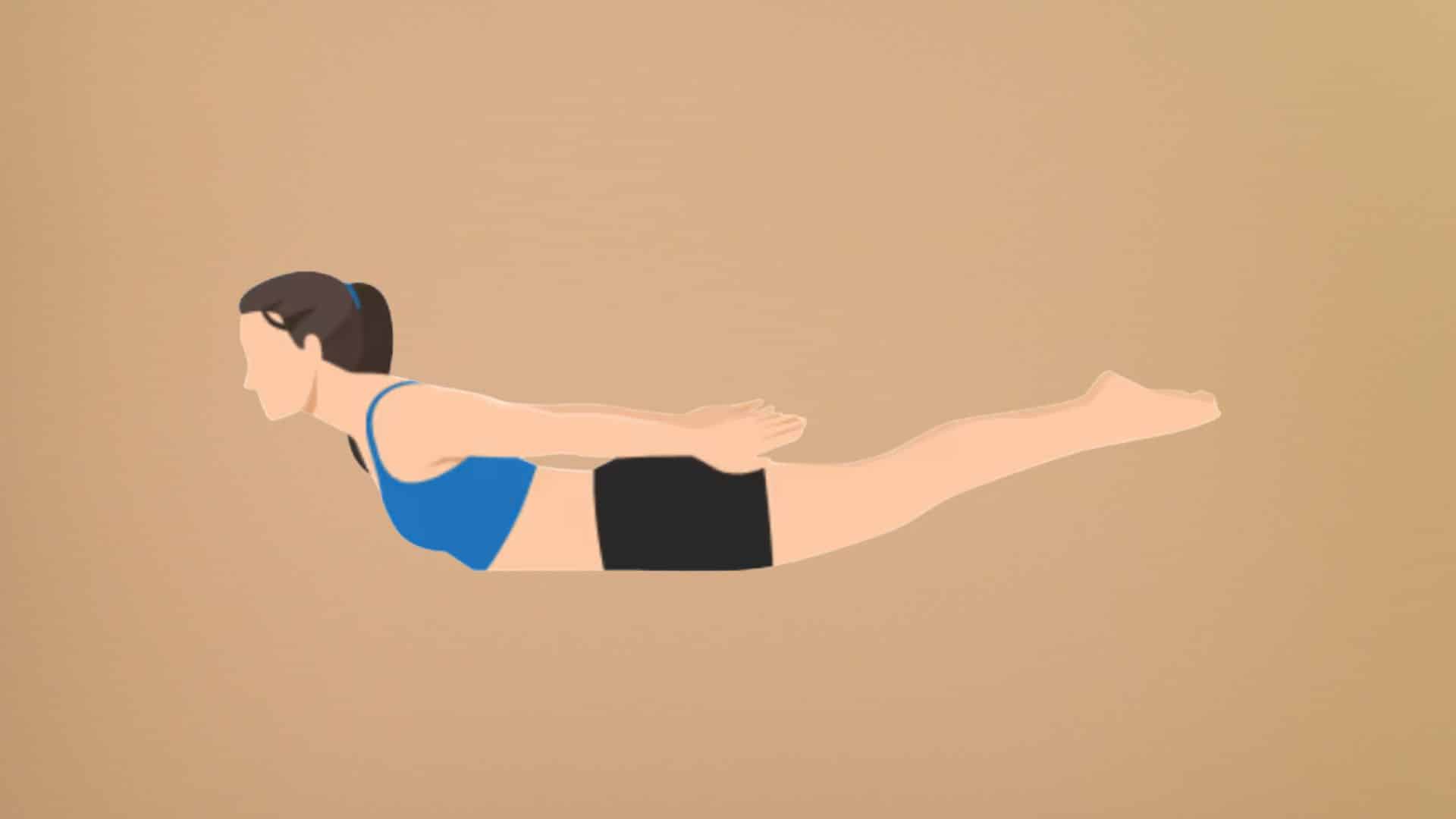
Targeted Muscles: Lower back, glutes, hamstrings, shoulders
- Lie face down.
- Place your arms alongside your body.
- Lift your chest, arms, and legs off the ground.
- Look slightly forward. Hold the position.
The locust pose strengthens your entire back body. Your lower back muscles work to lift your torso. Your glutes and hamstrings lift your legs. This pose improves posture and back strength.
16. Camel Pose (Ustrasana)
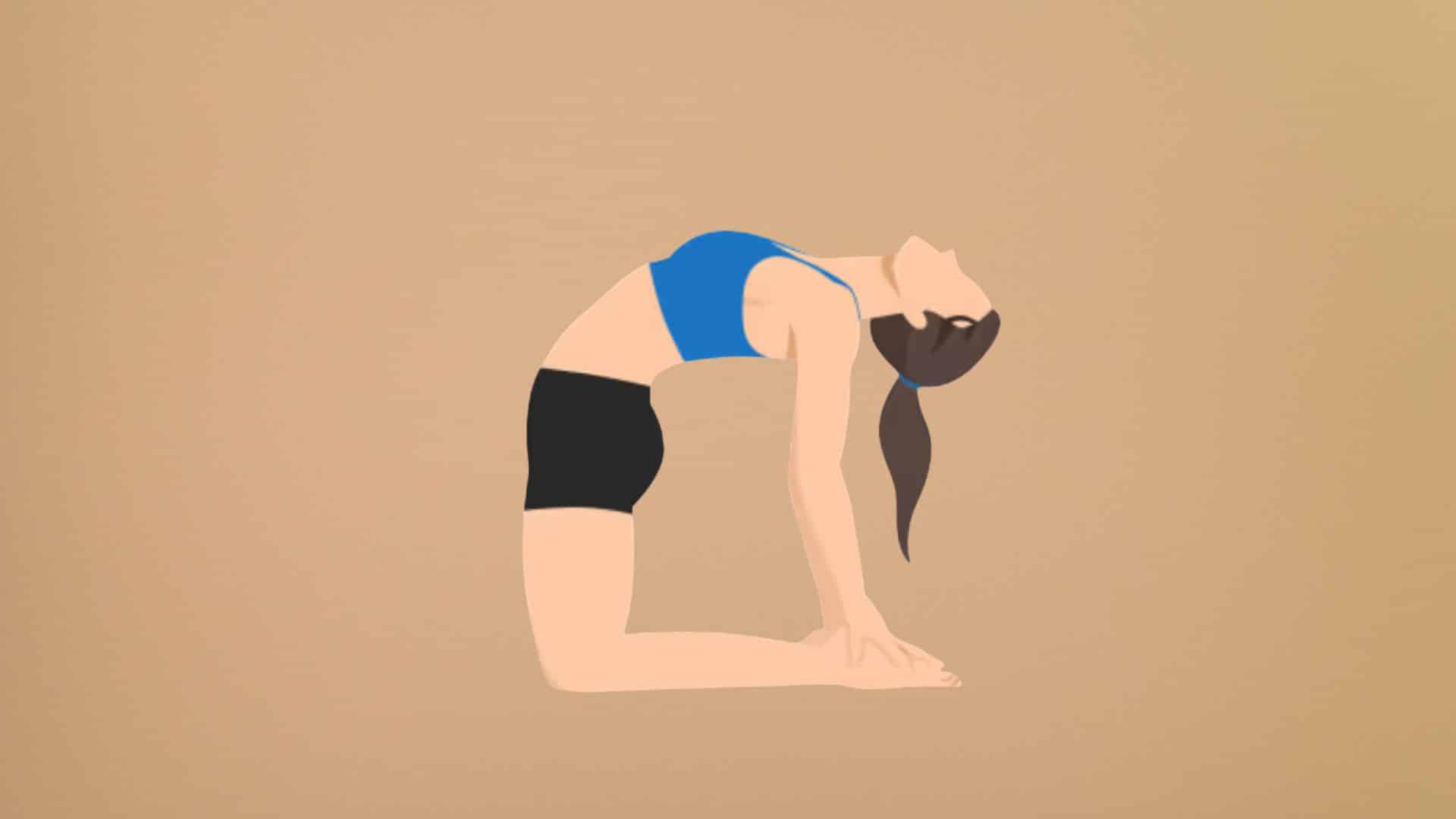
Targeted Muscles: Core, hip flexors, thighs, back muscles
- Kneel with knees hip-width apart.
- Place your hands on your lower back.
- Lift your chest and lean back.
- Reach for your heels if possible.
- Keep your hips over your knees.
The camel pose requires strength and flexibility. Your thighs support your weight. Your back muscles work to maintain the backbend. Your core stays engaged to protect your spine.
17. Half Moon Pose (Ardha Chandrasana)
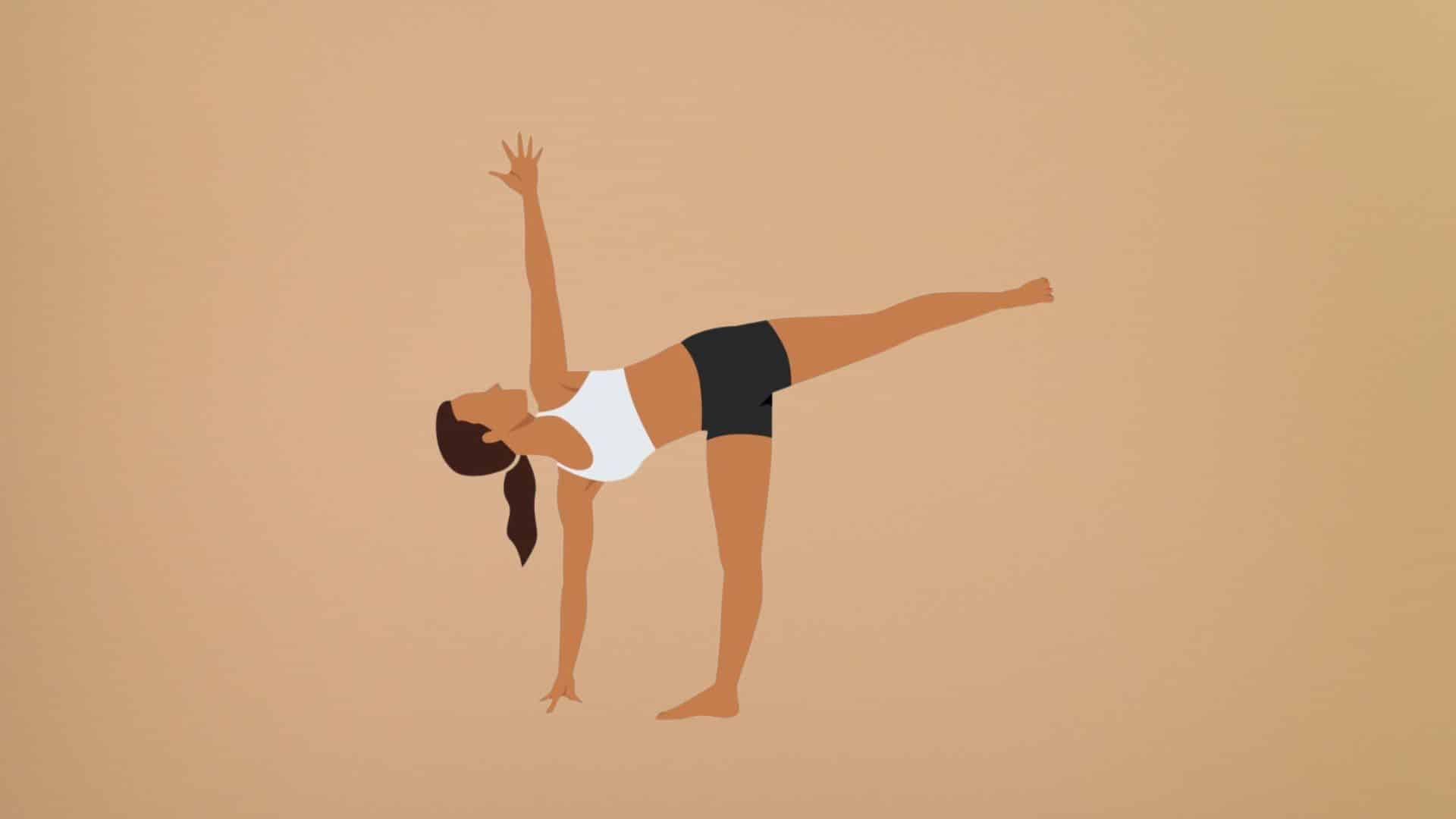
Targeted Muscles: Standing leg, glutes, obliques, shoulders
- From the Triangle pose, bend your front knee.
- Place your front hand on the ground ahead of your foot.
- Lift your back leg parallel to the floor.
- Open your chest to the side. Extend your top arm up.
Half Moon builds strength and balance. Your standing leg supports all your weight. Your core keeps you stable and lifted. Your shoulders work to keep your arms extended.
| What one Yoga pose is best for strength? While multiple poses are helpful for strength building, the Plank pose stands out among all. |
Yoga not only builds strength but can also be a foundation for creating routines that target and enhance your power.
Yoga Routines to Build Strength
Here’s a structured breakdown of yoga routines for different experience levels, designed to build strength and enhance your practice.
| Routine | Warm-up | Main Sequence | Cool-down |
|---|---|---|---|
| Beginner | 5 min: Cat-Cow, Downward Dog, Child’s Pose | 15 min: Mountain Pose → Chair Pose, Warrior I → Plank Pose → Downward-Facing Dog → Crescent Lunge → Bridge Pose → Boat Pose | 5 min: Seated Forward Fold, Supine Twist, Corpse Pose |
| Intermediate | 5 min: Sun Salutation A | 25 min: Warrior I → Warrior II → Triangle Pose → Half Moon Pose → Plank Pose → Chaturanga → Upward Dog → Downward Dog Dolphin Pose → Warrior III → Crescent Lunge → Chair Pose → Side Plank → Boat Pose → Bridge Pose → Locust Pose | 5 min: Camel Pose, Child’s Pose, Final relaxation |
| Advanced | 5 min: Sun Salutation B | 35 min: Chair Pose → Warrior III → Half Moon Pose → Boat Pose variations → Plank Pose → Side Plank → Chaturanga push-ups → Dolphin Pose → Crow Pose → Locust Pose → Bridge Pose → Camel Pose → Plank to Downward Dog flow → Boat Pose | 5 min: Seated Forward Folds/Twists, Final relaxation |
With these routines in mind, you can now focus on refining your technique and gradually increasing the intensity to continue building strength and flexibility.
Incorporating Yoga into a Strength Training Routine
Combine yoga and strength training for optimal results. Sample Weekly Schedule:
- Monday: Upper body strength + 10-min yoga cool-down
- Tuesday: 30-minute yoga strength session
- Wednesday: Lower body strength + 10-min yoga cool-down
- Thursday: 45-minute mixed yoga practice
- Friday: Full-body strength + 10-min yoga cool-down
- Saturday: 60-minute yoga class
- Sunday: Rest or gentle recovery yoga
Quick Tips:
- Do yoga after weight training for recovery.
- Keep strength-focused yoga on separate days to allow muscles to rest.
- Use yoga as a warm-up for lighter lifts.
- Match intensity: tough training days, easier yoga.
Yoga routines designed to build strength also complement strength training by improving flexibility, mobility, and recovery.
While yoga enhances strength, it’s essential to be aware of common mistakes that can hinder progress and lead to injury.
Common Mistakes to Avoid in Yoga for Strength
By being mindful of the common mistakes below, you can ensure safer practice and increase the strength-building benefits of yoga.
1. Lack of Engagement: Many beginners go through the motions. They hold poses without truly activating their muscles. This doesn’t build strength. You must engage fully to see results.
2. Overextending or Improper Alignment: Pushing too far, too fast, leads to injury. Poor alignment places stress on joints rather than muscles. Use a mirror when practicing alone. Check your alignment regularly.
3. Skipping Warm-ups and Cool-downs: Jumping straight into challenging poses risks injury. Your muscles need preparation. Warming up increases blood flow. Cool-downs start the recovery process. Never skip these steps.
With consistent, mindful practice, yoga can build real strength, helping you move through life with greater stability, resilience, and inner balance.
Conclusion
Yoga for strength offers a complete approach to fitness. You’ve learned poses that build muscle using only your body weight. Each position targets specific muscle groups while improving your overall stability.
Start with the beginner routine and progress slowly. Hold poses longer as you get stronger. Combine yoga with traditional training for maximum results.
Remember, proper form matters more than pushing too hard. Your muscles need time to adapt and grow. Practice 3 to 4 times weekly at first. Track your progress by how long you hold positions.
Within weeks, you’ll notice fundamental changes. Your muscles will feel stronger. Poses that seemed impossible become achievable.
Begin your practice today and experience how yoga uplifts your strength.