Why does something meant to relax you sometimes leave your head throbbing?
Getting a headache after a massage seems like the opposite of what should happen. Many people book massages to escape stress and tension, not to gain new discomfort.
Yet post-massage headaches happen more often than most realize. Your body goes through significant changes during bodywork. Sometimes these changes create temporary pain instead of immediate relief.
Understanding why headaches occur after a massage helps you prevent them. This guide explains the causes behind post-massage head pain, identifies warning signs to watch for, and provides practical solutions.
Whether you get headaches occasionally or after every session, these insights will help you enjoy massage therapy without the unwanted aftermath.
Causes of Headaches After a Massage
Getting a headache after a massage can feel confusing. Your body goes through several changes during a massage session. These changes can sometimes lead to discomfort in your head.
Let’s look at the main reasons why headaches happen after massage therapy.
Release of Muscle Tension
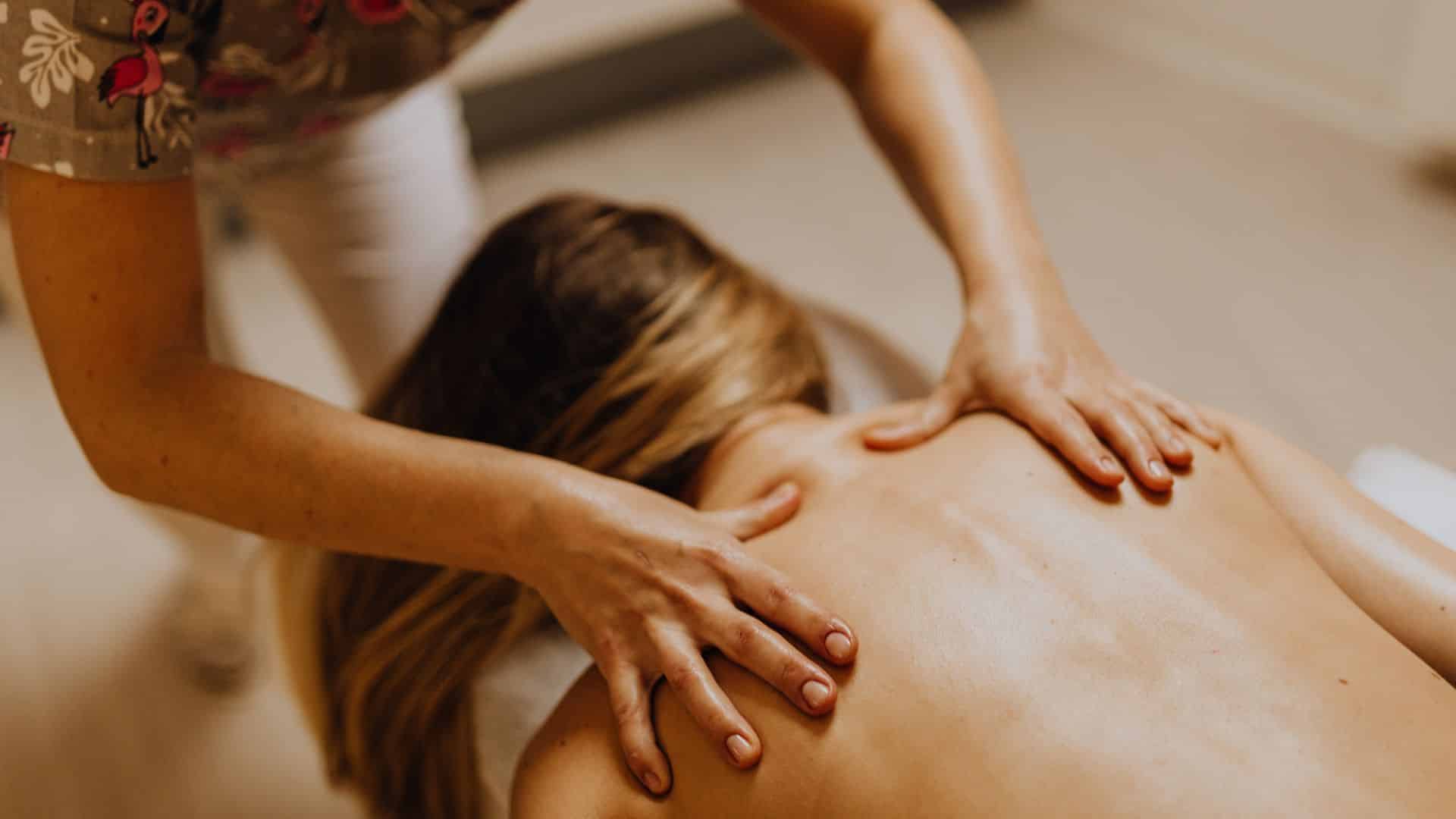
Your neck and shoulder muscles hold stress for hours, days, or even weeks. When a therapist works on these tight areas, the sudden release can trigger a headache.
This happens because tight muscles restrict blood flow and put pressure on nerves. When those muscles finally relax, your body needs time to adjust. The shift can cause temporary pain.
Key signs of tension-related headaches:
- Pain that starts in your neck or shoulders
- Tightness at the base of your skull
- Discomfort that spreads to your forehead
- Stiffness when you turn your head
Increased Circulation and Blood Flow
Massage gets your blood moving. This is usually a good thing. But sudden changes in circulation can cause headaches in some people.
When blood flow increases quickly, it can create pressure in your head. People who get migraines are more sensitive to these changes. The rush of blood and oxygen to previously tight areas can feel overwhelming at first.
Your blood vessels expand during massage. For some people, this expansion leads to throbbing pain in the temples or forehead. It’s similar to what happens when you exercise hard or sit in a hot tub too long.
Dehydration After a Massage
Massage moves fluids around in your body. It pushes lymph fluid and releases toxins stored in your muscles. Without enough water, this process can leave you dehydrated.
Dehydration is a common cause of headaches. When you don’t drink enough water before or after your massage, you’re setting yourself up for pain.
Your brain tissue actually shrinks slightly when you’re dehydrated, pulling away from your skull and causing discomfort. Your therapist releases metabolic waste products into your system. You need water to flush these out.
Signs of dehydration after a massage:
- Dry mouth or lips
- Feeling tired or sluggish
- Dark yellow urine
- Throbbing headache that gets worse over time
Now that we’ve looked at what causes headaches after a massage, let’s break down the symptoms you’re most likely to notice.
Common Symptoms of a Headache After a Massage
Not all post-massage headaches feel the same. Knowing what symptoms to watch for helps you identify what’s happening and how to respond.
1. Dull or Throbbing Pain
Most people describe their post-massage headache as either dull or throbbing. A dull headache feels like steady pressure. It sits in one spot and doesn’t pulse.
A throbbing headache comes in waves. You might feel your pulse in your temples or at the back of your head. The pain might match your heartbeat. Common locations for post-massage head pain:
- Back of the head near the neck
- Temples on either side
- Forehead above your eyebrows
- Top of your head
- Base of your skull
2. Sensitivity to Light or Sound
Some people become sensitive to their environment after a massage headache starts. Bright lights might hurt your eyes. Normal sounds might seem too loud.
This sensitivity is called photophobia when it involves light and phonophobia when it involves sound. Both can signal that your headache is more than just simple tension.
You might be dealing with a migraine or severe tension headache. If you notice this sensitivity, move to a quiet, dimly lit room. Give your nervous system time to calm down.
3. Neck or Shoulder Stiffness
You might feel stiff in your neck or shoulders, even though that’s where the therapist worked. This seems backward, but it makes sense.
When tight muscles finally release, the surrounding muscles need to adjust. They’ve been compensating for the tight areas for a long time. Now they need to find a new balance. This stiffness usually comes with the headache.
The stiffness should improve within 24 hours. If it lasts longer or gets worse, contact your massage therapist or doctor.
4. Nausea or Dizziness
Feeling sick to your stomach or dizzy after a massage can happen along with a headache. This combination often points to one of two causes.
First, your nervous system might be overstimulated. Deep tissue work or intense pressure can trigger strong reactions in your body. Your body releases stress hormones, which can make you feel unwell.
Second, dehydration hits some people hard. Low blood sugar combined with dehydration creates dizziness and nausea.
5. Increased Pain with Movement
Does your headache get worse when you stand up or bend over? This suggests changes in blood pressure or fluid balance in your head.
Specific movements make the pain spike. Turning your head quickly, looking down at your phone, or bending forward to tie your shoes can all intensify the discomfort.
This symptom usually means you need to rest. Your body is still adjusting to the massage work. Sudden movements disrupt that adjustment process.
To make sense of your symptoms, let’s look at the main types of headaches that can occur after a massage.
Types of Headaches Triggered by Massage
Different types of headaches can show up after bodywork. Knowing which type you have helps you treat it correctly.
| Headache Type | Trigger After Massage | Key Symptoms | Location | Duration | Notes |
|---|---|---|---|---|---|
| Tension | Muscle tension release in neck/shoulders | Tight/pressing pain; not worse with activity | Both sides or band-like | 30 min to hours | Common; improves with rest, water, and light stretching |
| Migraine | Sensitivity to deep pressure or intense techniques | Severe throbbing; nausea; light/sound sensitivity; visual aura | Usually one side | Hours to days | Tell therapist if prone; gentler pressure helps |
| Cervicogenic | Neck joint/muscle adjustments | Pain starts in the neck; worse with neck movement; stiffness | One side, radiates from the neck | Variable | Reflects neck imbalance; temporary |
With the causes and types covered, let’s look at simple steps to keep post-massage headaches from showing up.
Prevention Tips: How to Avoid Headaches After a Massage
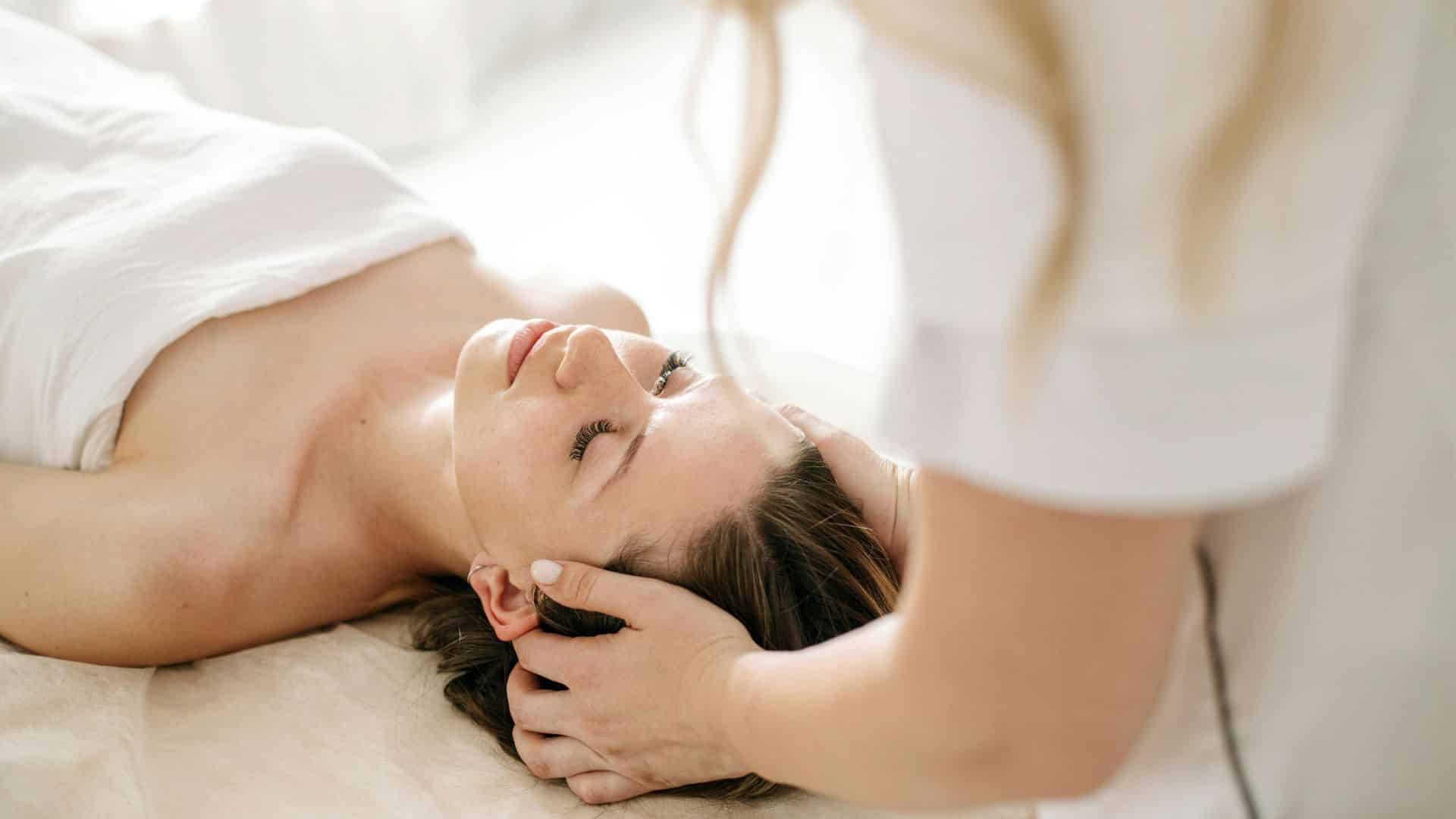
You don’t have to accept post-massage headaches as usual. These strategies help you avoid pain after your sessions.
- Hydrate Before and After Your Massage: Drink two glasses about an hour before your appointment. Right after your massage, drink at least two more glasses.
- Choose the Right Type of Massage: Not all massage techniques are the same. Some methods are more likely to cause headaches than others.
- Communicate with Your Therapist: Your massage therapist can’t read your mind. You need to speak up during your session.
- Adjust Your Posture During the Session: The way you position your body on the massage table matters. Poor positioning strains your neck and head, setting you up for pain later.
If a headache does show up despite your best efforts, here’s what you can do to feel better quickly.
What to Do If You Get a Headache After a Massage?
Already dealing with post-massage head pain? These steps help you feel better faster.
- Rest in a Quiet, Dark Room: Your nervous system needs to calm down. Find a quiet space with dim lighting. Close the curtains or blinds. Turn off overhead lights.
- Hydrate and Use a Cold Compress: Drink a full glass of water as soon as you notice the headache starting. A cold compress helps reduce inflammation and numbs the pain.
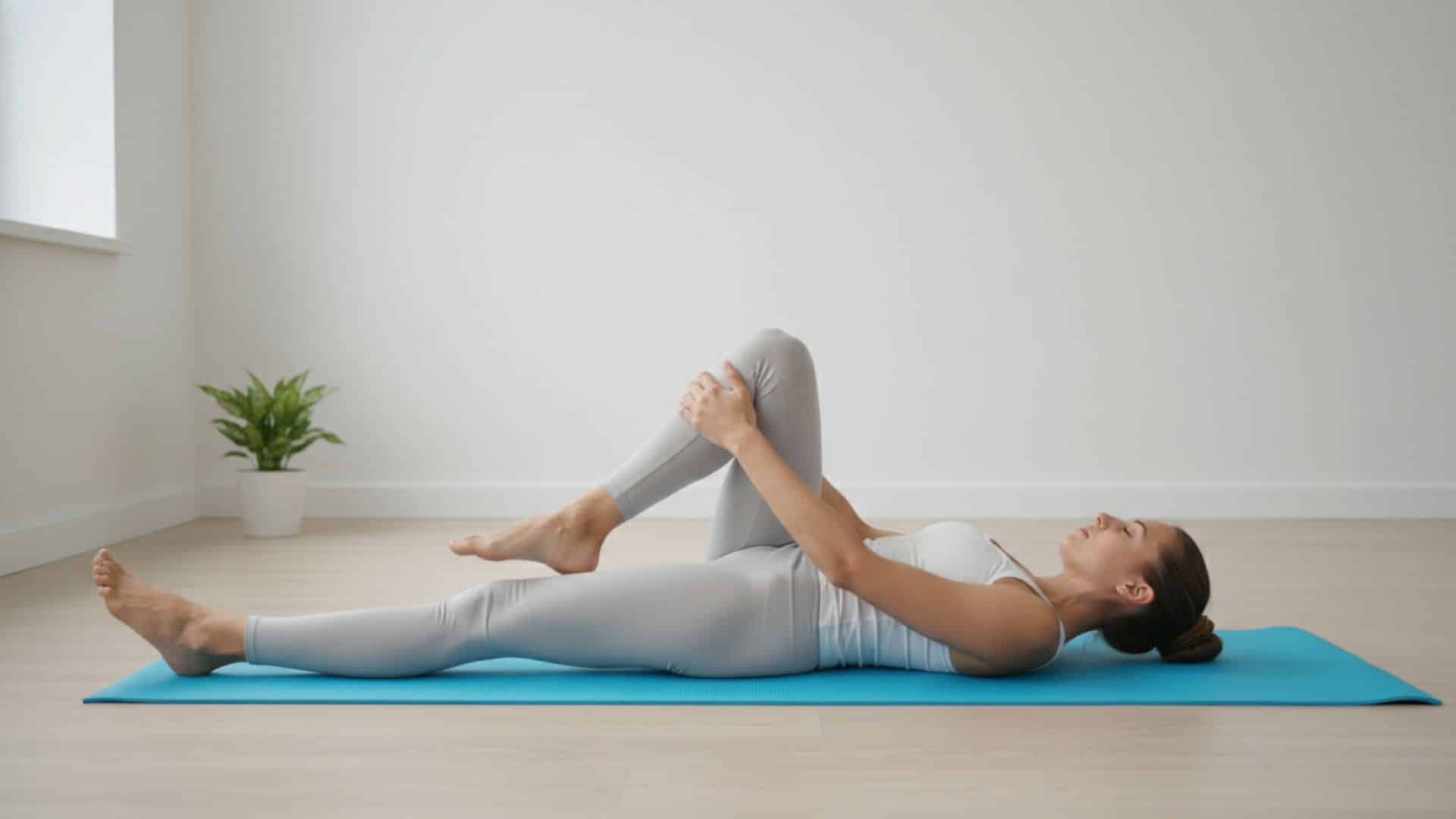
- Stretch and Gentle Neck Exercises: Light movement helps some headaches, especially tension-related ones. These stretches release residual tightness without straining your muscles.
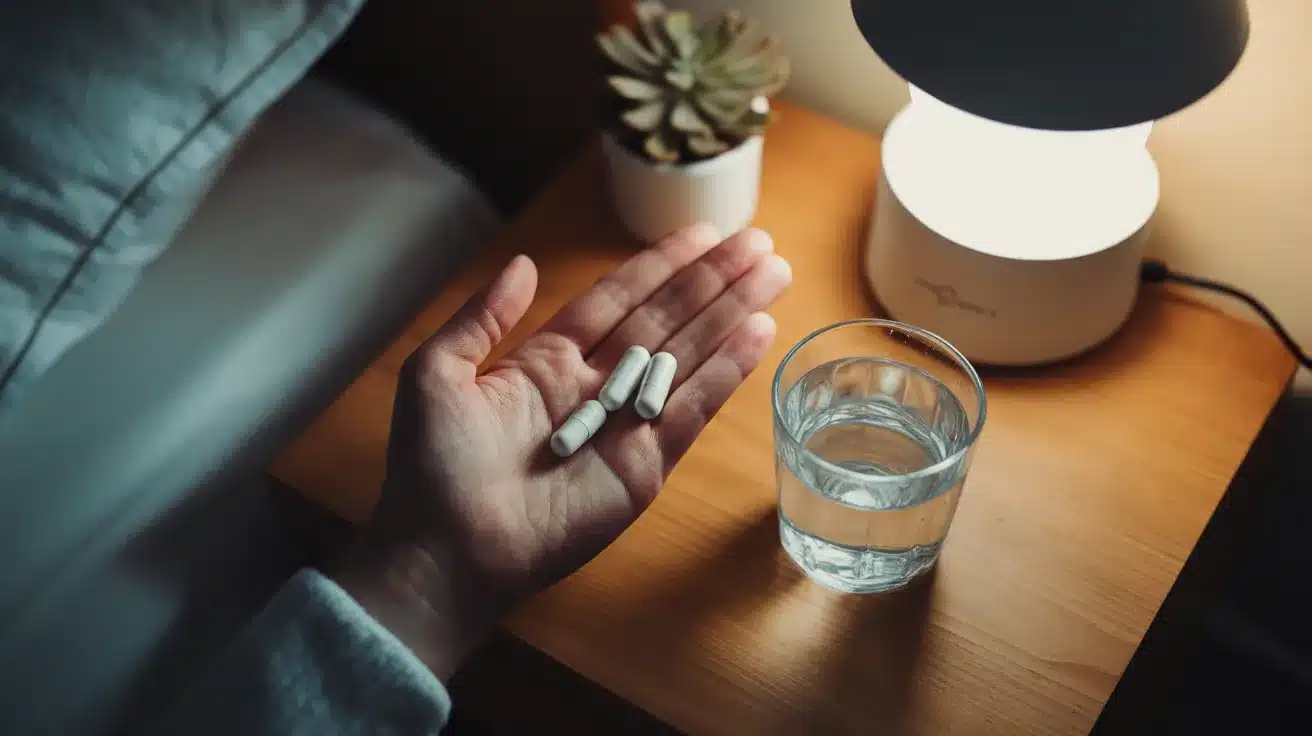
- Take Over-the-Counter Pain Relief if Necessary: Sometimes you need medication to manage the pain.
Most headaches resolve on their own, but here are the situations where professional care is essential.
When to Seek Medical Advice for a Headache After a Massage?
Most post-massage headaches resolve on their own. But some symptoms require professional attention.
Persistent or Severe Headaches
A headache that lasts more than 24 hours after your massage needs medical evaluation. Warning signs that need immediate attention:
- Sudden, severe headache (worst headache of your life)
- Headache with fever and stiff neck
- Weakness or numbness on one side of your body
- Loss of consciousness
Unusual Symptoms
Some symptoms accompanying your headache suggest something beyond typical post-massage effects. Contact a healthcare provider if you experience:
- Blurred vision or vision loss
- Persistent dizziness that doesn’t improve with rest
- Severe nausea or vomiting
- Difficulty walking or maintaining balance
- Extreme sensitivity to light that lasts more than a few hours
With the proper awareness and care, post-massage headaches don’t have to get in the way of a relaxing, restorative experience.
Conclusion
Headaches after a massage don’t have to be part of your routine. Most cases stem from dehydration, muscle tension release, or circulation changes, all of which are manageable with the right approach.
Choose massage techniques that match your sensitivity level, especially if you’re prone to migraines.
Pay attention to your body’s signals. Mild headaches that resolve within a few hours are regular. But persistent or severe pain needs medical evaluation.
With proper preparation and the right massage approach, you can experience the full benefits of bodywork without the headache. Your next massage should leave you feeling refreshed and pain-free, precisely as intended.