Have you ever wondered what sensual massage really means? Most people confuse it with erotic massage or assume it crosses into sexual territory. That’s not true.
Sensual massage is a legitimate wellness practice. It combines therapeutic touch with heightened body awareness to create deep relaxation and connection.
Clinical sexologist Cyndi Darnell explains that, unlike traditional massage focused on muscle tension, this practice calms while gently stimulating the senses through mindful touch.
In this guide, I’ll show you exactly what sensual massage involves, its real purpose, and what to expect during a session.
You’ll also learn how it differs from erotic, tantric, and regular massage, plus essential consent practices that keep every session safe and comfortable.
Also read: What Is a Nuru Massage and How Does It Work?
What Is A Sensual Massage?
A sensual massage is a therapeutic practice that uses mindful touch to awaken the senses and promote deep relaxation.
The experience centers on awareness, connection with your body, and the release of tension through gentle strokes and intentional contact.
Unlike clinical massage therapy, sensual massage focuses on pleasure and heightened body awareness rather than treating specific muscle problems.
The touch is slower, more intentional, and covers the entire body rather than targeting problem areas.
Sensual massage does not involve penetrative acts or services that cross into sexual territory. It remains a legitimate wellness practice grounded in therapeutic touch and consent.
Professional practitioners maintain clear boundaries between sensual relaxation and sexual services.
What is the Purpose of Sensual Massage?
The primary purpose of sensual massage is to achieve deep relaxation while releasing accumulated stress and tension from the body.
Research published in the International Journal of Neuroscience found that massage therapy decreases cortisol by an average of 31% while increasing serotonin by 28% and dopamine by 31%.
These are the body’s natural feel-good hormones that regulate mood, sleep, and emotional well-being.
For Individuals: The purpose often centers on self-awareness and stress relief. Many people carry tension without realizing it. Sensual massage helps identify where you hold stress and teaches your body to release it through pleasurable touch.
For Couples: Sex therapist Jenni Skyler, PhD, notes that sensual massage “removes the goal-oriented pressure that often accompanies intimate touch, allowing partners to simply be present with each other.” For couples, sensual massage deepens emotional connection through intentional touch. It helps partners communicate desires and build intimacy without performance pressure.
The primary purpose of sensual massage is to achieve deep relaxation while releasing accumulated stress and tension from the body.
Research shows that massage increases endorphin production while allowing muscles to relax, with dopamine and serotonin released during sessions, the body’s natural feel-good hormones.
For individuals, the purpose often centers on self-discovery and the release of inhibitions.
For couples, sensual massage deepens sexual and emotional connection through intentional touch, helping partners communicate desires and explore intimacy without performance pressure.
The purpose adapts to each person’s needs, stress relief, reconnection, healing, or simply experiencing pleasure.
Key Benefits of Sensual Massage
Sensual massage offers multiple benefits for physical and emotional well-being. Research supports many of these effects.
Physical Health Benefits
- Improved Blood Flow: Massage strokes push blood through congested areas, allowing fresh blood to flow in. This delivers oxygen and nutrients to tissues.
- Lower Cortisol Levels: Studies show that massage reduces the stress hormone cortisol. Lower cortisol means reduced anxiety and better immune function.
- Increased Oxytocin: Touch triggers oxytocin release, the hormone linked to bonding and affection. This creates feelings of warmth and connection.
- Reduced Inflammation: Research indicates regular massage can lower inflammatory markers in the body, potentially reducing the risk of certain health conditions.
Mental and Emotional Benefits
- Stress Relief: The combination of touch, warmth, and focused attention activates the parasympathetic nervous system, shifting the body from “fight or flight” to “rest and digest” mode.
- Mood Improvement: Increased serotonin and dopamine levels during massage help reduce symptoms of anxiety and depression.
- Better Sleep: The relaxation response triggered by massage often improves sleep quality.
Relationship Benefits
- Stronger Emotional Bonds: Couples who practice sensual massage report feeling more connected and understood by their partners.
- Improved Communication: The practice requires discussing preferences and boundaries, which builds communication skills that extend beyond the massage itself.
- Reduced Performance Pressure: Without goal-oriented expectations, partners can focus on giving and receiving pleasure without anxiety.
These benefits extend beyond temporary relaxation. Regular practice offers lasting improvements to mental clarity, physical health, and relationship quality.
How to Give a Sensual Massage: 8 Steps for Beginners
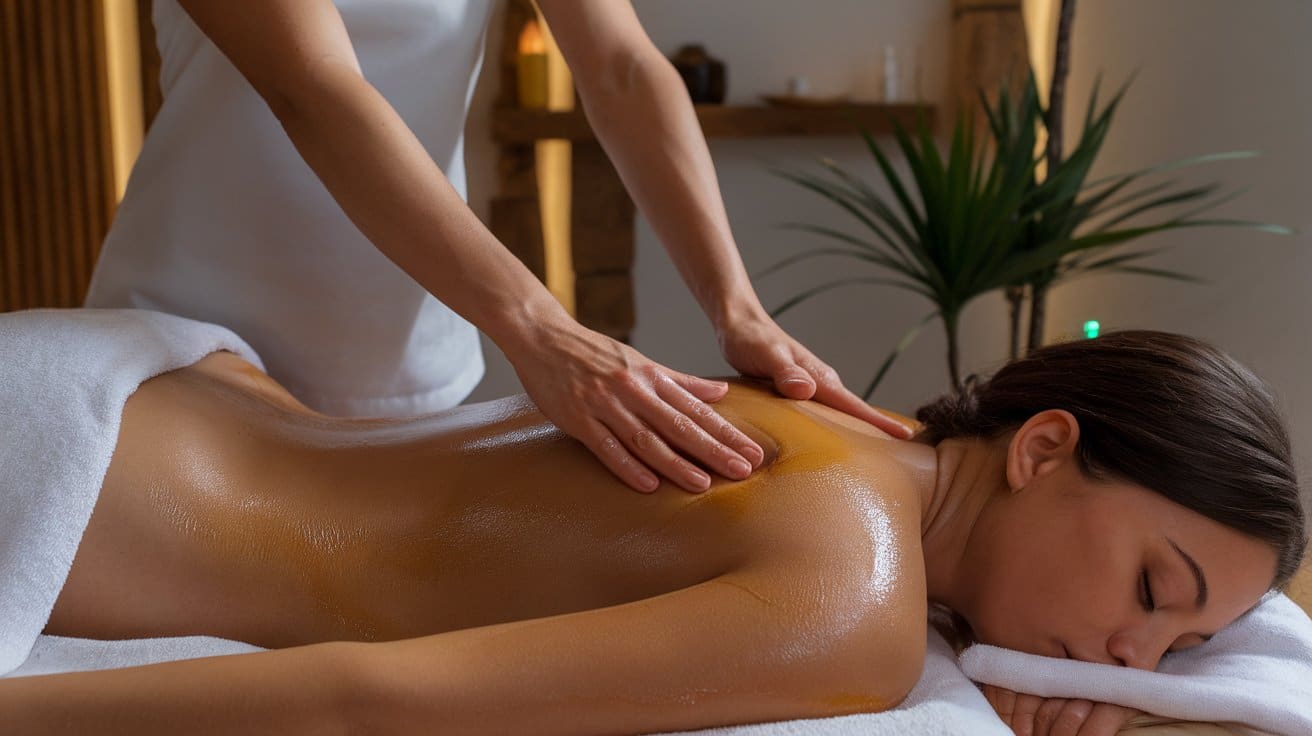
Understanding the practical steps helps you create a positive experience. Follow this guide to give a sensual massage that relaxes and connects.
Step 1: Set the Right Environment
Create a warm, comfortable space before you begin. Temperature matters; bodies cool down during massage, so set the room slightly warmer than usual.
Dim the lights or use candles for soft illumination. Harsh overhead lighting creates the wrong mood. Play soft instrumental music or keep the room silent based on your partner’s preference.
Remove distractions, silence phones, and ensure privacy.
Step 2: Gather Your Supplies
Have everything ready before you start. You’ll need:
- Massage oil: Coconut, sweet almond, or jojoba oil works well. Avoid oils with artificial fragrances that may irritate skin.
- Clean towels: For wiping excess oil and covering areas not being massaged.
- Comfortable surface: A bed with a firm mattress or a floor mat with padding.
- Pillows: For supporting the neck, ankles, or other areas.
Step 3: Discuss Boundaries Before Starting
Talk about comfort levels before any touch happens. This conversation sets the foundation for a positive experience.
Ask specific questions: Where does your partner want to focus? Are there areas to avoid? What pressure feels good? Agree on a word or signal to pause if something feels uncomfortable.
According to the American Massage Therapy Association, clear communication about boundaries before, during, and after sessions is the foundation of ethical massage practice.
Step 4: Start With Non-Sensitive Areas
Begin with the back, shoulders, and arms. These areas carry tension and respond well to massage without feeling too intimate too quickly.
Use slow, flowing strokes with your palms. Apply moderate pressure and gradually increase based on feedback. This builds trust and allows the body to relax before moving to more sensitive zones.
Spend 10-15 minutes on the back alone. Don’t rush this stage.
Step 5: Warm the Oil in Your Hands
Never apply cold oil directly to skin. This breaks the relaxation response and creates an unpleasant shock.
Pour oil into your palms and rub your hands together for 10-15 seconds. The friction warms the oil to a comfortable temperature. Reapply and rewarm as needed throughout the session.
Step 6: Vary Your Touch and Pressure
Predictable touch becomes boring. Keep your partner engaged by varying your approach.
Alternate between:
- Light feather touches with fingertips
- Firmer strokes with your palms
- Kneading movements with your thumbs
- Long gliding strokes with your forearms
Change rhythm every few minutes. Move from fast, energizing strokes to slow, calming ones. This variety maintains interest and prevents the mind from wandering.
Step 7: Pay Attention to Responses
Your partner’s body provides constant feedback. Watch for:
- Breathing changes: Deep sighs indicate relaxation. Holding breath may signal discomfort.
- Muscle tension: Muscles that tighten under your touch need lighter pressure or a different approach.
- Verbal cues: Moans, sighs, or words of encouragement guide your technique.
Ask occasionally: “How does this pressure feel?” or “Would you like more focus here?” Adjust based on the responses you receive.
Step 8: End Gradually, Not Abruptly
The transition out of massage matters as much as the massage itself. Don’t simply stop touching and walk away.
Slow your movements over the final 2-3 minutes. Reduce pressure gradually. Let your hands rest on your partner’s back for 30 seconds in stillness.
This signals the session is ending and prevents a jarring transition back to normal awareness.
Offer water and allow your partner time to return to full alertness before getting up.
What to Expect During a Sensual Massage Session
Knowing what happens during a session reduces anxiety and helps you relax fully.
Before the Session:
Professional sessions begin with a consultation. The practitioner asks about your goals, health conditions, and boundaries. This conversation typically lasts 5-10 minutes.
You’ll be shown to a private room with a massage table or a comfortable surface. The practitioner leaves while you undress to your comfort level and position yourself under a sheet or towel.
During the Session:
Sessions typically last 45 minutes to 2 hours, depending on your booking. The practitioner uses warmed oil and various touch techniques across your body.
Unlike ordinary massage, sensual massage focuses on specific muscle groups. It uses flowing strokes that cover large areas. The pace is slower and more intentional.
Hormones released during the session include oxytocin (the bonding hormone) and endorphins (natural pain relievers). These create feelings of warmth, connection, and well-being.
Normal Responses:
You may experience heightened body awareness, deep relaxation, emotional release, or physical arousal. All of these responses are normal and expected. A professional practitioner will not react negatively to natural physical responses.
Some people feel emotional during or after a massage. Tension held in the body can be released through tears, laughter, or other emotional expressions. This is healthy and welcomed.
After the Session:
Take time to reorient before standing up. Drink water to help flush released toxins. Many people feel deeply relaxed or slightly drowsy after a session. Plan accordingly and avoid scheduling demanding activities immediately afterward.
Sensual Massage vs Erotic Massage vs Other Massages
Many people confuse sensual massage with erotic or tantric practices. Others assume it’s similar to therapeutic massage. Understanding the differences helps you choose the right experience.
Regular Massage: Traditional massage therapy focuses on relieving muscle tension, pain, and promoting physical rehabilitation. This includes Swedish, deep tissue, and sports massage. The goals are clinical and therapeutic. Practitioners are licensed and work in medical or spa settings.
Sensual Massage: Sensual massage focuses on pleasure and body awareness without pressure toward sexual outcomes. Touch is gentle and flowing. The environment includes mood elements like soft lighting and music. Boundaries are intimate but not explicitly sexual.
Erotic Massage: Erotic massage focuses directly on sexual arousal and pleasure through stimulation of erogenous zones. The primary goal is heightened arousal, often leading to orgasm. Legal status varies significantly by location.
Tantric Massage: An ancient spiritual practice that incorporates breathwork, meditation, and energy work. Sessions are typically longer (2-4 hours) and aim for spiritual connection rather than physical release. Practitioners receive specialized training in tantra traditions.
Understanding these distinctions helps you choose the right experience for your needs and set appropriate expectations.
| Aspect | Sensual Massage | Regular Massage | Erotic Massage | Tantric Massage |
|---|---|---|---|---|
| Primary Goal | Pleasure and body awareness | Muscle tension relief | Sexual arousal | Spiritual connection |
| Typical Duration | 45 min – 2 hours | 30-90 minutes | 1-2 hours | 2-4 hours |
| Touch Style | Light to medium, flowing | Firm, targeted | Direct stimulation | Slow, energy-focused |
| Clothing | Typically undressed | Partially clothed | Undressed | Varies |
| Professional Setting | Wellness spas, private practice | Medical offices, spas | Adult venues (where legal) | Tantra studios |
| Training Required | Massage certification + intimacy training | Licensed massage therapy | Varies by location | Specialized tantra training |
| Best For | Couples, stress relief, intimacy | Pain relief, injury recovery | Sexual pleasure | Spiritual growth |
When choosing between these options, consider your goals. Seeking stress relief and connection? Sensual massage fits well.
Need treatment for back pain? Choose regular massage therapy. Interested in spiritual practices? Explore tantric options with qualified practitioners.
Consent, Boundaries, and Safety in Sensual Massage
Consent and boundaries form the foundation of any positive sensual massage experience. Without clear communication, even well-intentioned sessions can become uncomfortable.
What Informed Consent Means
Informed consent means understanding exactly what the session involves before it begins. This isn’t a simple “yes” or “no”: it requires a detailed conversation about expectations, limits, and preferences.
At the start, a professional practitioner asks about your purpose for the massage. They learn your boundaries, how you want to be touched, and where you want to be touched. Nothing should come as a surprise during the session.
Why Boundaries Matter
Boundaries protect both the recipient and practitioner. They create a safe space for vulnerable, intimate touch.
Setting boundaries helps you relax fully. When you know your limits will be respected, you can let go of vigilance and receive pleasure without anxiety.
Clear boundaries also help the practitioner give you a better experience because they know exactly how to touch you.
How to Communicate Consent
Consent must be verbal, ongoing, and enthusiastic; not inferred from silence or body language.
Before the session begins, discuss explicitly what you’re comfortable with. Use clear language: “I’d like you to focus on my back and legs” or “Please avoid my feet; I’m ticklish there.“
Communication should continue throughout. You always have permission to speak up if something feels uncomfortable or if you want to change focus.
Phrases like “lighter pressure please” or “that area feels too sensitive right now” are helpful and welcomed.
Red Flags to Watch For
Always work with qualified, reputable practitioners. Verify their training and read reviews from previous clients.
Warning signs include:
- Refusing to discuss boundaries before the session
- Pressuring you into services you didn’t request
- Becoming defensive when you set limits
- Making you feel guilty about saying no
- Touching areas you explicitly said were off-limits
- Dismissing your feedback during the session
Trust your instincts. If something feels wrong, you can stop the session at any time. A professional practitioner will respect your decision without question.
Conclusion
Sensual massage offers real benefits: lower stress, stronger emotional bonds, and improved body awareness. It’s not the same as erotic massage and doesn’t require crossing into sexual territory when practiced with clear boundaries.
The key elements are simple: a comfortable setting, quality massage oil, open communication, and mindful touch. Start with shorter sessions and build your technique over time.
Have you tried a sensual massage with your partner? What worked best for you? Share your experience in the comments below.
Next Steps: Browse our “Why Drink Water After Massage for Better Recovery?” article.
Frequently Asked Questions
What Should I Wear to A Sensual Massage?
Nude is fine and the most common state of dress for massages. Boxers are fine, too, unless you need them to focus on your butt muscles specifically.
What Should You Avoid During a Sensual Massage?
Don’t get sexually excited; it’s inappropriate. Keep it professional. If you feel yourself getting excited, think about something that will take that feeling away.
What Are the Risks of Sensual Massage?
In cases of sensual massage, such as nuru, where genitals may come into contact with each other, a person may be at risk of these infections.