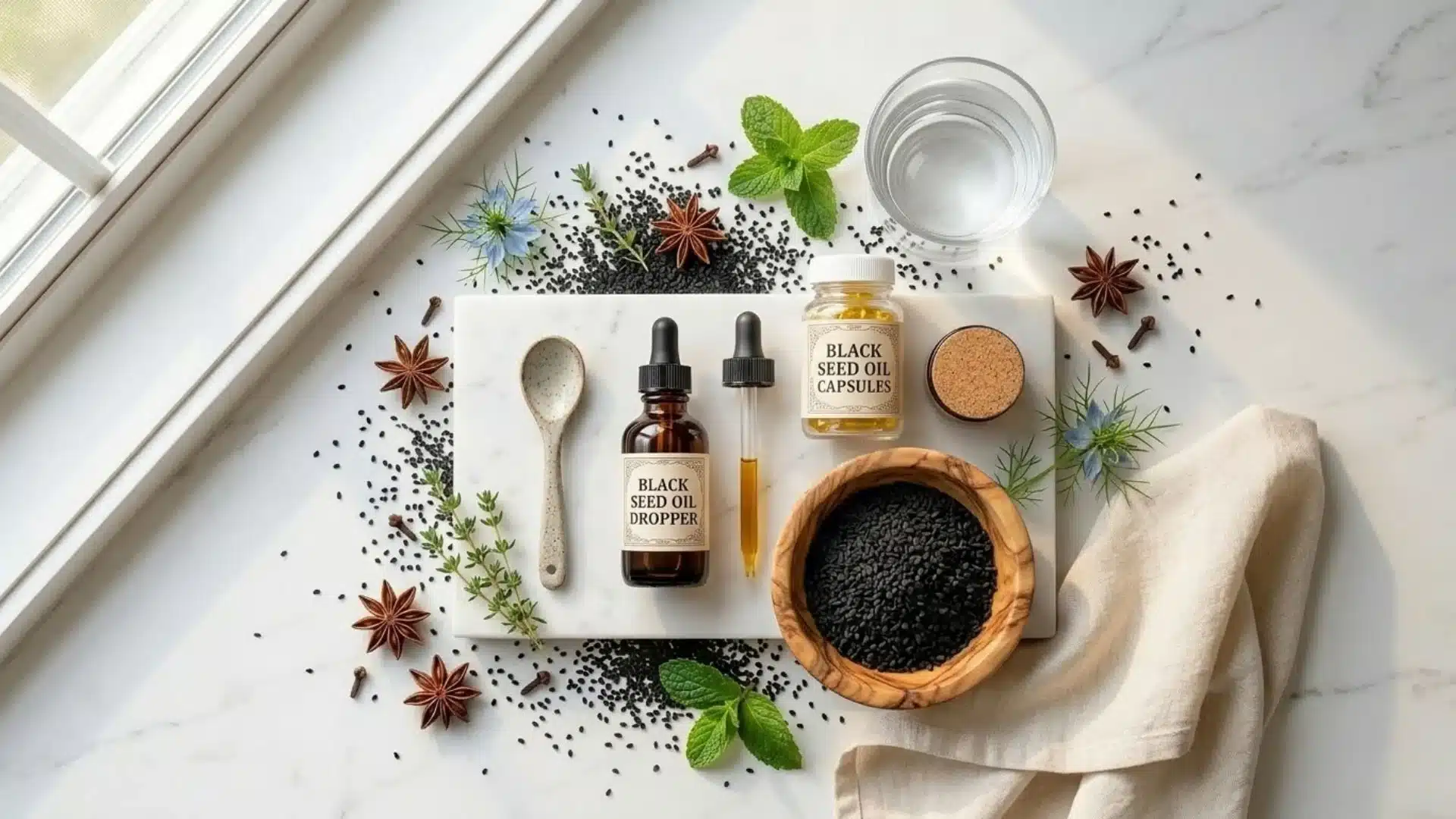
For over 2,000 years, black seed oil, extracted from the Nigella sativa plant, has been revered across Middle Eastern, South Asian, and Islamic medicinal traditions.
Often called “the cure for everything except death,” this ancient oil is finally earning serious scientific validation.
Modern research confirms what traditional healers have long understood: black seed oil offers a remarkable range of health benefits.
Whether you want to strengthen your immunity, manage inflammation, or improve your skin and hair health, this guide covers the top evidence-backed benefits, practical usage tips, and essential safety precautions you need to make a confident, informed decision.
What is Black Seed Oil?
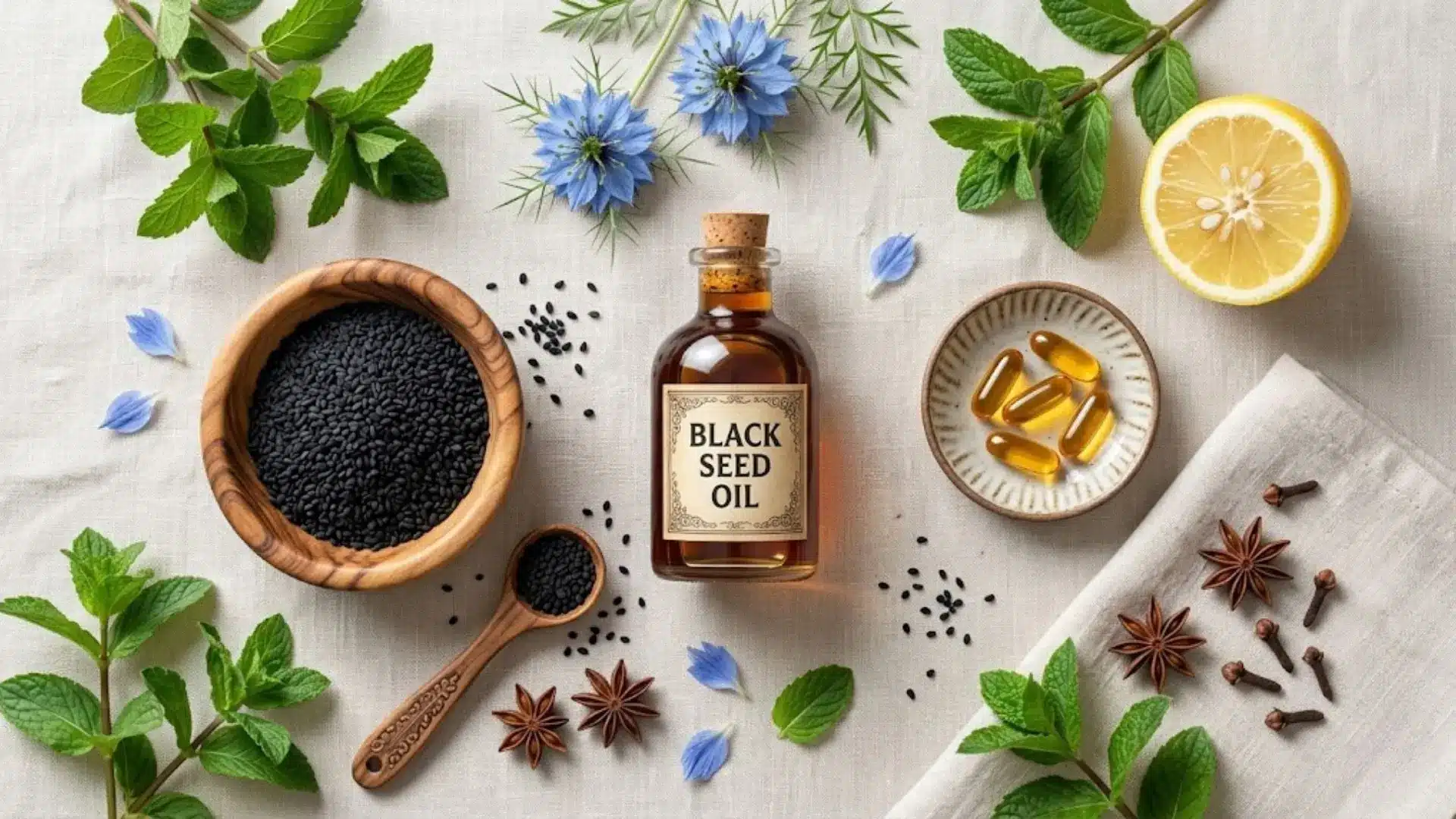
Black seed oil is a potent, centuries-old natural oil, cold-pressed from Nigella sativa seeds. It is packed with a powerful antioxidant compound called thymoquinone, which drives most of its health benefits.
It is available in liquid, capsule, and topical forms, with deep roots in Ayurvedic, Egyptian, and Islamic medicine.
Cold-pressed extraction preserves the highest TQ concentration, making it the most therapeutically effective option you can choose.
Now that you know what makes this oil so special, let us get into the benefits that have both ancient healers and modern researchers genuinely excited.
Top 8 Black Seed Oil Benefits
If you have ever wondered whether black seed oil lives up to its legendary reputation, the science below might surprise you.
Each benefit here is backed by research, not just tradition.
1. Strengthens Immune Function
Think of thymoquinone as a natural coach for your immune system. It works as an immunomodulator, enhancing the body’s defense response at a cellular level.
Research published in the Journal of Ethnopharmacology found that Nigella sativa significantly stimulates immune cell activity, making it especially valuable during cold and flu season or periods of physical stress.
2. Reduces Chronic Inflammation
If joint pain, stiffness, or inflammatory conditions are part of your daily life, this one is worth paying attention to.
TQ inhibits key inflammatory enzymes, including COX-2, a mechanism comparable to that of NSAIDs, but without synthetic chemicals. This makes black seed oil a genuinely useful natural option alongside conventional care.
3. Supports Respiratory Health
A 2017 clinical trial demonstrated measurable improvements in airway inflammation and lung function among asthma patients who supplemented with Nigella sativa for three consecutive months.
Naturopathic practitioners often recommend it as a complementary tool for managing mild-to-moderate respiratory discomfort, so if breathing issues affect your quality of life, this benefit is particularly relevant.
4. Helps Regulate Blood Sugar
Managing blood sugar is a daily challenge for millions of people, and black seed oil may offer meaningful support here.
Multiple studies involving Type 2 diabetic patients show that it can improve insulin sensitivity and reduce fasting blood glucose levels.
Medical nutritionist Dr. Sarah Brewer notes that while results are promising, it should always complement, not replace, a prescribed diabetes management plan.
5. Promotes Heart Health
Your heart works hard every single day, and black seed oil may help protect it.
A review published in Complementary Therapies in Medicine linked regular use to reduced LDL cholesterol, lower blood pressure, and decreased triglyceride levels.
These effects are most pronounced when the oil is part of an overall heart-healthy diet.
6. Improves Skin Health
You do not have to spend a fortune on skincare when nature has already done a lot of the work.
Black seed oil’s antimicrobial and anti-inflammatory profile makes it effective against acne, eczema, and psoriasis flare-ups.
Board-certified dermatologists point to its high linoleic acid content as the reason it helps restore the skin’s natural moisture barrier, particularly for dry or sensitive skin types when applied topically in diluted form.
7. Supports Hair Growth and Scalp Health
If thinning hair or scalp irritation has been frustrating you, black seed oil is worth adding to your routine.
Research on androgenetic alopecia shows it can reduce hair loss and strengthen follicles.
Its fatty acids nourish the scalp, calm inflammation at the root level, and improve overall hair texture with consistent, long-term use.
8. Exhibits Powerful Antimicrobial Properties
Laboratory studies confirm thymoquinone’s effectiveness against drug-resistant bacteria, including MRSA strains.
While it is not a replacement for prescribed antibiotics, black seed oil serves as a meaningful supportive agent that bolsters your body’s natural defenses against select bacterial and fungal threats.
How to Use Black Seed Oil
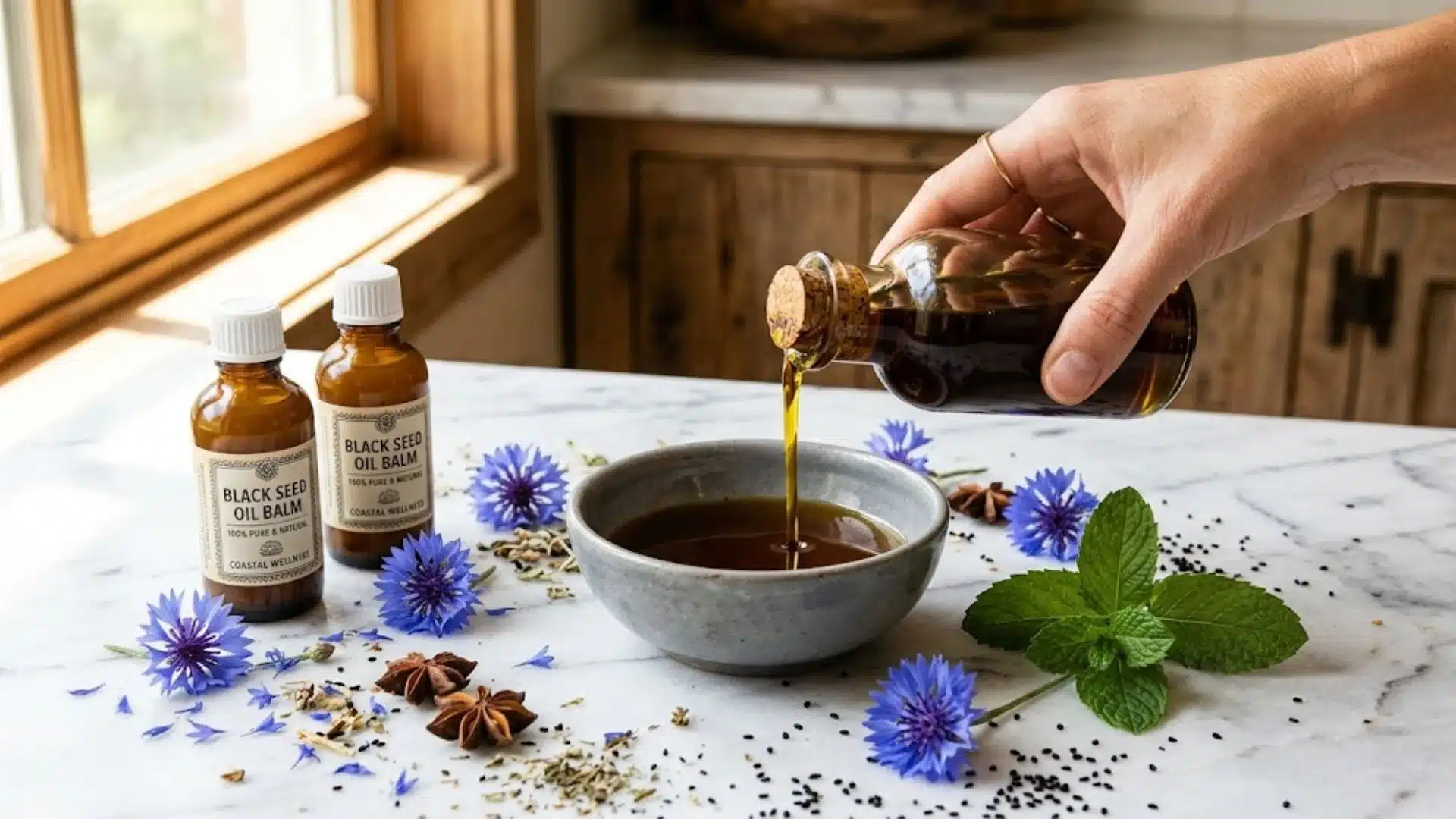
Using black seed oil the right way makes a real difference in its effectiveness.
Here is a simple breakdown to help you get started:
| Method | Recommendation |
|---|---|
| Oral (oil) | 1 to 2 tsp daily on an empty stomach |
| Capsules | Follow the label dosage for standardized TQ content |
| Topical | Dilute 1 part oil with 3 parts carrier oil before skin or scalp use |
| Cooking | Use as a cold finishing drizzle since high heat degrades TQ |
One thing to keep in mind: give it time. Consistent use over 4 to 8 weeks is typically required before you notice meaningful results across most health applications. Patience here genuinely pays off.
Side Effects and Safety Precautions
Black seed oil is well-tolerated by most healthy adults, but being informed before you begin is always the smarter choice. Here is what to watch for.
- Start with small doses to avoid digestive discomfort and increase gradually over time.
- It can lower blood pressure and blood sugar, so consult your doctor if you are on related medications.
- Pregnant women should avoid therapeutic doses due to its potential uterine-stimulating effect.s
- Always perform a patch test before topical use to rule out any skin sensitivity.ty.
Worth noting: not every black seed oil product on the market is created equal, and choosing the right one is just as important as how you use it.
How to Choose a Quality Black Seed Oil
Walking into a health store or browsing online can feel overwhelming with so many options available. Here is what actually matters when making your choice.
- Choose cold-pressed, unrefined oil to ensure maximum thymoquinone potency
- Opt for Ethiopian or Egyptian origin, widely regarded as superior in active compound concentration
- Check the label for a TQ percentage, with 0.5 to 1.5 percent being a solid minimum
- Look for third-party tested and certified organic products for added reliability
- Avoid any oil with fillers, artificial additives, or vague sourcing information
Conclusion
Black seed oil stands out as one of the few natural remedies supported by both centuries of traditional wisdom and a growing body of peer-reviewed research.
Its benefits span immunity, inflammation, cardiovascular health, blood sugar regulation, and even skin and hair.
The foundation of getting results lies in selecting a high-quality, cold-pressed product and committing to consistent daily use at an appropriate dosage.
That said, it is a wellness complement and not a cure, and it works best within a broader, holistic health approach.
Before starting any new supplement regimen, always seek guidance from a qualified healthcare professional to ensure it is safe and aligns with your unique health profile.
Frequently Asked Questions
What Happens when You Take Black Seed Oil Every Day?
While generally safe for short-term use (up to 3 months), daily use may cause mild digestive issues such as bloating or nausea.
Who Should Not Take Black Seed Oil?
Black seed oil should be avoided or used with caution by pregnant/breastfeeding individuals, those with bleeding disorders, people taking blood thinners, and those with low blood pressure or blood sugar.
Can Black Seed Oil and Ashwagandha Be Taken Together?
Yes, you can generally take ashwagandha and black seed oil together, as they are often combined in supplements for potential synergistic benefits.
How Long Does It Take for Black Seed Oil to Start Working in Your Body?
Black seed oil generally takes 4 to 12 weeks of consistent daily use to produce noticeable health benefits, such as improved cholesterol and reduced blood pressure.
Will Black Seed Oil Get Rid of Parasites?
Yes, black seed oil (Nigella sativa) shows potential for killing parasites, including worms and protozoa.