Tantric massage combines slow, mindful touch with breathwork to deepen intimacy and release stored tension.
Rooted in ancient Tantric philosophy from India, this practice aims to connect mind, body, and spirit through intentional ork.
Unlike typical massage or foreplay, tantric massage is complete on its own. It focuses on energy flow, presence, and full-body awareness rather than sexual climax.
Sessions typically last 60-90 minutes and involve the entire body, including intimate areas when appropriate.
This guide covers the fundamentals of tantric massage, including step-by-step techniques for couples practicing at home, the science behind its benefits, and how to avoid common mistakes.
Whether exploring with a partner or considering professional sessions, you’ll gain practical, evidence-based guidance.
What Is Tantric Massage?
Tantric massage is a form of ork rooted in ancient tantric practices that originated from India’s Tantric spiritual tradition.
According to “Tantra: The Path of Ecstasy” by Georg Feuerstein, Tantra focuses on expanding consciousness and deepening self-awareness through various practices, including breathwork, meditation, and conscious touch.
In massage form, it uses slow, intentional touch combined with breathing techniques. The goal goes beyond muscle relaxation; it aims to release blocked energy and create full-body awareness.
Many people seek tantric massage for stress relief, improved intimacy, or enhanced body awareness.
Unlike quick relaxation sessions, tantric massage often takes 60 to 90 minutes, allowing the body to respond naturally without rushing.
Energy Flow and Chakras in Tantric Massage
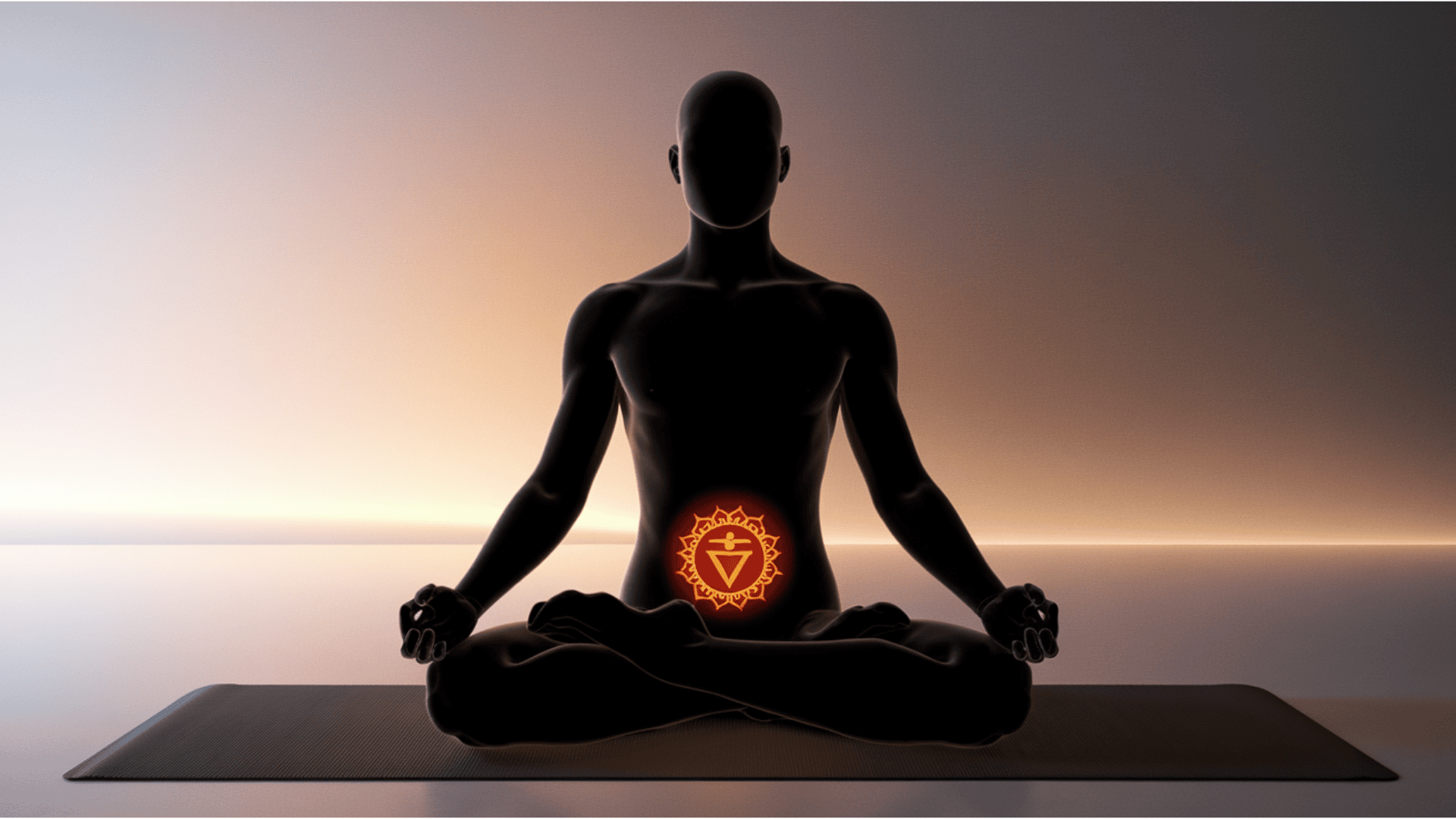
Tantric massage works with your body’s energy system through seven main energy centers called chakras, which run along your spine from the base to the crown.
Each governs different aspects of physical and emotional well-being.
Sexual energy typically concentrates in the sacral chakra located in the lower belly.
As explained in “Sexual Secrets: The Alchemy of Ecstasy” by Nik Douglas and Penny Slinger, tantric massage uses slow touch and breathwork to spread this energy throughout your entire body, creating full-body sensations rather than localized arousal.
When energy flows freely through these centers, practitioners report feeling more balanced physically and emotionally.
Tantric Massage vs. Foreplay vs. Tantric Sex
These three practices overlap but serve different purposes. Understanding the distinctions helps you approach each correctly.
Foreplay is sexual activity that precedes intercourse, including kissing, touching, and oral stimulation designed to build arousal for penetration.
Tantric Sex is a slow, mindful approach to sexual intercourse that emphasizes presence, breath synchronization, and energy exchange between partners during penetration.
Tantric Massage is a full-body practice that combines slow, intentional touch with breathwork and mindful awareness and can be practiced on its own.
| Aspect | Tantric Massage | Foreplay | Tantric Sex |
|---|---|---|---|
| Primary Goal | Awareness and connection | Build arousal for sex | Conscious intimacy during intercourse |
| Leads To | Nothing – complete on its own | Penetrative sex | Orgasm |
| Duration | 60-90 minutes | 10-30 minutes | 30-60+ minutes |
| Touch Focus | Full body equally | Erogenous zones primarily | Genital and full body |
| Orgasm | May happen, not the goal | Avoided until intercourse | Welcomed but not rushed |
| Mindset | Meditative, present | Goal-oriented, building | Present but engaged |
| Roles | One gives, one receives | Both actively participate | Both actively participate |
Foreplay has a destination—you’re building toward penetration. Tantric massage is the destination itself.
Benefits of Tantric Massage
1. Physical Relaxation and Stress Reduction
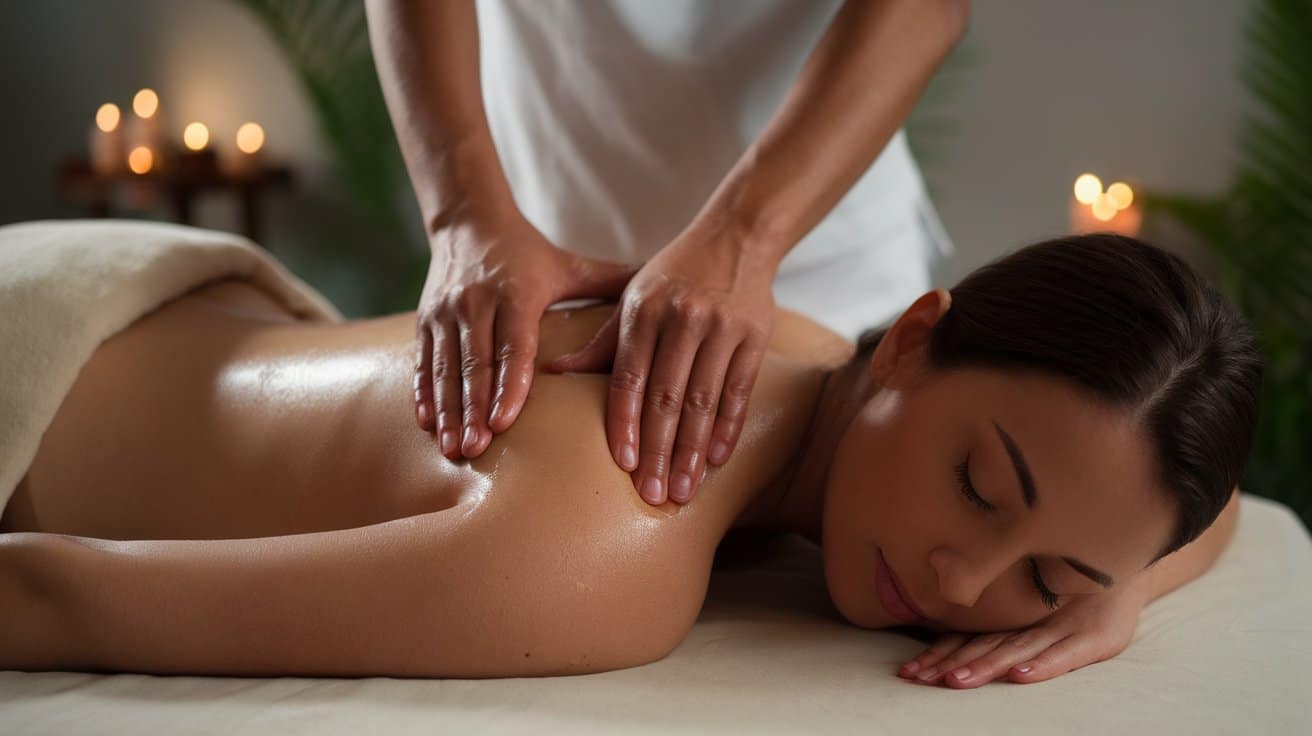
Tantric massage activates the parasympathetic nervous system, shifting your body into a restorative state.
A 2014 review published in Complementary Therapies in Clinical Practice by Tiffany Field found that massage therapy significantly reduces cortisol levels and muscle tension.
Research by Mark Rapaport published in the Journal of Alternative and Complementary Medicine (2012) showed that repeated massage sessions support immune function and hormonal balance. Most people feel noticeably calmer and looser within the first session.
2. Enhanced Intimacy and Relationship Connection
Couples who practice tantric massage together report deeper connection and improved communication. Touch becomes more intentional and present, helping partners discover new ways to connect physically beyond typical intimacy patterns.
According to “The Art of Sexual Ecstasy” by Margot Anand, the practice builds trust between partners by creating a safe space for vulnerability. Sessions also address mismatched desire levels, allowing partners to meet each other where they are.
3. Emotional Release and Trauma Processing
Your body stores stress and trauma physically. A 2005 study by Cynthia Price, published in Alternative Therapies in Health and Medicine, found that body-oriented therapy, including massage, can support recovery from trauma by releasing stored emotions as muscles relax through safe touch.
While emotional releases during massage are healthy, tantric massage isn’t trauma therapy. The American Massage Therapy Association (2019) recommends that sexual trauma survivors work with licensed therapists alongside any ork practice.
4. Improved Sleep Quality
The deep relaxation induced by tantric massage carries over into better sleep patterns, as the practice reduces stress hormones that interfere with rest.
5. Enhanced Sexual Satisfaction
By focusing on full-body pleasure rather than goal-oriented touch, tantric massage helps people discover new erogenous zones and expand their capacity for sensation.
6. Increased Body Confidence
Regular practice helps people develop more positive relationships with their bodies through non-judgmental, pleasure-focused touch.
How to Practice Tantric Massage at Home (Couples Guide)
Practicing tantric massage at home deepens intimacy without needing a professional. Both partners participate by taking turns giving and receiving.
Before You Begin
Discuss boundaries, intentions, and comfort zones. Agree, this won’t lead to penetrative sex immediately after.
Decide who receives first and establish a safe word or signal to pause at any time.
Set aside 90 uninterrupted minutes, as Kenneth Ray Stubbs notes in “The Essential Tantra,” that shorter sessions don’t allow adequate time for the nervous system to shift states.
Set Up Your Space
Clear your space and set the temperature to 75-78°F: the Associated ork & Massage Professionals (ABMP) recommends this range for comfort during massage.
Dim lights or use candles, and create a 90-minute playlist of soft instrumental music.
Prepare your bed or floor with clean towels. Warm coconut, almond, or jojoba oil in a bowl.
Research published in the Journal of Traditional and Complementary Medicine (2019) found that coconut oil has anti-inflammatory and skin-protective properties ideal for massage. Keep water, extra towels, and blankets nearby.
Turn phones off completely and lock the door.
Begin with a Ritual
Sit facing each other and hold hands. Practice synchronized breathing: Place one hand on your partner’s chest, inhale together for 4 counts, exhale for 6 counts. Repeat 5 times. This grounds you both in the present moment.
State your intention: “I’m here to connect with you.”
The Session Flow
Connection (10 min): Receiver lies face down. The giver places hands on their back and breathes together for several minutes without movement.
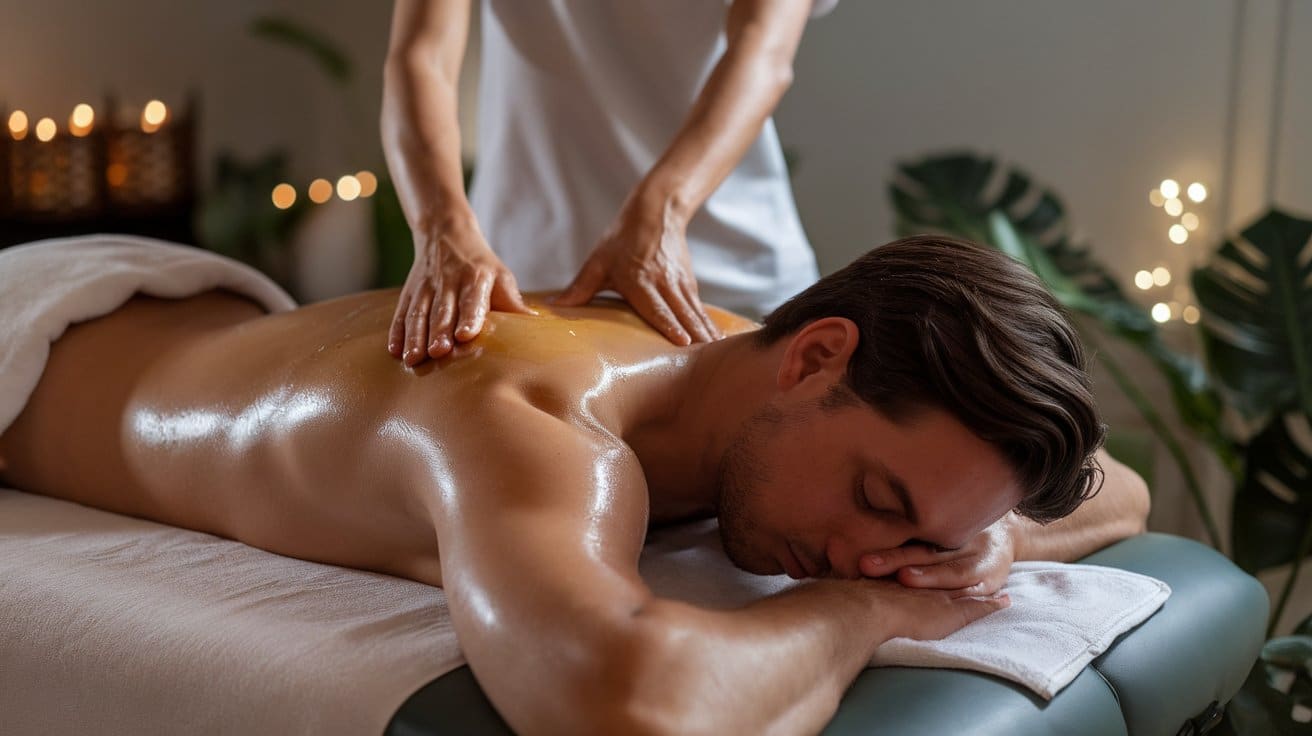
Back Body (25 min): Start at the feet, then massage legs, glutes, back, shoulders, and arms. Use long, flowing strokes with warm oil. Press firmly on muscles, lightly over bones. Vary between effleurage (gliding strokes), circular motions with thumbs, and gentle kneading.
Front Body (20 min): Receiver turns over. Massage the head, face, chest, belly, arms, and legs. Move slowly and check in verbally once: “How does this feel?” or “Would you like more pressure here?”
Intimate Areas (Optional, 15 min): With explicit consent, massage genital areas slowly and mindfully.
For Women (Yoni Massage):
- Circle the clitoris using varied pressure and speed
- Use push-and-pull motions along the clitoral shaft
- Gentle tugging and rolling of the outer lips
- For internal massage, use curved fingers to locate the G-spot (a slightly ridged area 1-2 inches inside the upper vaginal wall) and use a “come hither” motion
For Men (Lingam Massage):
- Full-hand upward strokes from base to tip
- Two-handed rolling motions with alternating pressure
- Slide-and-pull techniques varying from light to firm
- Gentle pressure on the perineum (area between scrotum and anus)
- Light feathering touches alternating with firmer strokes
Remember: orgasm isn’t the goal. If it happens, continue massaging gently afterward.
Closing (10 min): Gradually lighten your touch. Cover the receiver with a blanket and sit quietly together for 5 minutes.
After the Massage
Don’t rush to talk or move. Offer water and wait at least 30 minutes before any sexual activity. This separation keeps tantric massage distinct from foreplay.
Discuss what you both experienced when ready. Schedule your next session for consistency.
Common Mistakes and How to Avoid Them
1. Rushing the Process
Tantric massage needs time. Research on neo-tantric practices published in the International Journal of Transpersonal Studies (2012) shows sessions under 60 minutes provide minimal therapeutic benefit. If time is limited, do a shorter complete session rather than rushing a long one.
2. Treating It as Foreplay
Don’t transition immediately to sex. Wait 30+ minutes after to remove goal orientation, allowing both partners to relax fully.
3. Talking Too Much
Excessive conversation breaks the meditative state. Check in once or twice verbally; otherwise, communicate through touch and sounds.
4. Using Cold Oil
Always warm oil between your palms or in hot water first. Cold oil shocks the body and breaks relaxation.
5. Focusing Only on Genitals
Tantric massage is full-body. Spending too much time on intimate areas creates goal orientation. Spread attention equally across all body parts.
6. Poor Giver Positioning
Protect your back and knees. Use cushions for support and adjust position frequently. A strained giver can’t provide quality touch.
7. Overthinking as Receiver
Your job is to feel, not analyze. When thoughts arise, return attention to physical sensation.
Conclusion
Tantric massage offers genuine benefits for stress relief, intimacy, and emotional well-being when practiced with proper technique and intention. Research supports its physiological effects on stress hormones, muscle tension, and nervous system regulation.
For couples, home practice deepens connection and trust through structured, mindful touch. Understanding energy principles, proper techniques, and safety protocols helps you approach this practice confidently.
Remember that tantric massage is complete on its own, not foreplay. Consent and clear communication are essential, not optional.
Start slowly with the basics. Honor your comfort level and give yourself time to learn. Whether practicing at home or seeking professional guidance, approach tantric massage as a journey of discovery rather than a destination. Your relationship and well-being deserve this investment.
Frequently Asked Questions
Is It Normal to Release During a Massage?
Yes, physical and emotional releases like crying, shaking, or erections are completely normal during massage as tension leaves the body.
What Clothing Is Worn During Tantric Massage?
Clients typically wear loose, comfortable clothing like yoga pants or soft shirts, though home sessions may involve nudity with consent.
How Do You Prepare for A Tantric Massage?
Practice deep breathing and relaxation techniques beforehand. Create a comfortable, warm space free from distractions and set clear intentions.
Which Massages Include Private Parts?
Tantric massage may include genital touch when consensual. Legitimate therapeutic massage never includes genitals without explicit, informed consent.
Can a Massage Therapist Touch Your Groin as a Male?
Professional massage therapists should never touch genitals without explicit consent. Upper inner thigh work requires clear communication and draping.