Do your sides feel tight after sitting all day?
Your body bends forward and backward dozens of times daily, but lateral movement gets ignored. This creates tightness in your ribs, waist, and lower back.
A side stretch targets the muscles along your ribs, waist, and back that are often overlooked.
This simple movement improves breathing, releases tension, and keeps your spine flexible. From quick desk breaks to full yoga practices, side stretches fit any routine.
This guide covers proper form, variations from beginner to advanced, and a 5-minute daily routine. Learn which muscles you’re stretching and how to avoid common mistakes.
What is a Side Stretch?
A side stretch is a movement that bends your spine to the side. This motion is called lateral flexion. When you lean to the left or right, you’re stretching the entire side of your body. Muscles involved in side stretching:
- Obliques: muscles on the sides of your abdomen
- Quadratus Lumborum (QL): deep lower back muscle
- Intercostals: muscles between your ribs
- Latissimus dorsi (lats): large back muscles
- Waist muscles: surrounding your midsection
- Rib cage muscles: help with breathing and movement
Side stretches matter because they improve how your spine moves. Regular side stretching helps maintain spinal health. It also improves your posture and breathing. It releases tension that builds up from sitting for long periods.
Now that we’ve seen what a side stretch is, let’s take a look at the numerous benefits it offers for both the body and mind.
Benefits of Doing Side Stretches
Side stretches offer more than just a simple stretch; they provide a range of benefits that can improve your overall flexibility, posture, and even mental clarity.
1. Improves Lateral Flexibility & Spinal Mobility: Side stretches keep your spine flexible in all directions. They prevent stiffness in the sides of your torso. Better lateral flexibility means more effortless movement.
2. Releases Tightness in Waist, Ribs, Back & Hips: Side stretches target all areas at once. They lengthen tight tissues along your entire side. Regular practice reduces chronic tightness and discomfort.
3. Enhances Breathing Through Rib Expansion: Side stretches open up the spaces between ribs. They allow your rib cage to move freely. Better rib mobility means deeper, fuller breaths.
4. Counteracts Long Hours of Sitting & Slouching: Sitting compresses one side of your body. Side stretches reverse this compression. They lengthen what sitting has shortened.
5. Supports Core Balance & Side-Body Strength: Side stretches activate and strengthen these muscles, improving coordination between the left and right sides.
With a precise knowledge of the benefits, let’s see how to perform a basic side stretch properly.
How to Do a Basic Side Stretch: Step-by-Step Process
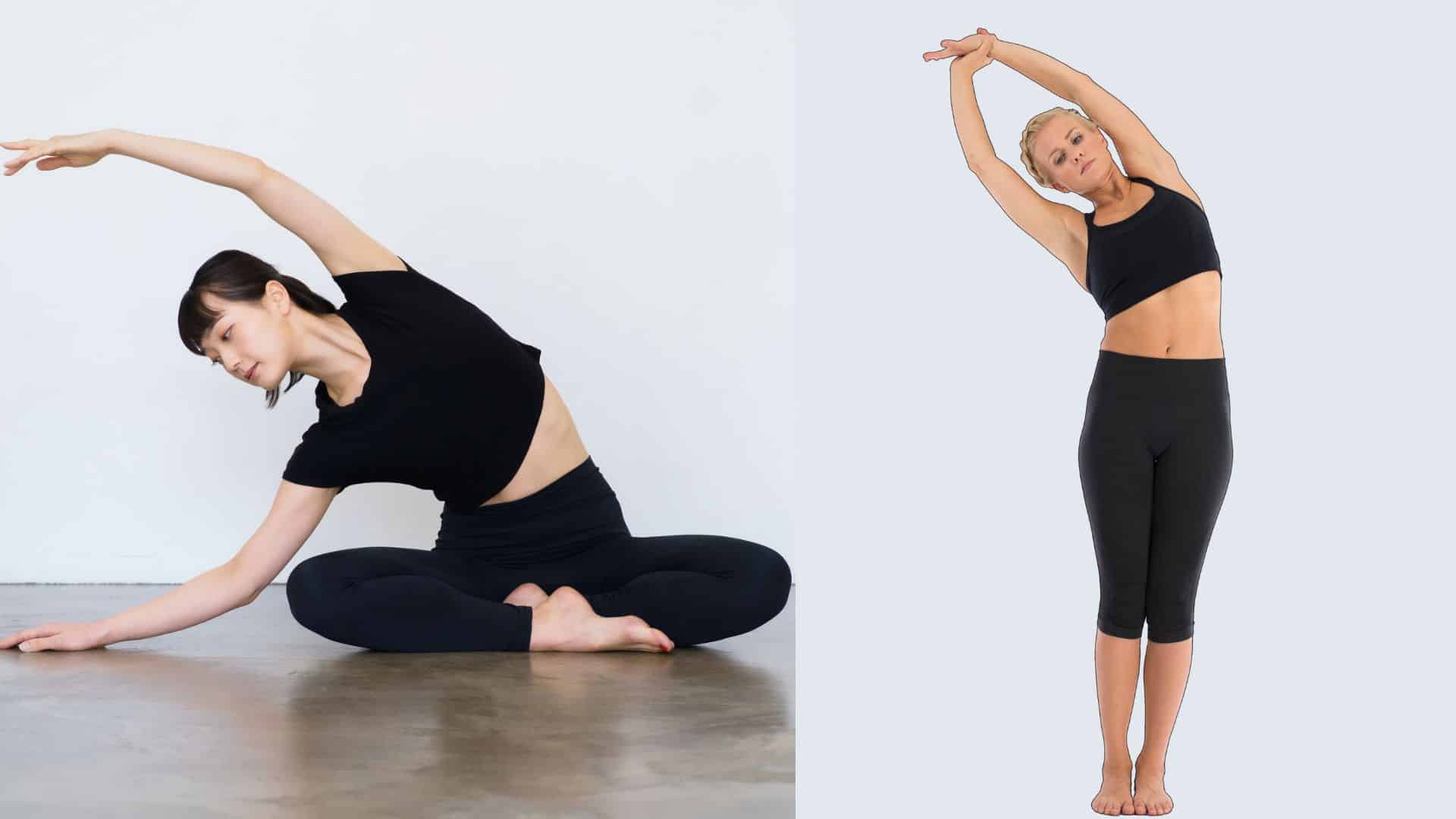
Follow these steps for a safe and effective side stretch:
Step 1: Stand or sit tall with a neutral spine
Start in a comfortable position. Keep your back straight but not stiff. Align your head over your shoulders.
Step 2: Raise one arm overhead
Lift your right or left arm straight up. Keep your shoulder relaxed. Don’t shrug your shoulder toward your ear.
Step 3: Lean gently to the opposite side without twisting
Bend sideways from your waist. If your right arm is up, lean left. Keep your chest facing forward. Don’t rotate or twist.
Step 4: Keep hips grounded; lengthen the entire side body
Your hips should stay level and stable. Don’t let one hip pop out. Focus on lengthening from the hip to the fingertips.
Step 5: Hold 20 to 30 seconds and switch sides
Breathe deeply while you hold. You should feel a gentle pull along your side. Release slowly and repeat on the other side.
Now that you know how to perform a basic side stretch, let’s check some of the side stretch variations.
Side Stretch Variations for Flexibility and Posture
Different variations target your side body in unique ways. Start with beginner versions. Progress to advanced options as your flexibility improves.
1. Two-Arm Standing Side Stretch
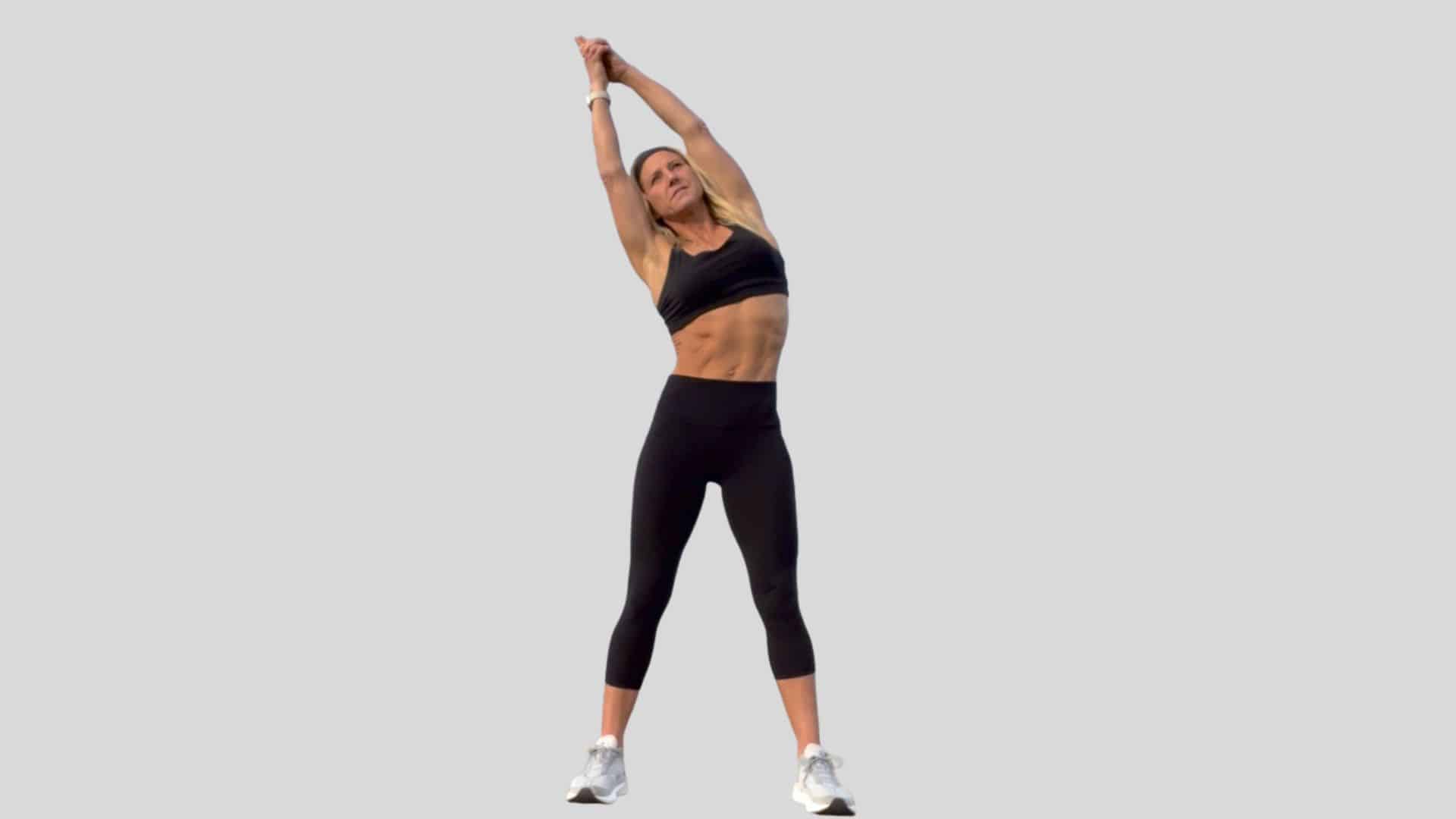
- Interlace your fingers overhead.
- Flip your palms toward the ceiling.
- Lean sideways while keeping both arms straight.
- This creates a deeper stretch through both sides of your rib cage.
2. Wall-Assisted Standing Side Stretch
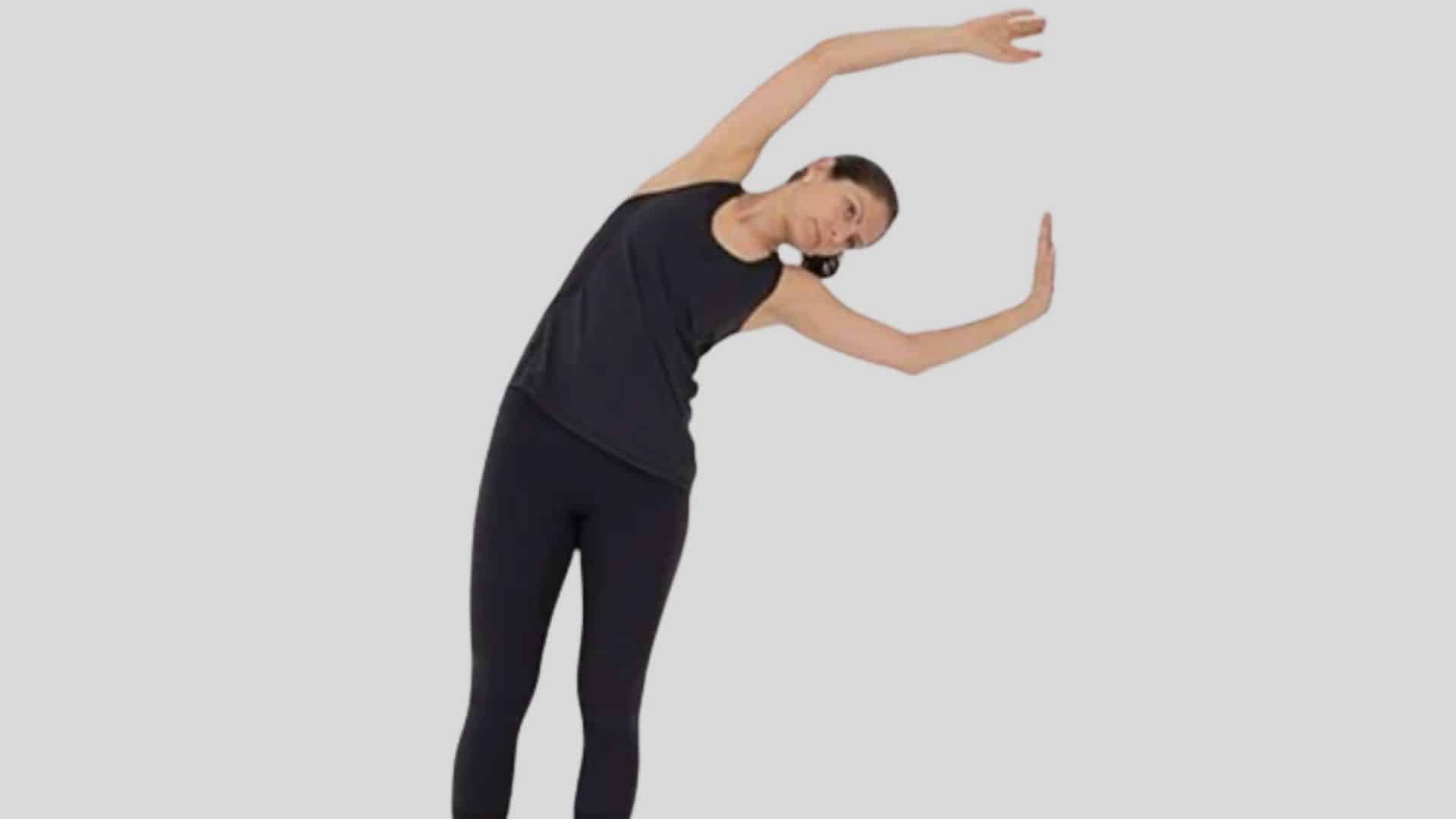
- Stand beside a wall with one hand resting on it.
- Lean away from the wall while keeping your hand in place.
- The wall provides support and helps you control the depth.
3. Chair/Seated Side Stretch
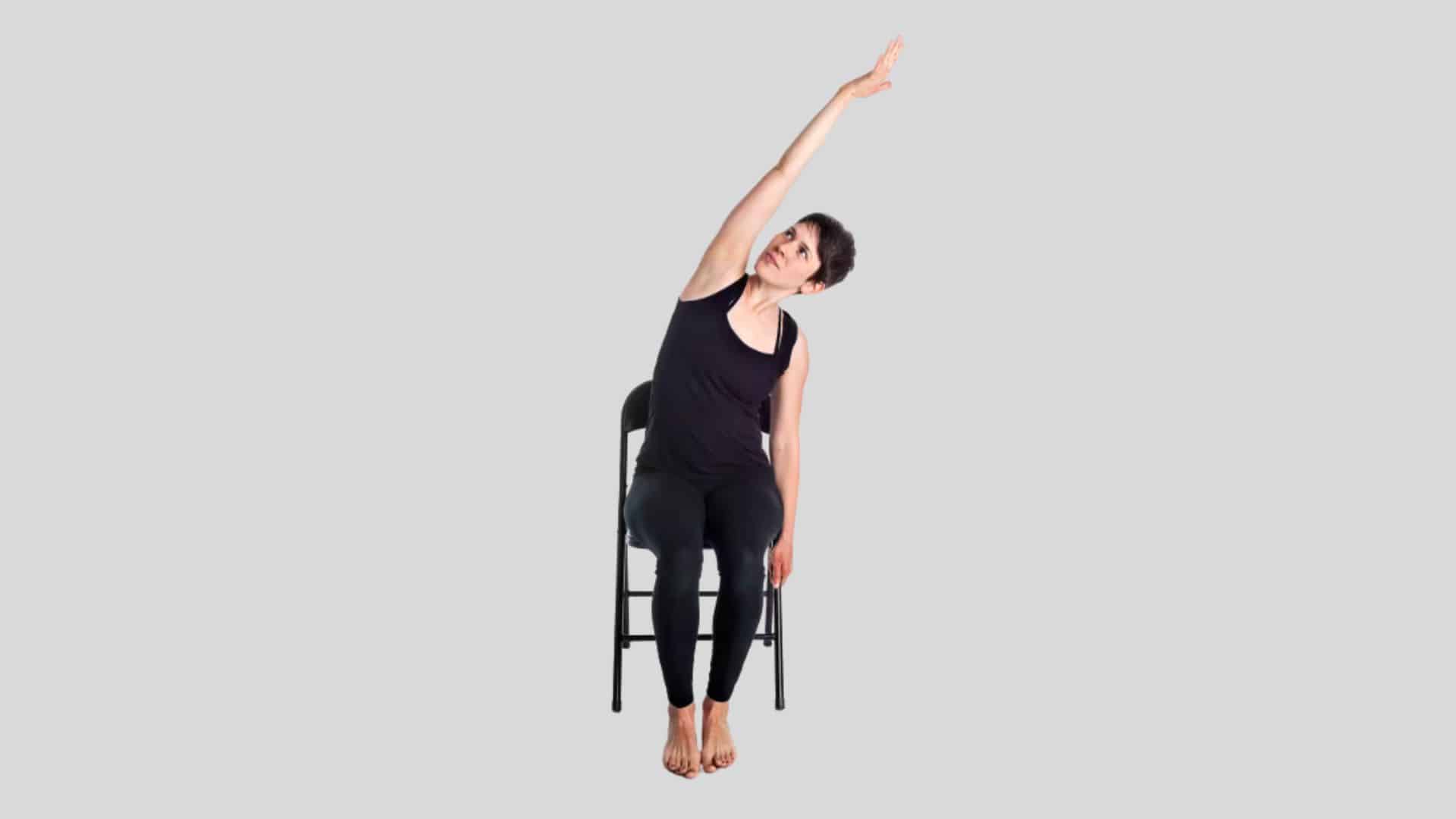
- Sit on a chair or bench.
- Keep your back straight and both feet flat on the floor.
- Raise one arm overhead and lean sideways.
- Both hips should stay firmly planted on the seat.
4. Seated Cross-Legged Side Stretch
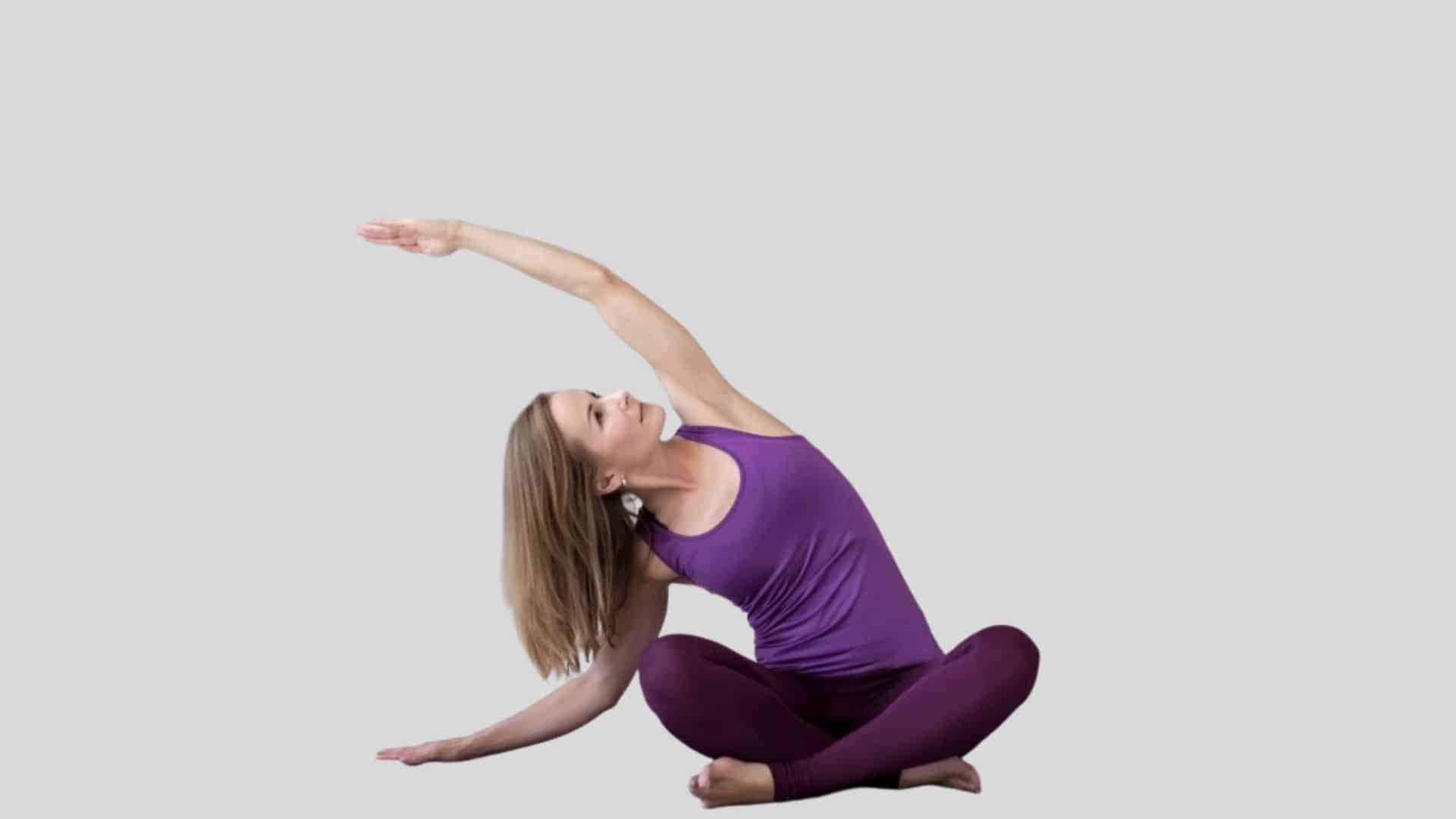
- Sit on the floor with legs crossed.
- Place one hand on the floor beside you.
- Reach your opposite arm overhead and lean toward the grounded hand.
- This version adds a gentle hip opening.
5. Crescent Stretch (Banana Stretch)
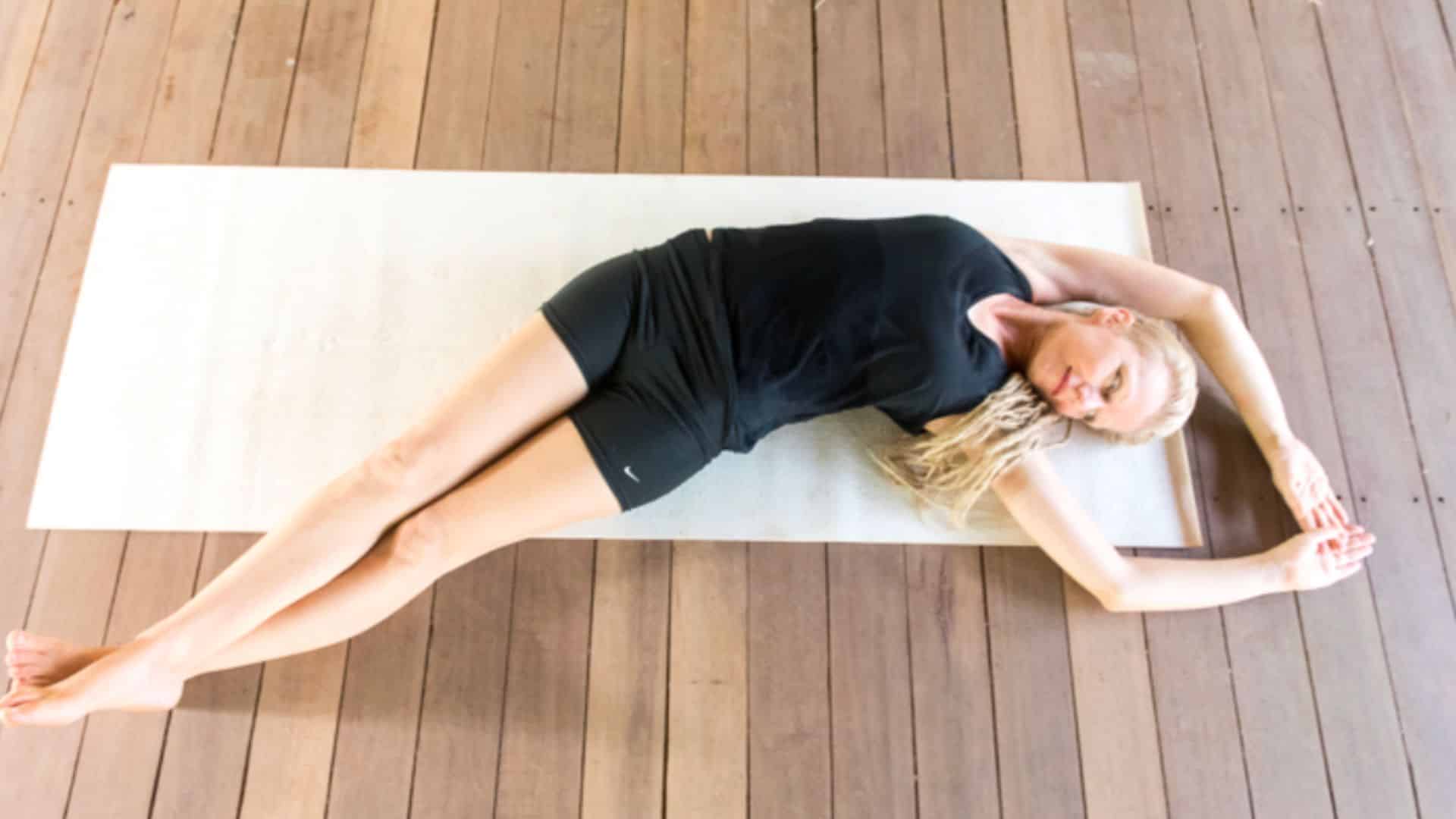
- Lie down on the floor.
- Reach both arms overhead.
- Create a crescent or banana shape with your whole body.
- Lean to one side while keeping your lower body stable.
6. Dynamic Side Sways
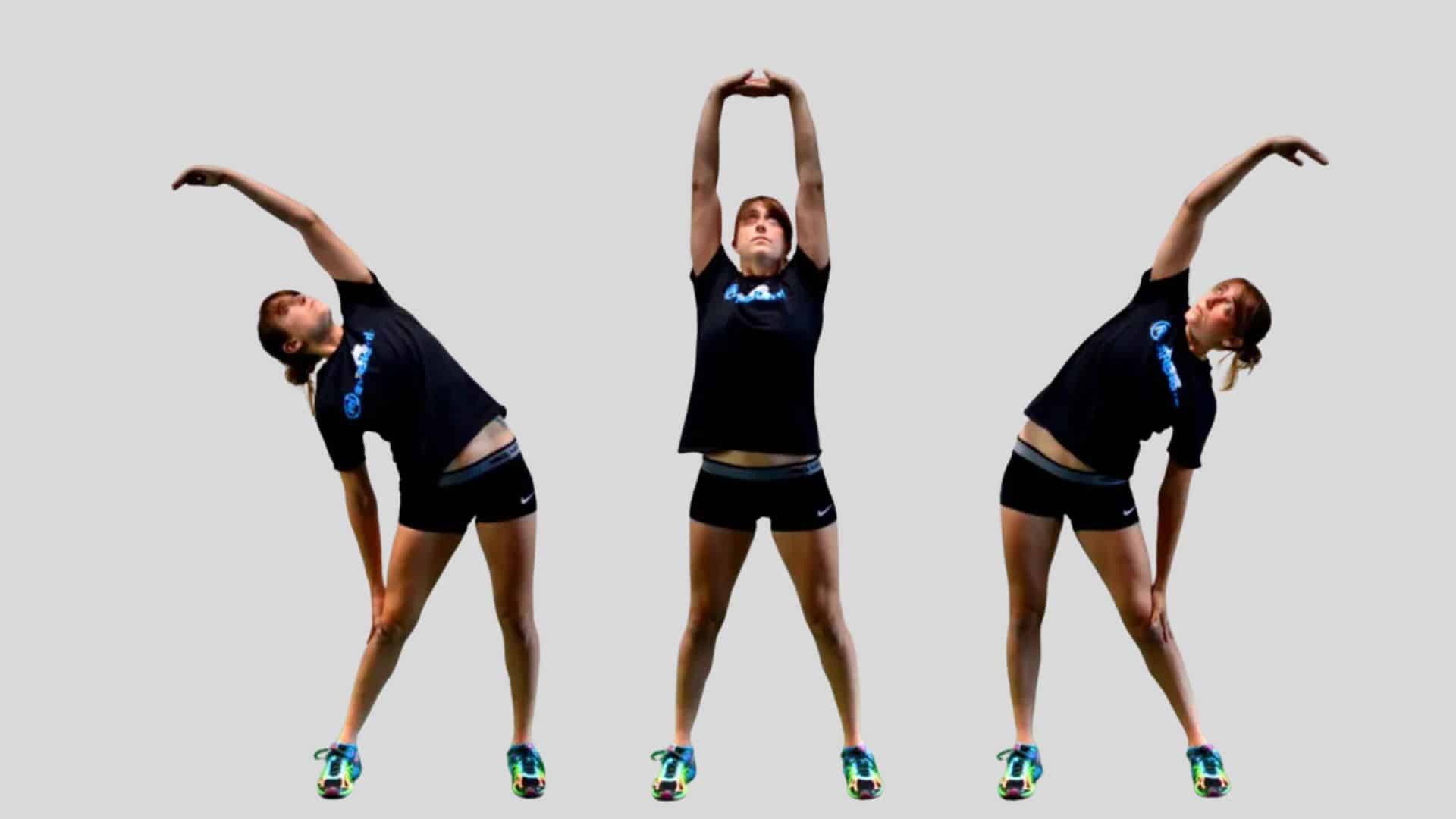
- Stand with arms relaxed.
- Gently sway from side to side.
- This warms up your side body before deeper stretches.
- Move slowly and rhythmically.
7. Wide-Legged Seated Side Stretch
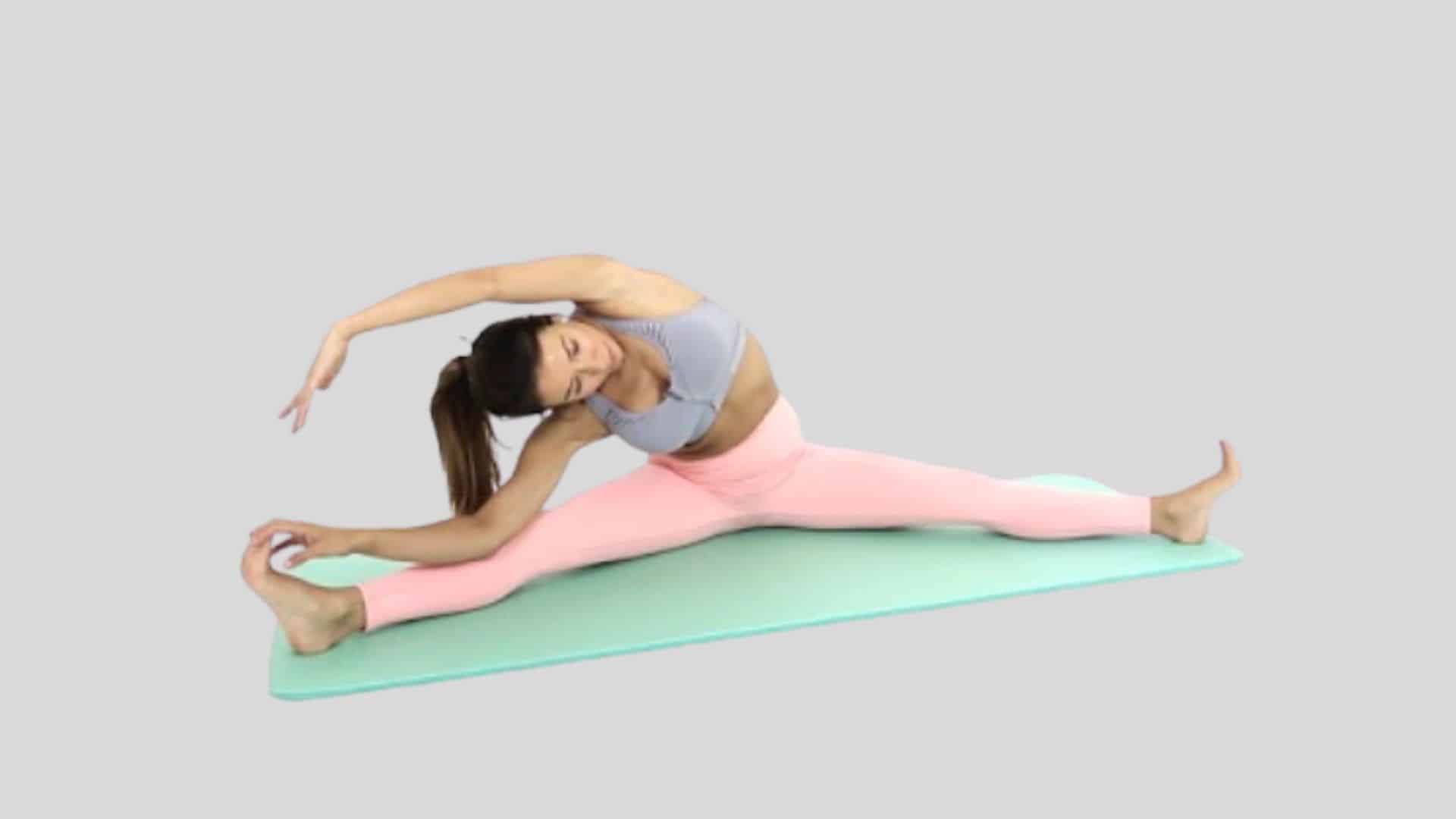
- Sit on the floor with legs spread wide.
- Keep your knees pointing up.
- Reach toward one foot with both hands.
- Feel the stretch along your side and inner thigh.
- Repeat on the other side.
8. Gate Pose (Kneeling Side Bend)
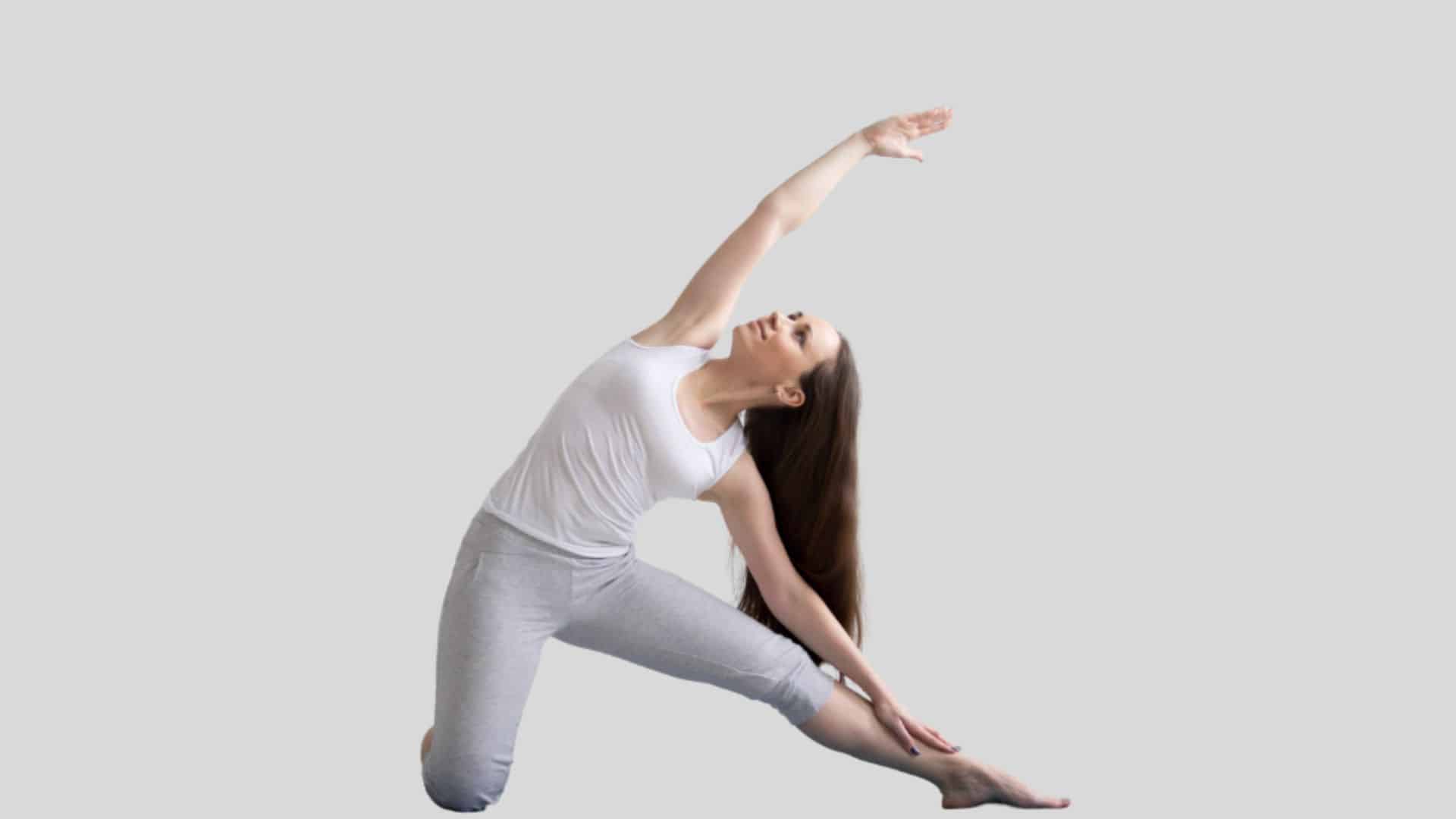
- Kneel on your left knee.
- Extend your right leg straight to the side.
- Keep your right foot flat on the floor.
- Reach your right arm down your leg.
- Raise your left arm overhead and lean right.
- Switch sides after holding.
9. Triangle Pose
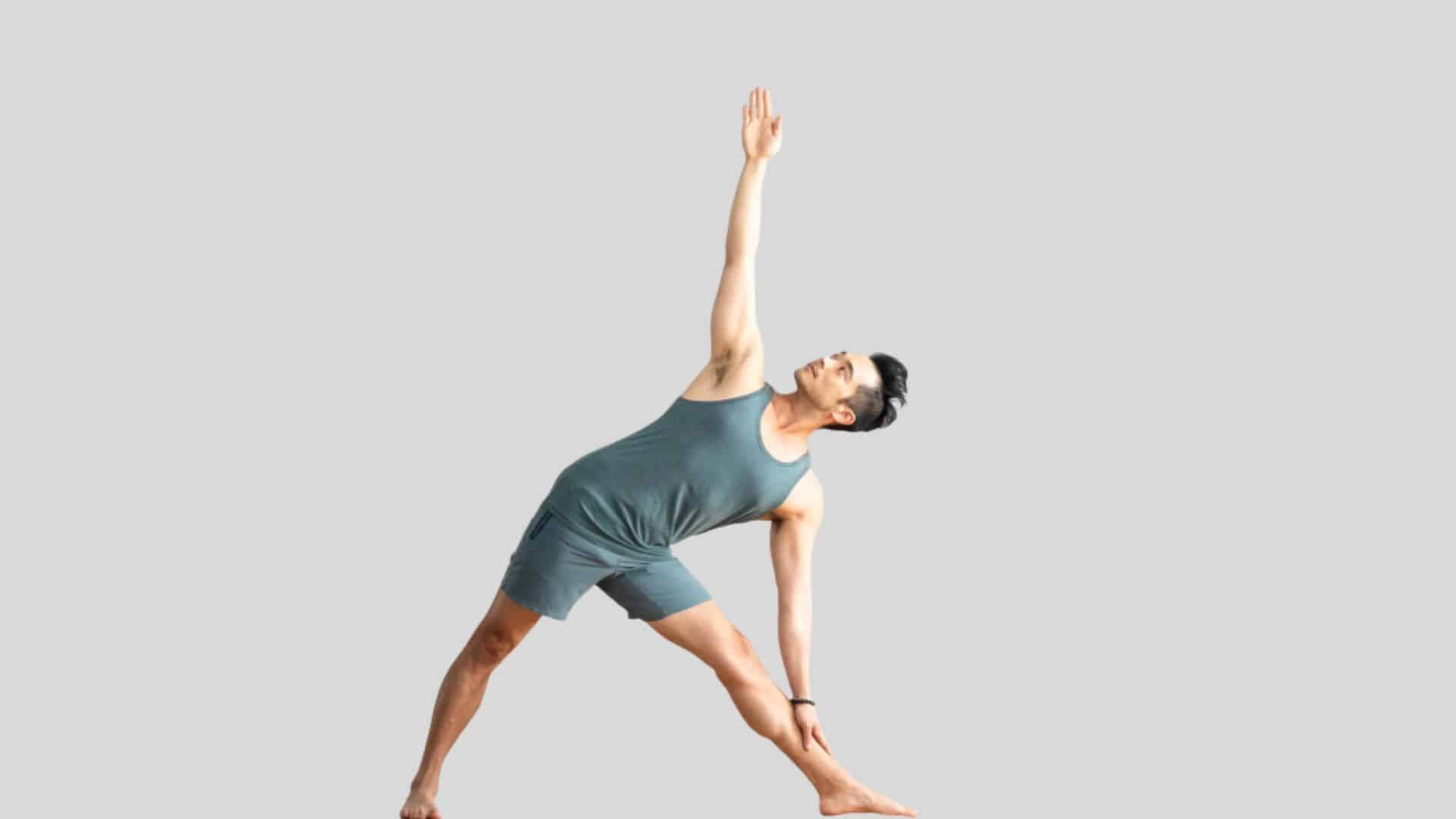
- Stand with feet wide apart.
- Turn your right foot out 90 degrees.
- Extend your arms out to the sides.
- Reach right, then lower your right hand to your shin or floor.
- Raise your left arm.
- Keep both sides of your waist long.
10. Extended Side Angle Variation
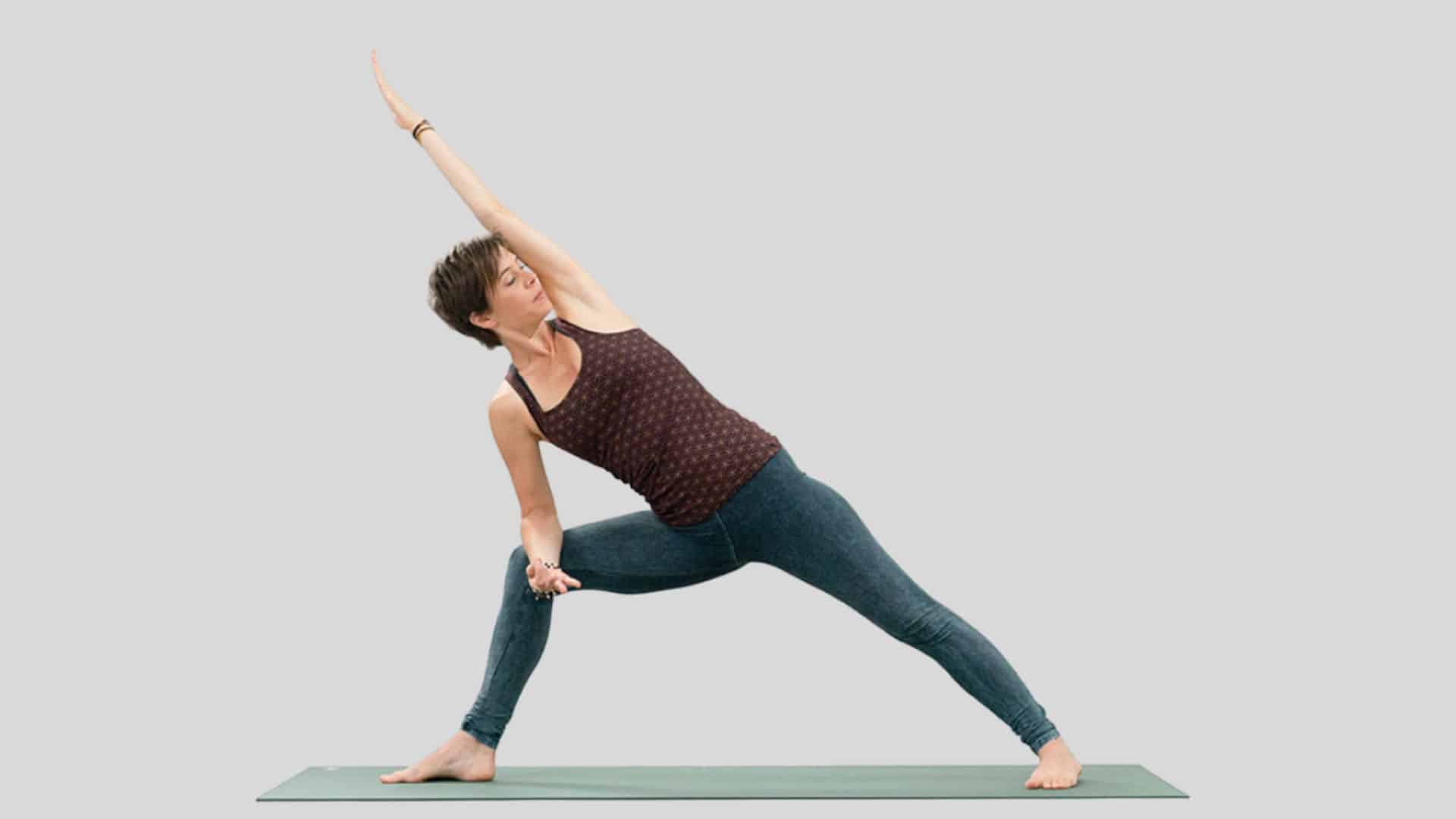
- From a wide stance, bend your front knee.
- Place your front forearm on your front thigh.
- Reach your back arm overhead.
- Create one long line from your back foot to your fingertips.
11. Kneeling Side Stretch (Low Lunge Side Bend)
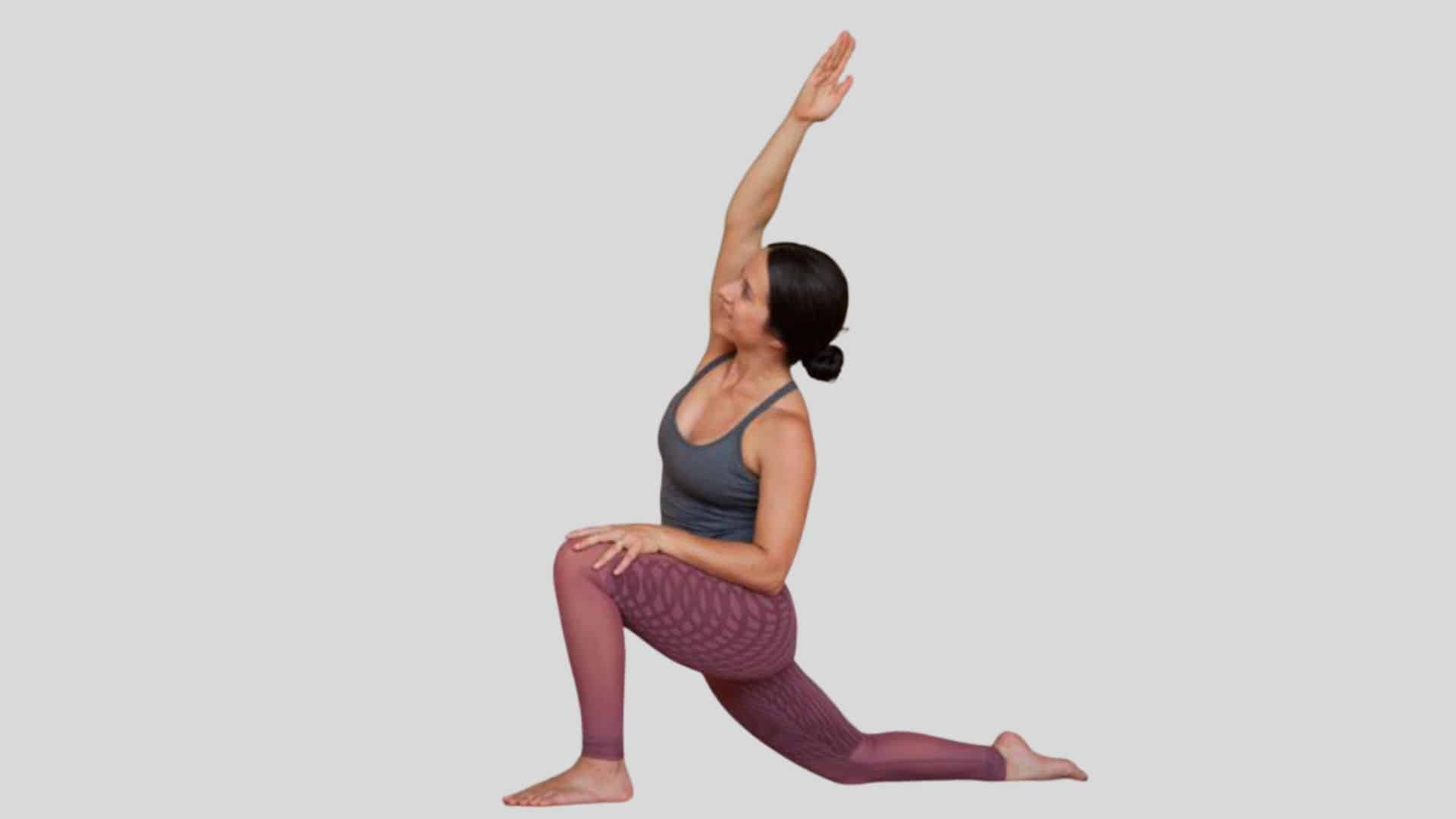
- Start in a low lunge position.
- Keep your back knee on the ground.
- Raise your same-side arm (arm on the side of your front leg) overhead.
- Lean away from your front leg.
12. Child’s Pose Side Stretch
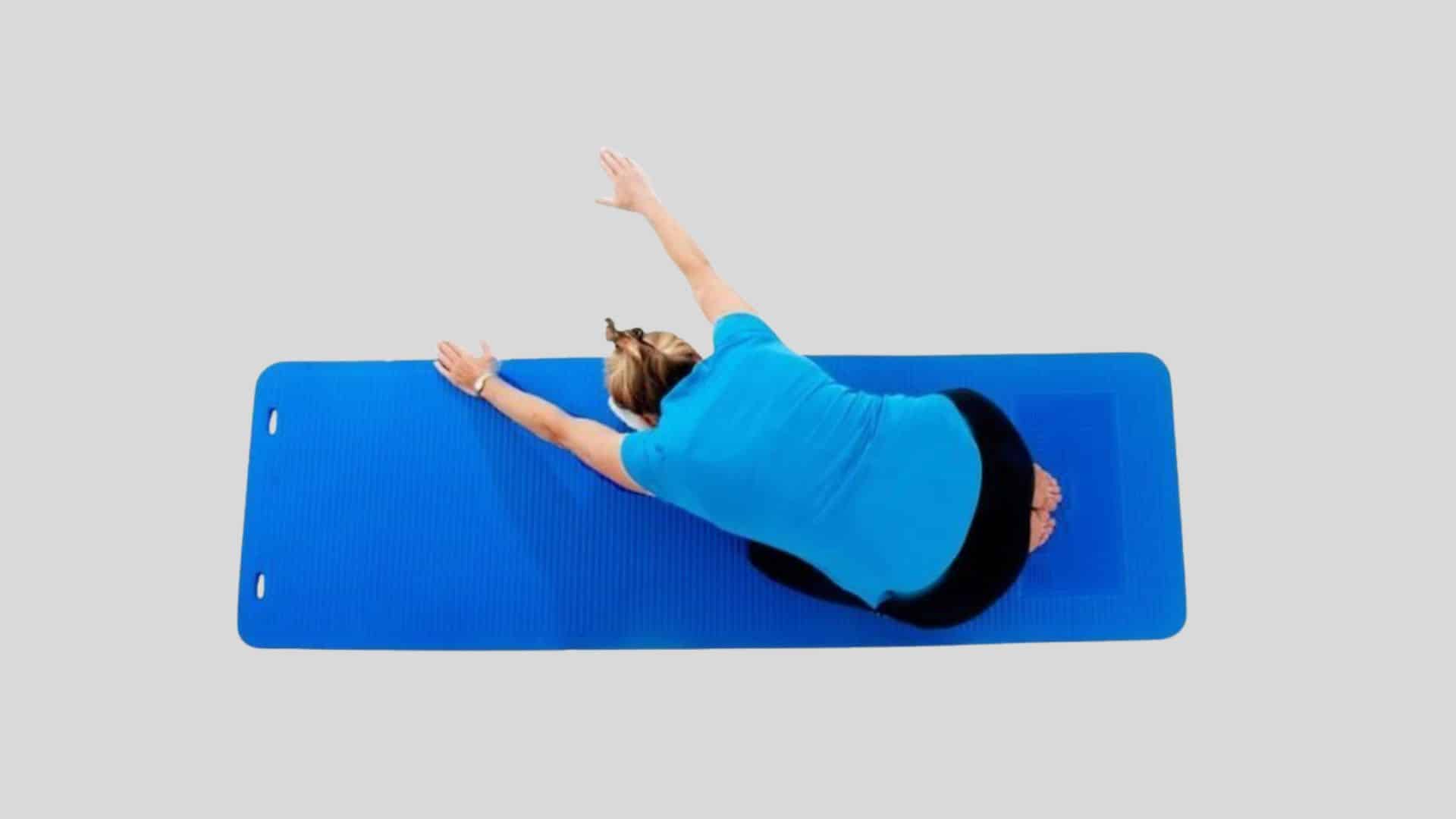
- Start in child’s pose with hips back toward heels.
- Walk both hands to the right side.
- Keep your hips grounded.
- Hold, then walk hands to the left.
- This gently stretches your lats and side waist.
13. Mermaid Pose
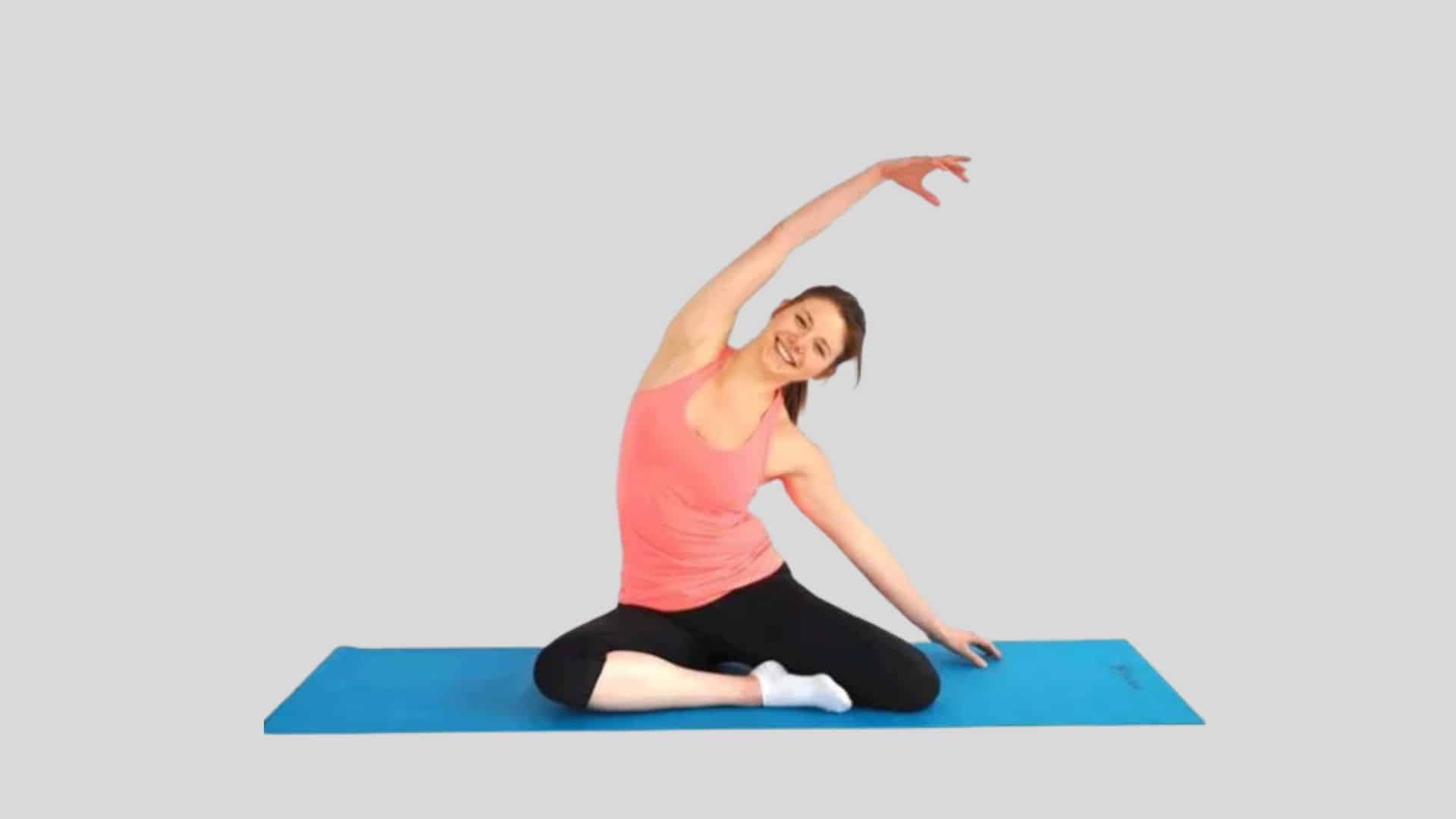
- Sit with both legs folded to your right side.
- Your knees should be bent.
- Place your right hand on the floor.
- Reach your left arm overhead and lean right.
- This creates a deep side body curve.
Knowing how to perform a side stretch is one thing, but taking a look at the muscles engaged during a side stretch is equally essential.
Which Muscles Are Activated in Side Stretches?
Understanding which muscles you’re stretching helps you focus your practice.
| Muscle | Function | Role in Side Stretches |
|---|---|---|
| Obliques (External & Internal) | Help with rotation and side bending | Lengthen and reduce tension in the waist |
| Intercostals | Assist with breathing, located between the ribs | Create space between ribs and improve respiratory function |
| Quadratus Lumborum (QL) | Connects the lowest rib to the pelvis, often tight from sitting | Release tension in the lower back and reduce pain |
| Latissimus Dorsi (Lats) | Large back muscles, from mid-back to arms | Lengthen and improve shoulder mobility |
| Glute Medius | Stabilizes the pelvis during standing side stretches | Keeps hips level while bending sideways |
| Rib and Waist Fascia | Connective tissue around muscles is often tight along the sides | Maintain healthy, mobile fascia with side stretches |
Now that you know which muscles are activated, you might be wondering who can benefit from side stretches. Let’s see who should incorporate this stretch into their routine.
Who Should Do Side Stretches?
Side stretches can benefit just about anyone, but some people may find them especially helpful.
- Desk workers: Long hours at a computer compress your side body. Regular side stretches counteract this compression.
- Athletes and runners: Athletic movements often happen in one plane. Side stretches balance out forward-focused training. They reduce injury risk and improve performance.
- Yoga beginners: Side stretches are accessible to most people. They require no special equipment or flexibility. Beginners can easily learn proper form.
- People with stiff ribs or a stiff waist: If you have difficulty taking deep breaths, side stretches can help. Rib stiffness improves with consistent practice.
- Anyone wanting better spinal mobility: Side bending keeps your spine healthy. It maintains the full range of motion you need for daily life.
Use caution if you have acute lower-back pain, spinal issues, rib injury, or hip instability.
Now that we know who can benefit from side stretches, let’s look at how you can incorporate them into a daily routine that’s suitable for everyone.
Daily Side Stretch Routine for Everyone
This quick routine covers all the basics. Do it daily for best results.
| Stretch | Duration | Description |
|---|---|---|
| Standing Side Stretch | 30 seconds per side | Raise one arm overhead and lean to wake up the side body. Breathe deeply throughout. |
| Seated Side Bend | 30 seconds per side | Sit grounded and lean sideways for more profound relaxation. |
| Wide-Leg Side Stretch | 20 seconds per side | Sit with legs wide, reach toward each foot to stretch inner thighs and side body. |
| Low Lunge Side Bend | 20 seconds per side | In a low lunge, raise the arm and lean away to combine hip opening with side stretch. |
| Dynamic Side Sways | 30 seconds | Stand and sway gently side to side to cool down and integrate the body. |
| Total Time | 5 minutes | Complete all stretches in 5 minutes. |
Best time to practice: Morning to start your day, or after sitting for long periods.
Now that you’re ready to add side stretches to your routine, let’s go over some crucial tips for safe practice.
Tips for Practicing Safe and Effective Side Stretch
To get the most out of your side stretches while avoiding injury, it’s essential to practice them safely and effectively. Here are some key tips to keep in mind as you stretch:
- Move slowly and do not force depth.
- Keep hips stable and avoid twisting.
- Use breath to open the ribs.
- Consistency creates long-term mobility results.
- Engage core muscles for stability.
- Listen to your body.
By incorporating side stretches into your routine, you can enhance flexibility, improve posture, and keep your muscles feeling strong and balanced.
Conclusion
Adding side stretches to your daily routine takes just minutes but delivers lasting benefits. Your spine stays healthier when it moves in all directions, not just forward and back.
These stretches reduce tension that builds up from sitting, improve the depth of your breath, and prevent everyday aches in your waist and lower back.
Start with whichever variation feels most comfortable. Build consistency before chasing depth or advanced poses.
Listen to your body’s signals and progress at your own pace. The best stretch routine is one you actually do regularly.
Pick two or three favorites from this guide and commit to practicing them daily. Your side body will thank you with better flexibility and less discomfort.