Ever wondered why your yoga instructor says “Tadasana” instead of “Mountain Pose”?
Sanskrit, the ancient language of yoga, holds the key to understanding this 5,000-year-old practice beyond physical exercise.
From the Vedic texts to Patanjali’s Yoga Sutras, Sanskrit terminology preserves the precise meanings, philosophical depth, and spiritual essence that translations often lose.
Whether you’re curious about the root word “yuj,” the eight limbs of ashtanga yoga, or why “Om” resonates universally, this guide unveils how Sanskrit transforms modern practice.
Discover the origins, classical texts, traditional pose names, and authentic meanings that connect your mat to millennia of yogic wisdom.
Meaning of Yoga in Sanskrit
The word “yoga” comes from the Sanskrit root “yuj” (युज्), which you’ll find woven throughout ancient Vedic literature.
This isn’t just linguistic trivia; it’s the foundation of understanding what yoga truly means.
In classical Sanskrit, words aren’t arbitrary labels. They’re designed to convey precise philosophical concepts, and “yoga” is no exception.
The term appears in texts dating back over 3,000 years, though its meaning has evolved across different schools of thought.
Root Word Yuj and Its Interpretations
The root “yuj” carries several interconnected meanings that have shaped yoga philosophy:
- To join or unite – The most common understanding, referring to the union of body, mind, and spirit
- To concentrate or focus – Reflecting the meditative aspects of yoga practice
- To harness or control – Similar to controlling horses, implying mastery over the senses
- To attain or achieve – Indicating the goal-oriented nature of yogic practice
The Monier-Williams Sanskrit Dictionary catalogues these meanings, showing how different yoga traditions emphasized specific interpretations based on their philosophical approaches.
Origins of Sanskrit Yoga
Yoga’s origins trace back over 5,000 years to the Indus Valley Civilization.
Archaeological evidence from Mohenjo-Daro reveals stone seals depicting figures in meditative postures, suggesting proto-yogic practices predated written records.
The system evolved from Vedic rituals to structured philosophy before being codified in Sanskrit texts.
1. Early References in the Vedas

The Vedas (1500-500 BCE) contain the earliest written mentions of yoga.
The Rigveda describes “yoking the mind” in sacrificial rituals, while the Atharvaveda introduces concepts of breath control.
Vedic priests practiced concentration techniques during fire ceremonies, laying the groundwork for meditation practices.
2. Role of the Upanishads in Shaping Yogic Thought

The Upanishads (800-200 BCE) transformed yoga from a ritualistic practice into a system of self-realization.
The Katha Upanishad presents the earliest systematic description of yoga, defining it as steadying the senses.
The Shvetashvatara Upanishad details meditation posture and breath regulation, describing six-limbed yoga. These texts connected individual consciousness (atman) with universal consciousness (Brahman).
3. Yoga in Ancient Indian Civilization
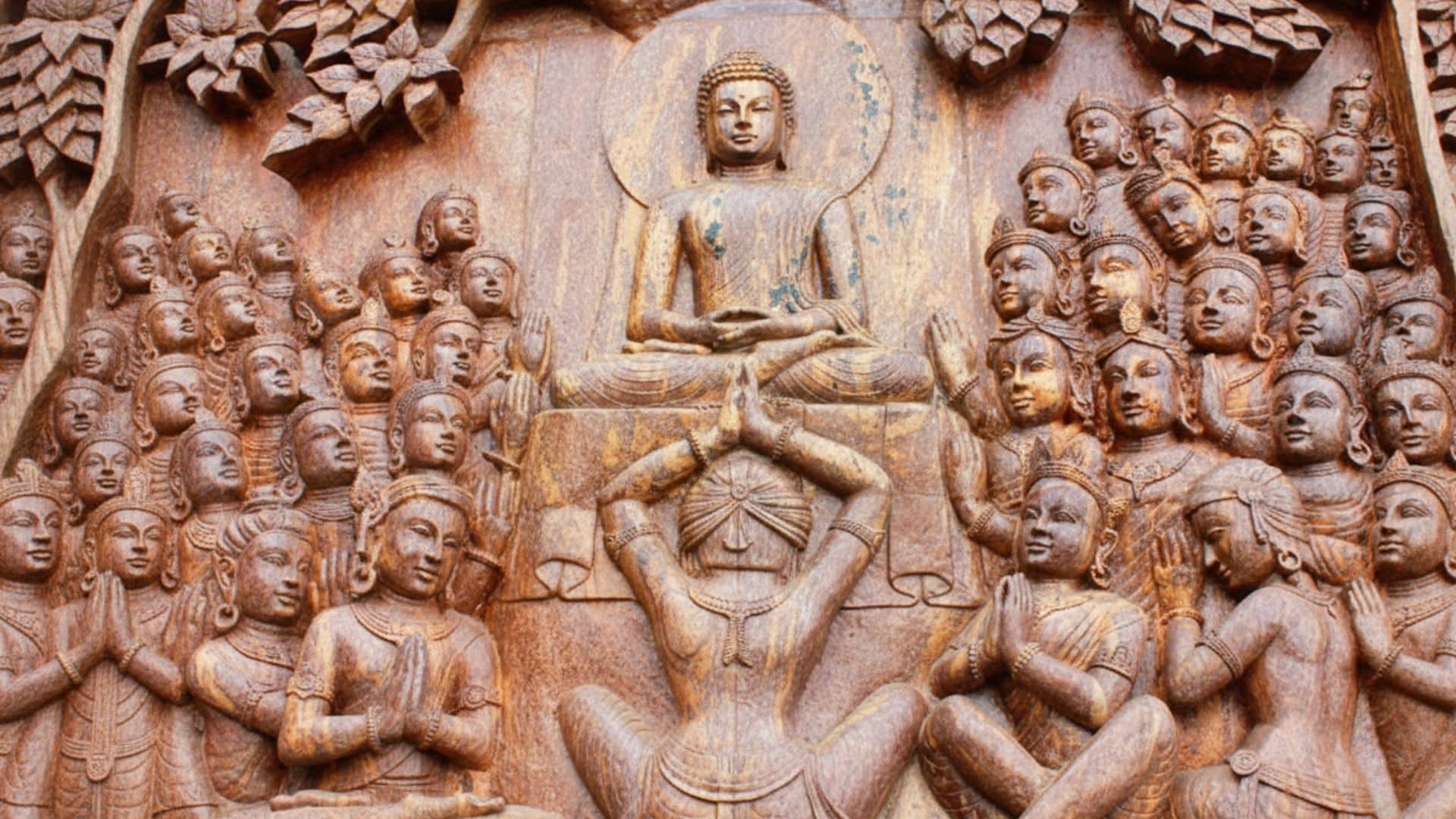
Yoga permeated ancient Indian society beyond spirituality. Indus Valley seals (3300-1300 BCE) depict yogic postures, while the Charaka Samhita (400 BCE) integrated yoga with Ayurvedic healing.
Buddhism and Jainism adopted yogic meditation techniques, and ancient schools incorporated yoga into student training.
By 200 BCE – 500 CE, yoga evolved into distinct paths: Raja, Karma, Bhakti, and Jnana Yoga.
Yoga in Classical Sanskrit Texts
Classical Sanskrit texts transformed yoga from oral traditions into systematized philosophy and practice.
Between 400 BCE and the 15th century CE, seminal works codified yoga’s principles, techniques, and spiritual goals.
4. Yoga in the Bhagavad Gita
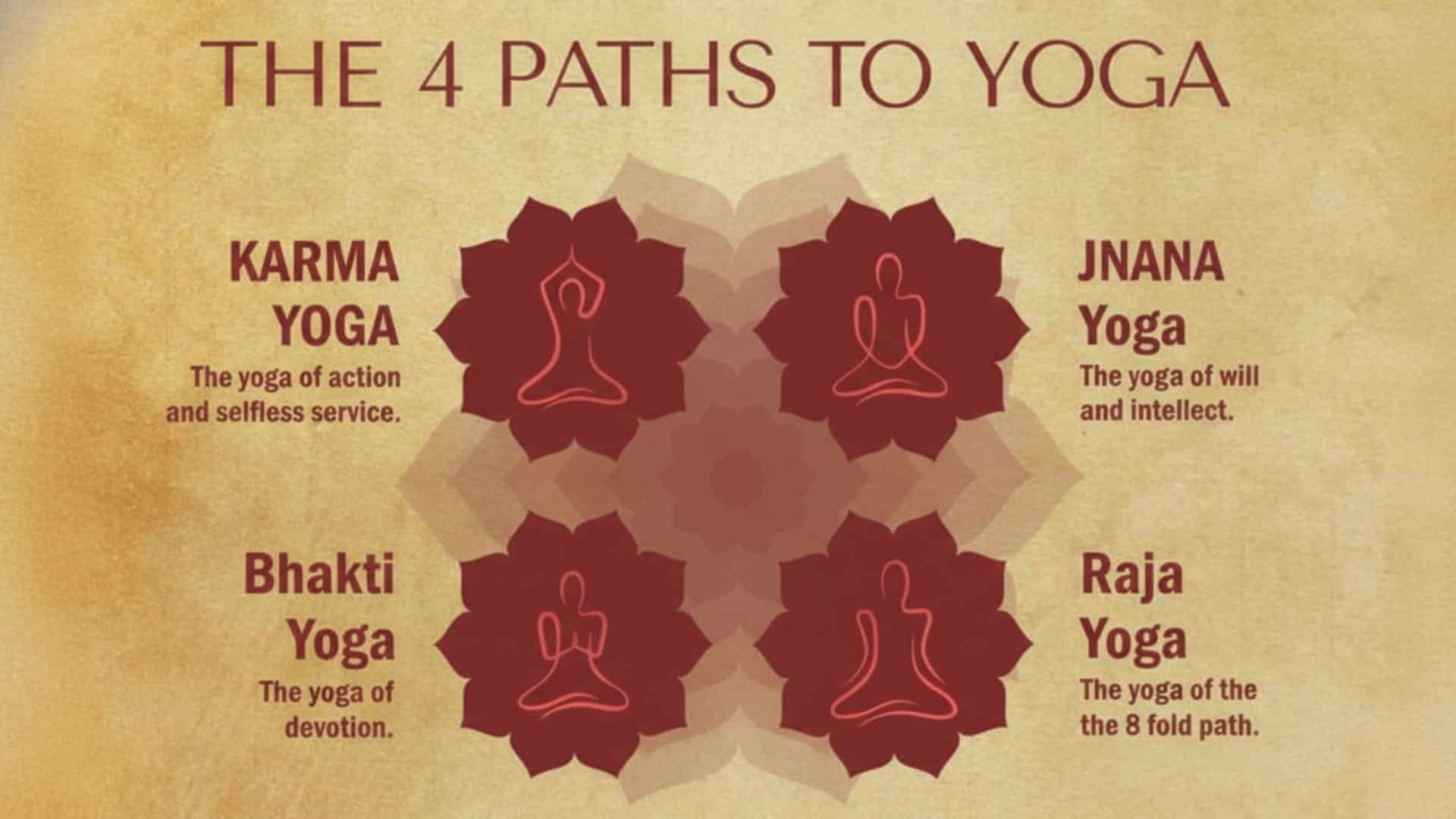
The Bhagavad Gita (400-200 BCE) presents yoga as multiple paths to spiritual realization:
- Karma Yoga – The path of selfless action, performing duties without attachment to results. Krishna teaches Arjuna to act with dedication while surrendering outcomes to the divine.
- Bhakti Yoga – The path of devotion and love toward the divine, emphasizing emotional connection and surrender to God as the ultimate union.
- Jnana Yoga – The path of knowledge and wisdom, involving discrimination between the real and unreal to realize the true nature of the self.
- Raja Yoga – The path of meditation and mental discipline, Raja Yoga emphasizes controlling the mind through the eight-limbed path, prioritizing meditation and concentration as primary tools for achieving samadhi.
5. Yoga Sutras of Patanjali
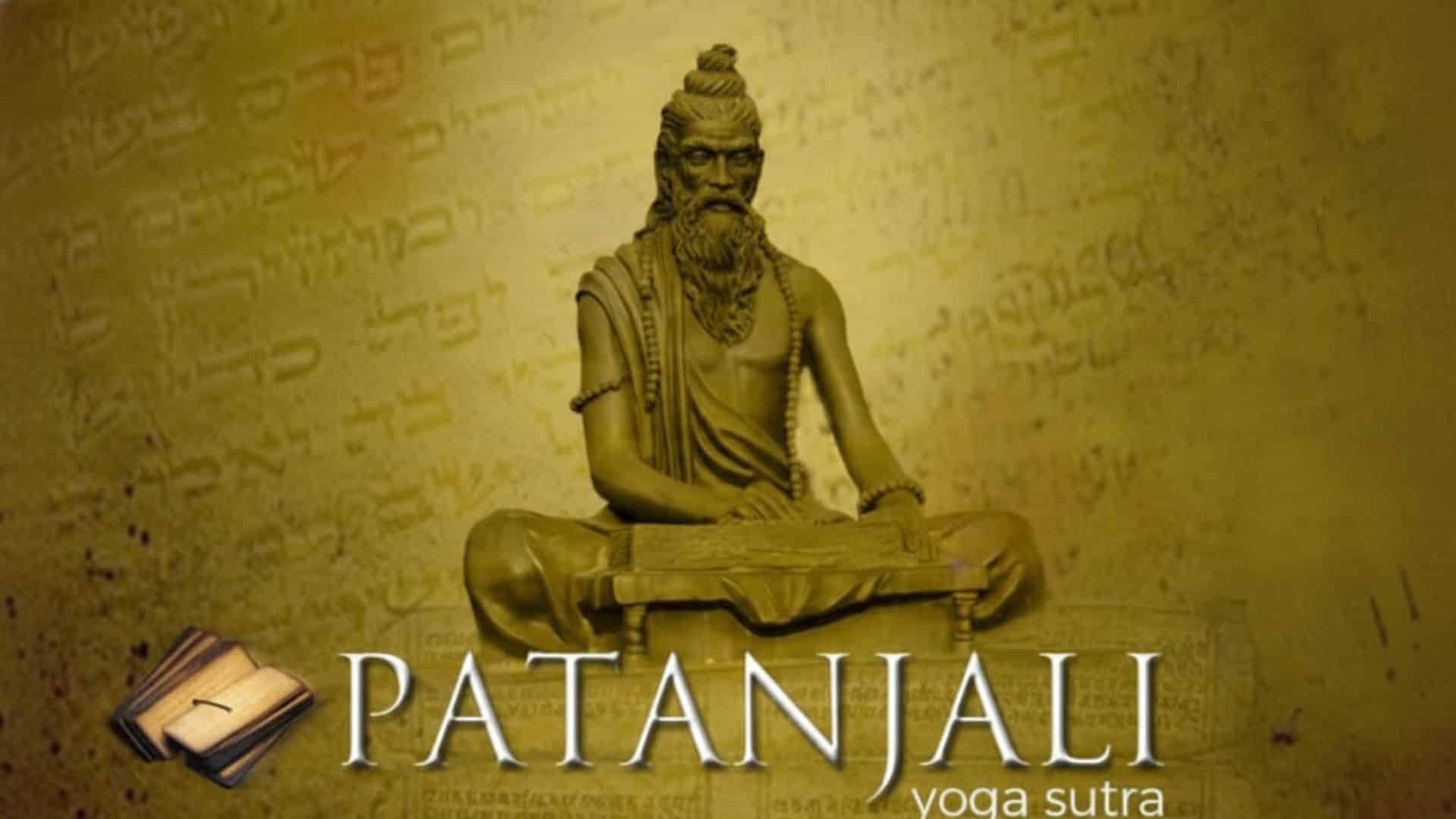
Compiled around 400 CE, Patanjali’s Yoga Sutras systematized yoga philosophy into 196 concise aphorisms.
The text comprises four chapters (padas): Samadhi, Sadhana, Vibhuti, and Kaivalya.
It codifies the eight-limbed path (ashtanga yoga), providing a practical framework for achieving mental clarity and spiritual liberation.
6. Yoga in the Hatha Yoga Pradipika
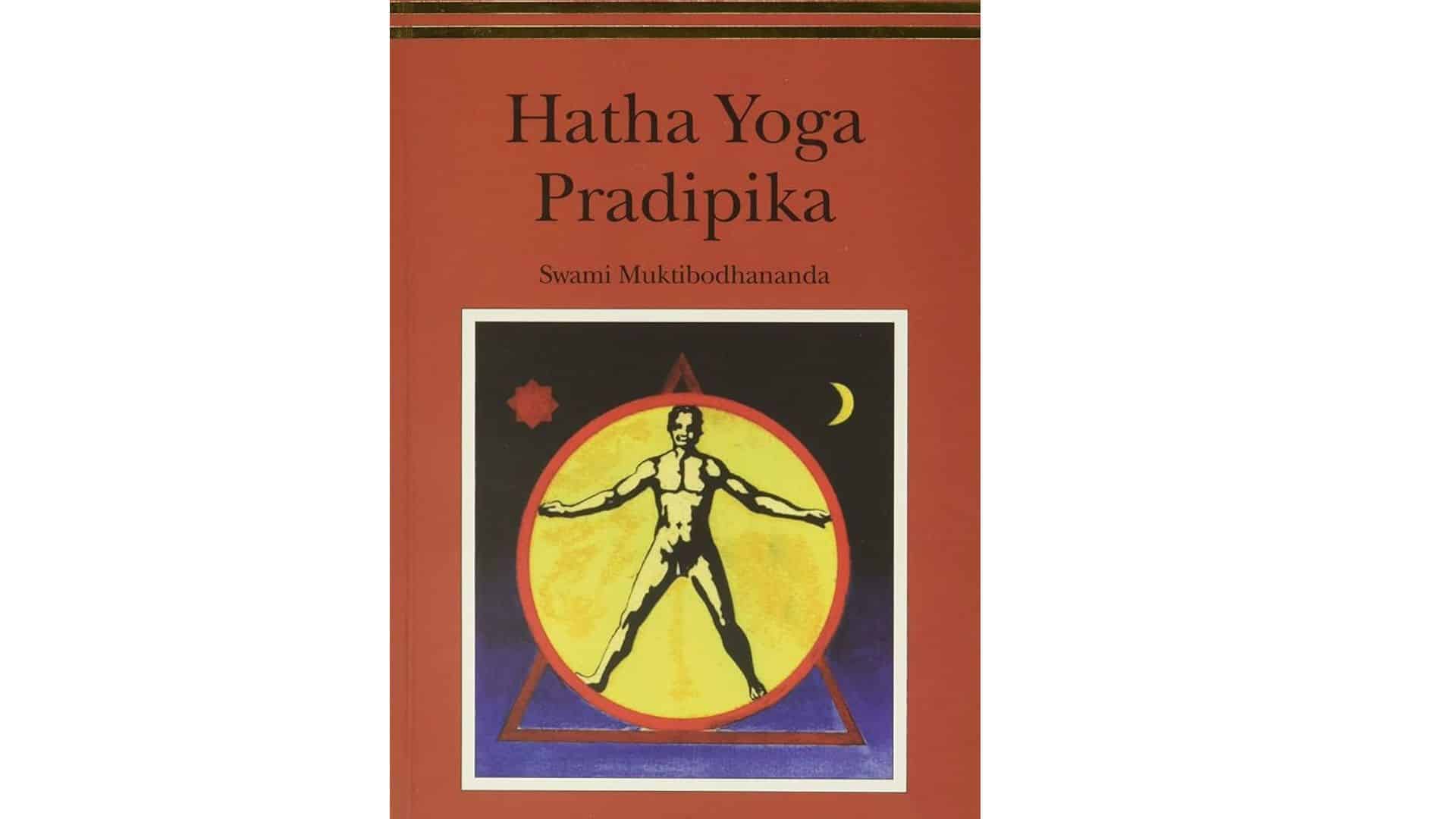
Written in the 15th century by Swatmarama, this text shifted focus to physical practices.
It emphasizes asanas (postures), pranayama (breath control), and energy manipulation through bandhas and mudras.
The text describes yoga as balancing opposing energies within the subtle body to prepare for meditation and samadhi.
Among these classical texts, Patanjali’s Yoga Sutras remain the most influential for its systematic approach.
The Eight Limbs of Yoga in Sanskrit

Patanjali’s ashtanga yoga outlines eight progressive stages leading to self-realization.
These limbs work together as an integrated system, building from ethical foundations to ultimate spiritual liberation.
1. Yama: Five ethical restraints governing social conduct: ahimsa (non-violence), satya (truthfulness), asteya (non-stealing), brahmacharya (energy conservation), and aparigraha (non-possessiveness).
2. Niyama: Five personal observances for inner discipline: saucha (purity), santosha (contentment), tapas (austerity), svadhyaya (self-study), and ishvara pranidhana (surrender to the divine).
3. Asana: Steady, comfortable posture for meditation. Originally referred to seated positions for prolonged practice, not the physical exercises of modern yoga.
4. Pranayama: Breath-regulation techniques control prana (the vital life force) through conscious breathing patterns.
5. Pratyahara: Sensory withdrawal, turning attention inward by detaching from external stimuli.
6. Dharana: Single-pointed concentration, focusing the mind on one object or point without distraction.
7. Dhyana: Sustained meditation, an uninterrupted flow of awareness toward the object of focus.
8. Samadhi: Complete absorption and union with the object of meditation, transcending individual consciousness to experience ultimate reality.
While modern yoga often emphasizes asana, Patanjali’s framework reveals that physical postures are just one step in a transformative journey toward self-realization and inner peace.
Sanskrit Terminology Commonly Used in Yoga
Understanding Sanskrit terminology deepens yoga practice by connecting practitioners to its philosophical roots. These terms describe physical postures, breathing techniques, energy locks, and sacred sounds used throughout yogic traditions.
1. Asana Names and Meanings

Sanskrit asana names typically describe animals, objects, or sages.
Adho Mukha Svanasana (downward-facing dog) combines adho (down), mukha (face), and svana (dog).
Vrikshasana (tree pose) derives from vriksha (tree).
Bhujangasana (cobra pose) comes from bhujanga (serpent).
These descriptive names connect physical forms to natural elements and symbolic meanings.
2. Pranayama Terms
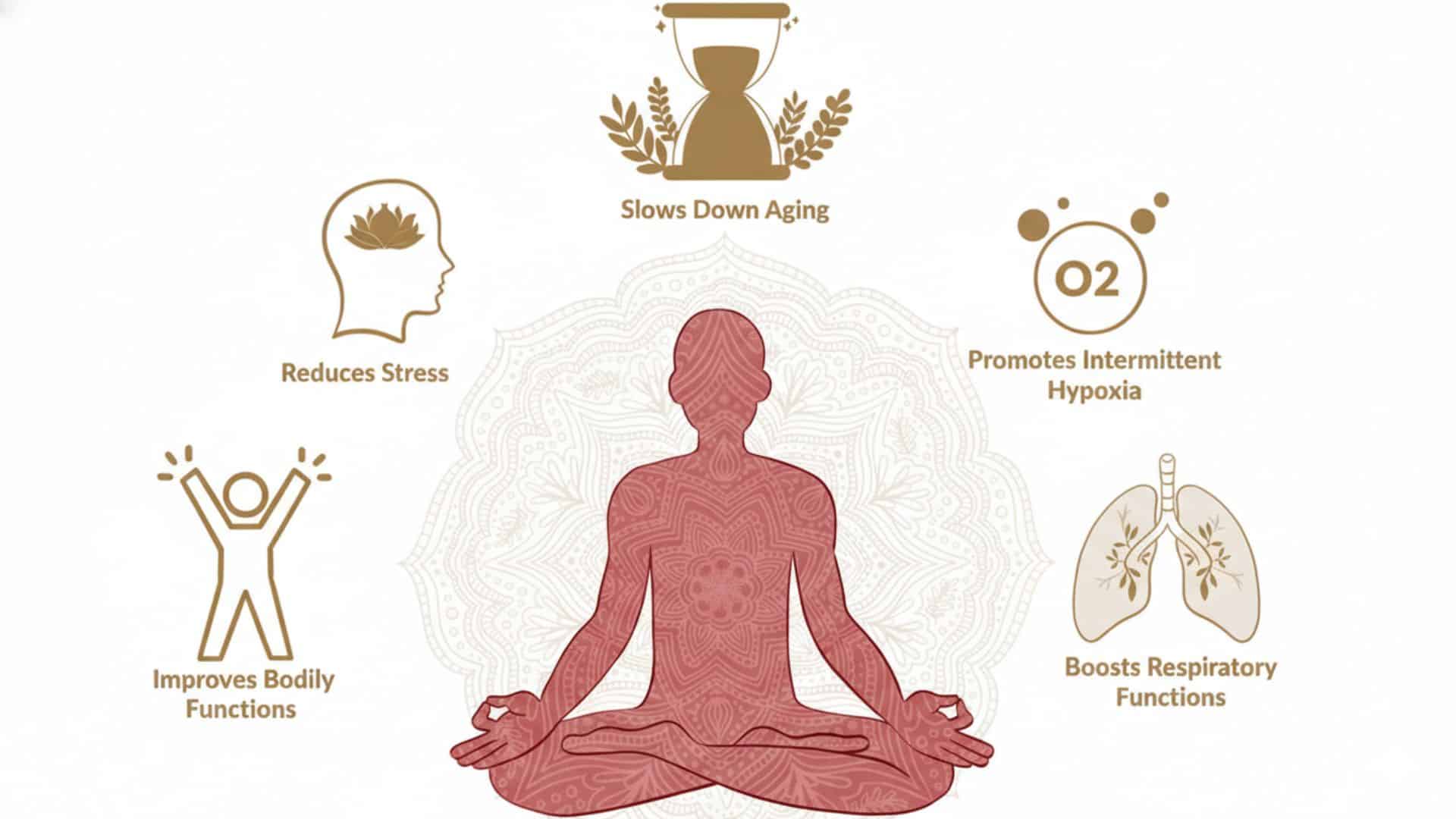
Pranayama combines prana (life force) and ayama (extension).
Standard techniques include Nadi Shodhana (alternate nostril breathing), Ujjayi (victorious breath), Kapalabhati (skull-shining breath), and Bhramari (bee breath).
Each technique regulates energy flow and mental states through specific breathing patterns.
3. Mudras and Bandhas

Mudras are hand gestures that channel energy: Anjali Mudra (prayer position) and Gyan Mudra (thumb-index finger touch).
Bandhas are energy locks: Mula Bandha (root lock), Uddiyana Bandha (abdominal lock), Jalandhara Bandha (throat lock).
These practices direct prana within the subtle body.
4. Mantras and Bija Sounds
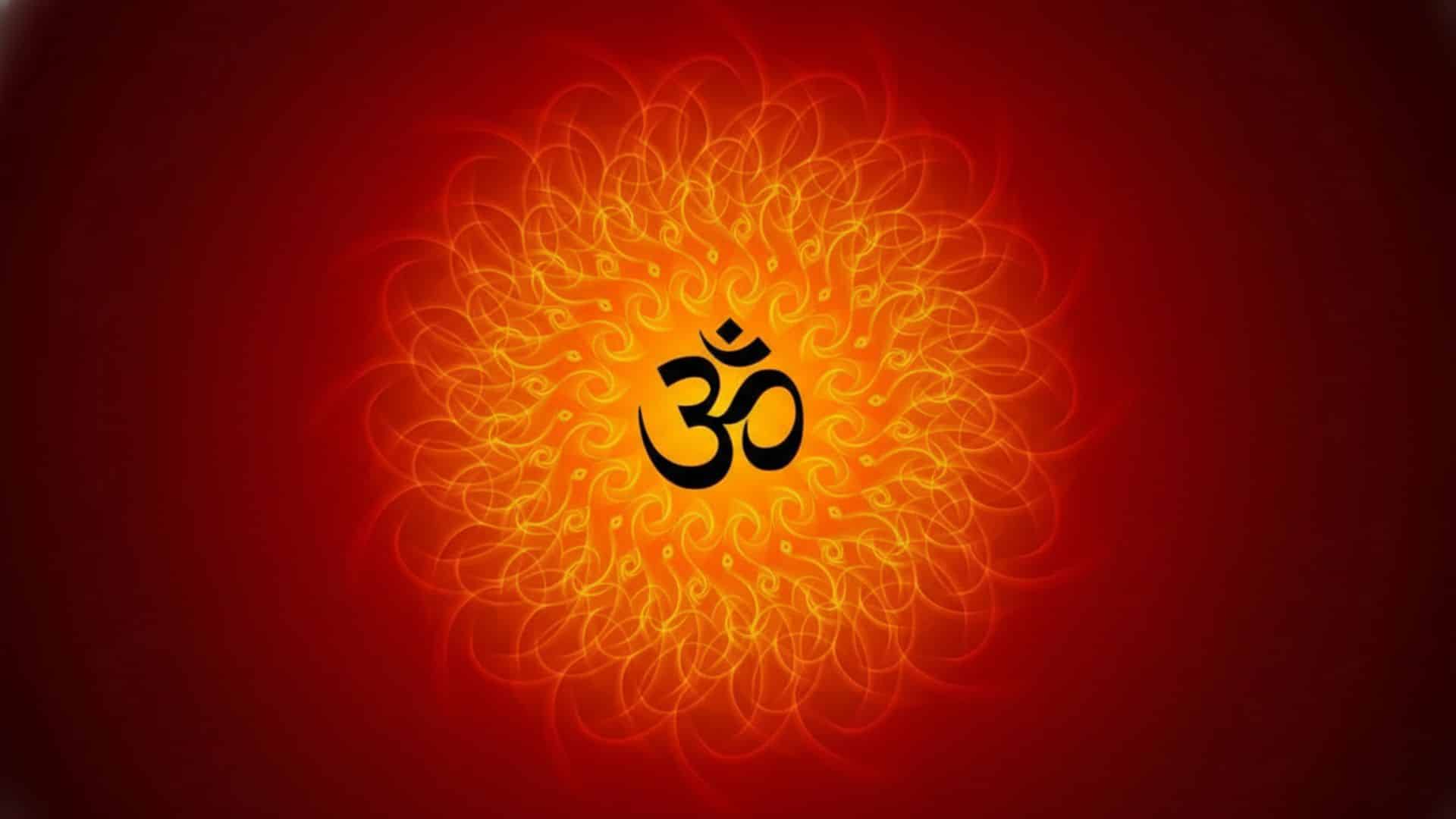
Om (ॐ) represents the universal sound.
Bija mantras are seed syllables: Lam (root chakra), Vam (sacral chakra), Ram (solar plexus). Gayatri Mantra and Shanti Mantra invoke divine qualities through sacred vibrations.
Benefits of Using Sanskrit in Yoga
Sanskrit connects modern practice to ancient wisdom, offering practitioners a deeper understanding and a sense of authenticity beyond simple translation.
1. Universal Language of Yoga: Whether in Tokyo, Mumbai, or New York, yoga classes use the same terms, fostering unity and allowing practitioners to attend classes worldwide without language barriers.2. Enhances Mental Focus: Learning Sanskrit engages the mind differently than familiar language. The concentration required to pronounce terms like “Utkatasana” deepens mindfulness, transforming routine movements into conscious awareness.
3. Connects to Vibrational Energy: Sanskrit is considered a vibrational language where sound frequencies affect consciousness. Ancient texts describe it as “devanagari” (the language of the gods), with inherent spiritual power in its pronunciation and in mantras.
4. Honors Cultural Roots: Using Sanskrit acknowledges yoga’s Indian heritage while preventing cultural appropriation and maintaining authenticity. Understanding the language deepens appreciation for yoga’s philosophical systems.
5. Improves Precision in Practice: Sanskrit names describe anatomical actions and energetic qualities. “Adho Mukha Svanasana” explicitly states “downward-facing dog,” clarifying alignment cues better than generic translations.This linguistic connection transforms yoga from exercise into a holistic spiritual discipline, honoring its 5,000-year heritage while making it accessible to modern practitioners worldwide.
Conclusion
Sanskrit yoga transcends physical postures, offering a complete philosophy for spiritual transformation.
From understanding “yuj” (to unite) to practicing the eight limbs of ashtanga yoga, Sanskrit terminology connects modern practitioners to ancient wisdom.
Whether you’re learning asana names, chanting mantras, or exploring classical texts like the Bhagavad Gita and Yoga Sutras, the language reveals yoga’s actual depth.
By honoring these Sanskrit roots, you preserve authentic teachings while experiencing the vibrational power of this sacred language.
Start incorporating Sanskrit into your practice today, pronounce pose names correctly, understand their meanings, and transform your yoga journey from exercise into holistic self-realization.
Frequently Asked Questions
Is Sanskrit Easy to Learn?
Sanskrit is considered challenging due to its complex grammar and lack of modern conversational practice, but it’s also seen as highly logical and phonetic.
What Is the Hardest Type of Yoga?
The most complex type of yoga is generally considered Ashtanga Yoga.
What Are the 3 A’s of Yoga?
The “3 A’s of Yoga” most commonly refer to Attitude, Alignment, and Action.
What Are the 7 Types of Yoga?
Hatha, Ashtanga, Vinyasa, Iyengar, Kundalini, Restorative, and Yin, each with a unique focus on foundational poses.
Which Pose Is Queen of Yoga?
Shoulderstand, called Sarvangasana in Sanskrit, is one of the most iconic and beneficial postures in yoga.