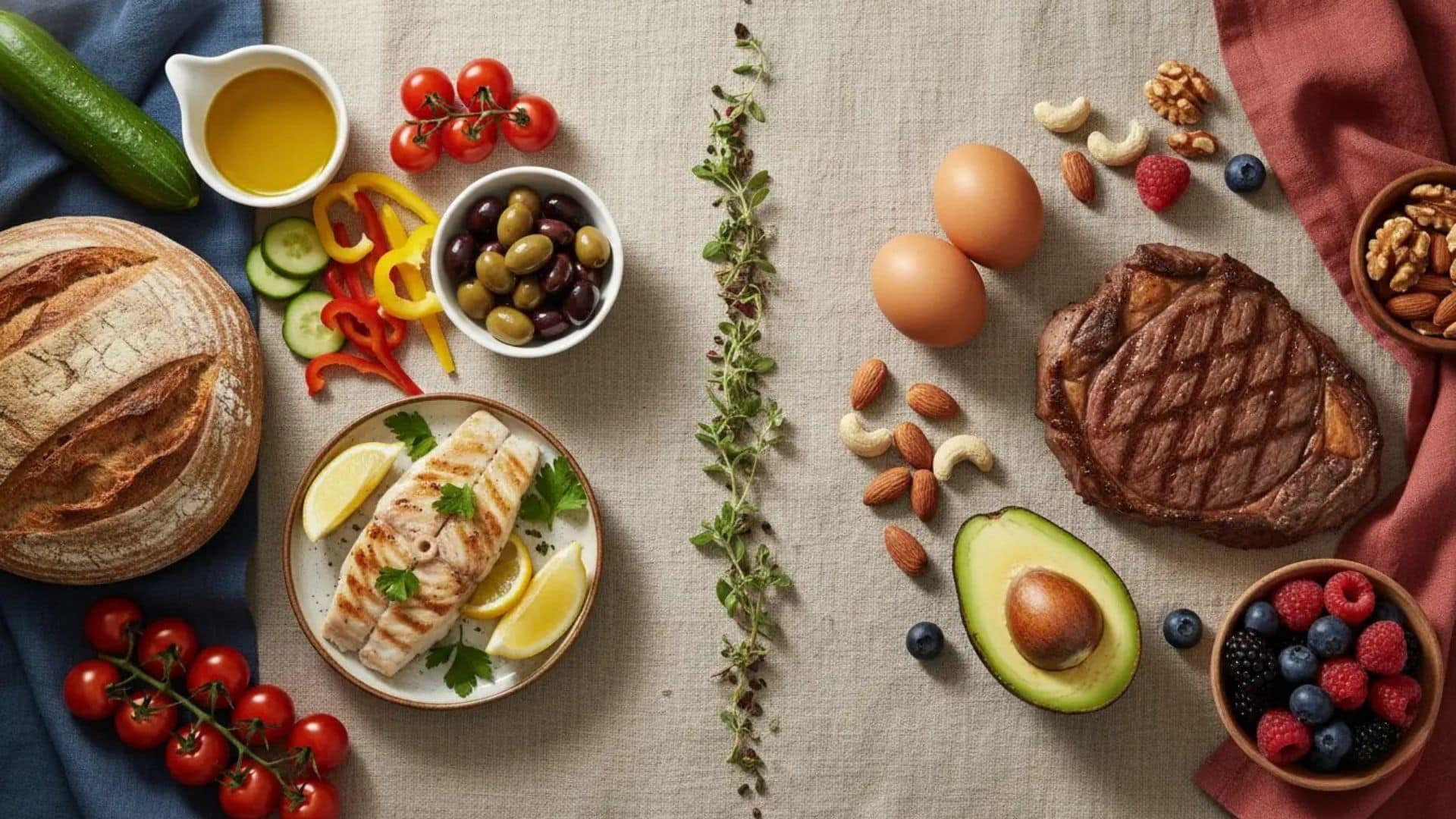
Paleo and Whole30 look almost identical on paper. Same foods, same eliminations, same focus on eating clean. So why do people treat them like completely different things?
Because they are. Paleo is how you eat for life. Whole30 is 30 days of zero exceptions, zero sweeteners, and a restart if you slip up once.
One is a lifestyle. The other is a test. And depending on what you actually need right now, only one of them makes sense for you.
Also read: Paleo vs Keto Diet: Key Differences & Benefits Explained
What Is the Paleo Diet?
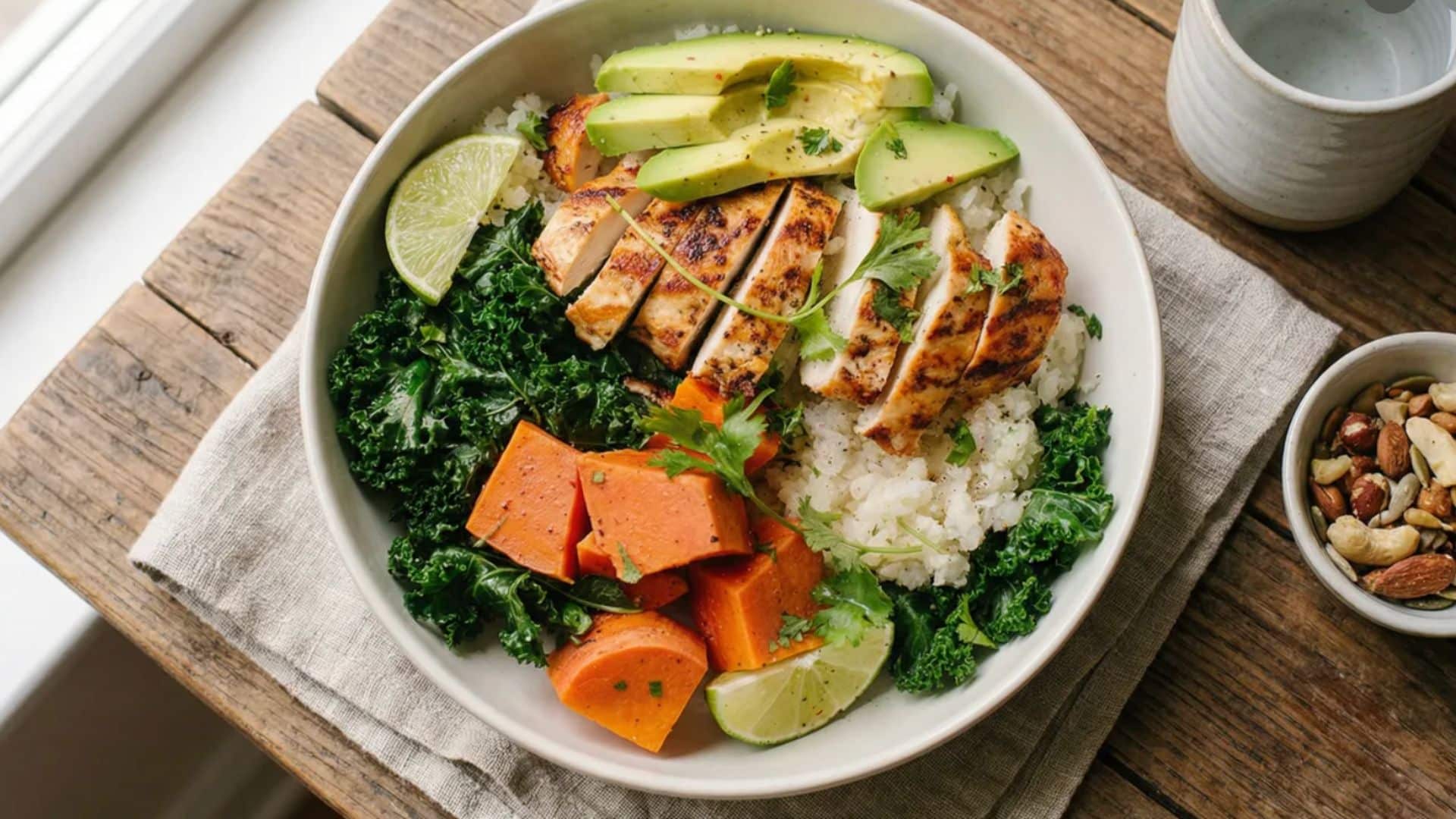
The paleo diet is a long-term eating approach based on the foods available to early humans before agriculture, including meat, fish, eggs, vegetables, fruit, nuts, and natural fats.
It excludes grains, dairy, legumes, refined sugar, and processed foods on the basis that the human body is better adapted to pre-agricultural nutrition.
There is no set end date, no restart rule, and no formal reintroduction phase. You simply eat this way as your default.
Foods to Eat and Avoid on the Paleo Diet
| Eat on Paleo | Avoid on Paleo |
|---|---|
| Beef, chicken, turkey, lamb | Wheat, oats, rice, corn |
| Salmon, tuna, shrimp, cod | Milk, cheese, butter, yogurt |
| All types of eggs | Beans, lentils, peanuts, soy |
| Almost all vegetables | Refined sugar, artificial sweeteners |
| Fruits (moderate amounts) | Packaged, processed foods |
| Almonds, walnuts, sunflower seeds | Vegetable oils (canola, soybean) |
| Olive oil, avocado oil, coconut oil | Sugary drinks and snacks |
| Honey, maple syrup (natural sweeteners) | Fried and fast foods |
The focus is on avoiding anything that didn’t exist in a pre-agricultural world. If it comes in a box or has a long ingredient list, it’s probably not paleo.
Is Paleo Meant for Long-Term Use?
Yes, and that’s the point. Paleo isn’t a short-term fix. It’s designed to be a permanent way of eating. There’s no set end date. No restart button. You simply eat this way as your normal lifestyle, making adjustments as you go.
Some people follow it strictly 100% of the time. Others follow an 80/20 rule: eating paleo most of the time and allowing occasional exceptions.
That flexibility is one reason paleo tends to be easier to stick with over months and years.
While the Paleo diet focuses on long-term eating patterns inspired by our ancestors, Whole30 takes a more structured, short-term elimination approach.
What Is the Whole30 Program?

Whole30 is not a diet in the traditional sense. It’s a structured 30-day program designed to reset your relationship with food. The rules are strict, the timeline is fixed, and the goal goes far beyond weight loss.
Whole30 was created by Melissa Hartwig Urban and Dallas Hartwig in 2009. The idea was to give people a clean slate, a full month of eating only whole foods, so they could see exactly how different foods affect their bodies.
Many people don’t realize how much certain foods mess with their energy, mood, digestion, or sleep. Whole30 forces you to eliminate the most common culprits so you can finally figure out what’s causing the problem.
Official Whole30 Rules Explained
Whole30 has very specific rules, and they are non-negotiable during the 30 days:
| Allowed | Not Allowed |
|---|---|
| Meat, seafood, and eggs | Sugar of any kind (including honey & maple) |
| All vegetables | Alcohol (even in cooking) |
| Fruits (in moderation) | Grains (all of them) |
| Nuts and seeds (except peanuts) | Dairy (all of it) |
| Natural fats: olive oil, avocado, coconut oil | Legumes (including soy & peanuts) |
| Paleo-style ingredients (used in moderation) | Processed additives (MSG, carrageenan) |
| Healthy snacks (like extra nuts) | Paleo-style baked goods/treats |
| Herbs, spices, and seasonings | Fried and fast foods |
That last rule surprises many people. Even if you make cookies using only Whole30-approved ingredients, they’re still off-limits. The program calls these “sex with your pants on” foods.
The rules also include:
- No stepping on a scale during the 30 days
- No measuring body parts
- No cheat days, not even one
If you break a rule, you start over from Day 1.
The Reintroduction Phase and Why It Matters
After the 30 days, you don’t just go back to eating whatever you want. Whole30 includes a structured reintroduction phase. You add one food group back at a time, and then monitor your body’s response for two days before adding anything else.
This process helps you figure out which specific foods cause symptoms like bloating, fatigue, skin issues, or brain fog. This phase is often where the real insight happens.
Can Whole30 Be Followed Long Term?
No, and it’s not meant to be. The 30-day program is intentionally short. The goal is to complete it, learn from it, and then build your own long-term eating plan based on what you uncovered.
Some people do run multiple rounds of Whole30 throughout the year, but living on Whole30 rules permanently would be extremely difficult for most people. The restrictions are too tight for most social situations and everyday life.
Paleo vs Whole30: Side-by-Side Comparison
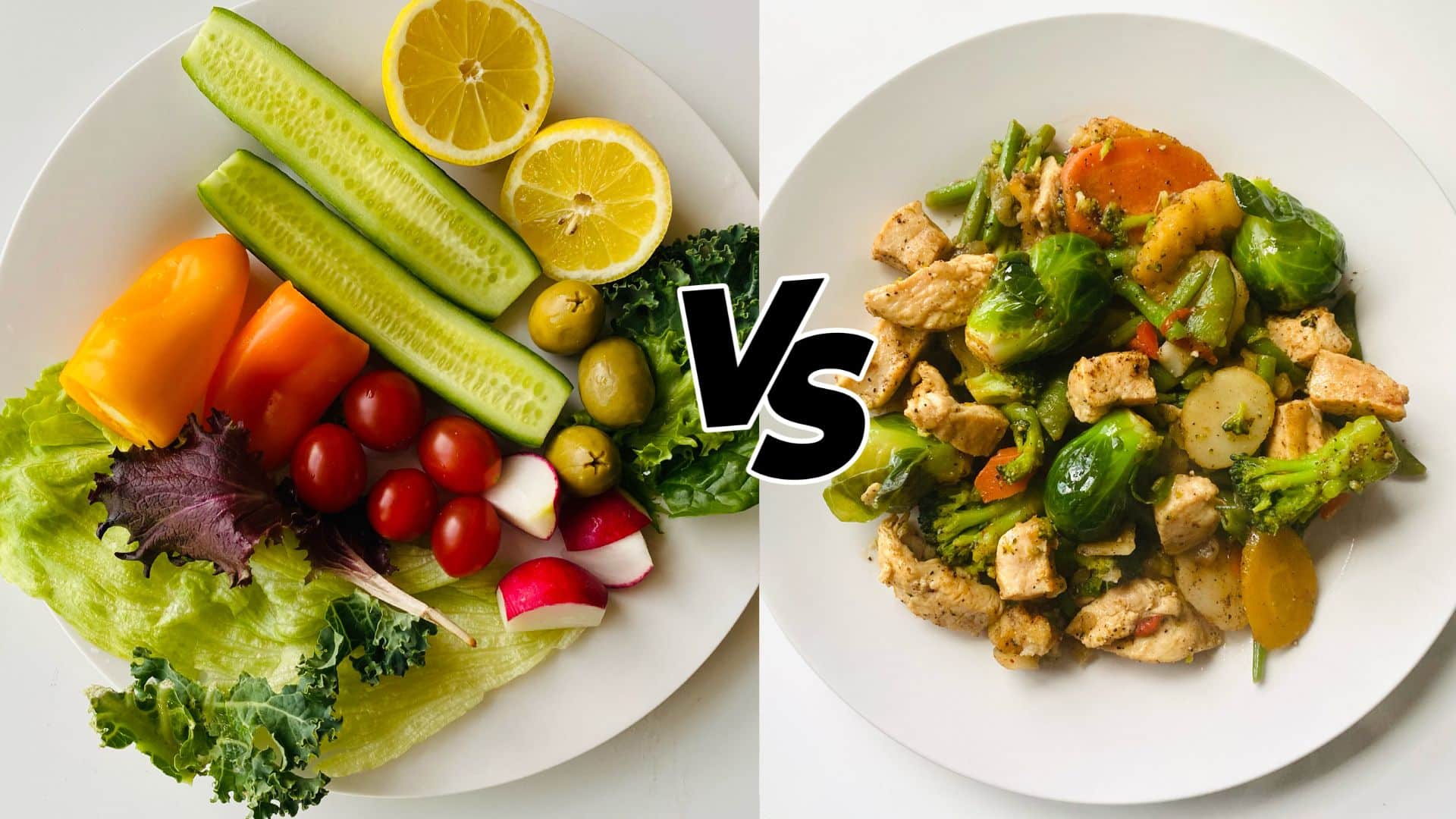
Let’s put these two head-to-head across the areas where they actually differ.
Duration and Structure
| Type | Paleo | Whole30 |
|---|---|---|
| Length | Ongoing lifestyle | 30-day program |
| Structure | Flexible, no set rules | Strict, defined rules |
| End date | None | Day 30 |
| Restart | N/A | Required if rules are broken |
Paleo gives you freedom to adjust over time. Whole30 has a start date, an end date, and clear expectations.
Sweeteners and Added Sugar Rules
This is one of the clearest differences between the two.
Paleo: allows natural sweeteners like honey, maple syrup, and coconut sugar. You can bake paleo desserts and eat paleo-friendly treats regularly.
Whole30: bans all added sugar, including honey and maple syrup. Even if a product has no refined sugar, if it’s sweetened in any way, it’s out.
Alcohol Guidelines
Paleo: Some versions allow occasional alcohol, especially wine or spirits without additives. It’s left largely to personal judgment.
Whole30: Zero alcohol allowed. Not even vanilla extract with alcohol. And since cooking burns off the alcohol but not the flavor, even cooking with wine is off the table.
Flexibility and “Cheat” Policies
Paleo: flexible by design. Many followers use an 80/20 approach: sticking to paleo the vast majority of the time and allowing some flexibility for special occasions.
Whole30: no flexibility during the 30 days. One bite of off-plan food means starting over at Day 1. This strictness is intentional; it’s part of what makes the program effective as a reset tool.
Reintroduction of Eliminated Foods
Paleo: No formal reintroduction. You eliminate foods and simply don’t bring them back unless you choose to.
Whole30: Includes a formal, step-by-step reintroduction protocol. Each food group is added back one at a time so you can track your body’s response clearly.
Before focusing on their differences, it’s helpful to first examine what Paleo and Whole30 have in common.
Similarities Between Paleo and Whole30

Despite their differences, these two programs share a lot of common ground. That’s why people often compare them, and why transitioning from one to the other is fairly straightforward.
Whole Food Focus
- Both paleo and Whole30 are built around the same idea: eat real food. Not packaged, processed, or artificial.
- Both programs push you away from fast food, boxed snacks, and convenience meals, and toward food you actually prepare from scratch.
Elimination of Grains, Dairy, and Legumes
- Both programs eliminate: all grains, all dairy products, and all legumes (beans, lentils, chickpeas, peanuts).
- The reasoning is slightly different. Paleo cuts these because they didn’t exist in pre-agricultural diets. Whole30 excludes them because they’re common food-sensitivity triggers. But the result on your plate looks the same.
Emphasis on Protein, Vegetables, and Healthy Fats
- Both diets center your meals around quality protein(meat, fish, eggs, lots of vegetables), especially non-starchy ones, healthy fats(avocado, olive oil, coconut oil, nuts)
- This combination tends to keep people full, stabilize blood sugar, and reduce cravings, a principle shared by many whole-food eating philosophies, including the way yogis approach food and eating.
No Calorie Counting Required
- Neither program asks you to track calories, measure portions, or log macros. You eat until you’re satisfied, focusing on food quality rather than quantity.
- This is a relief for people who’ve spent years obsessing over numbers. Both programs shift the focus to what you eat rather than how much.
Beyond their similarities, the distinctions that truly influence results come down to structure, rules, and long-term sustainability.
Key Differences that Matter Most in Paleo vs Whole30
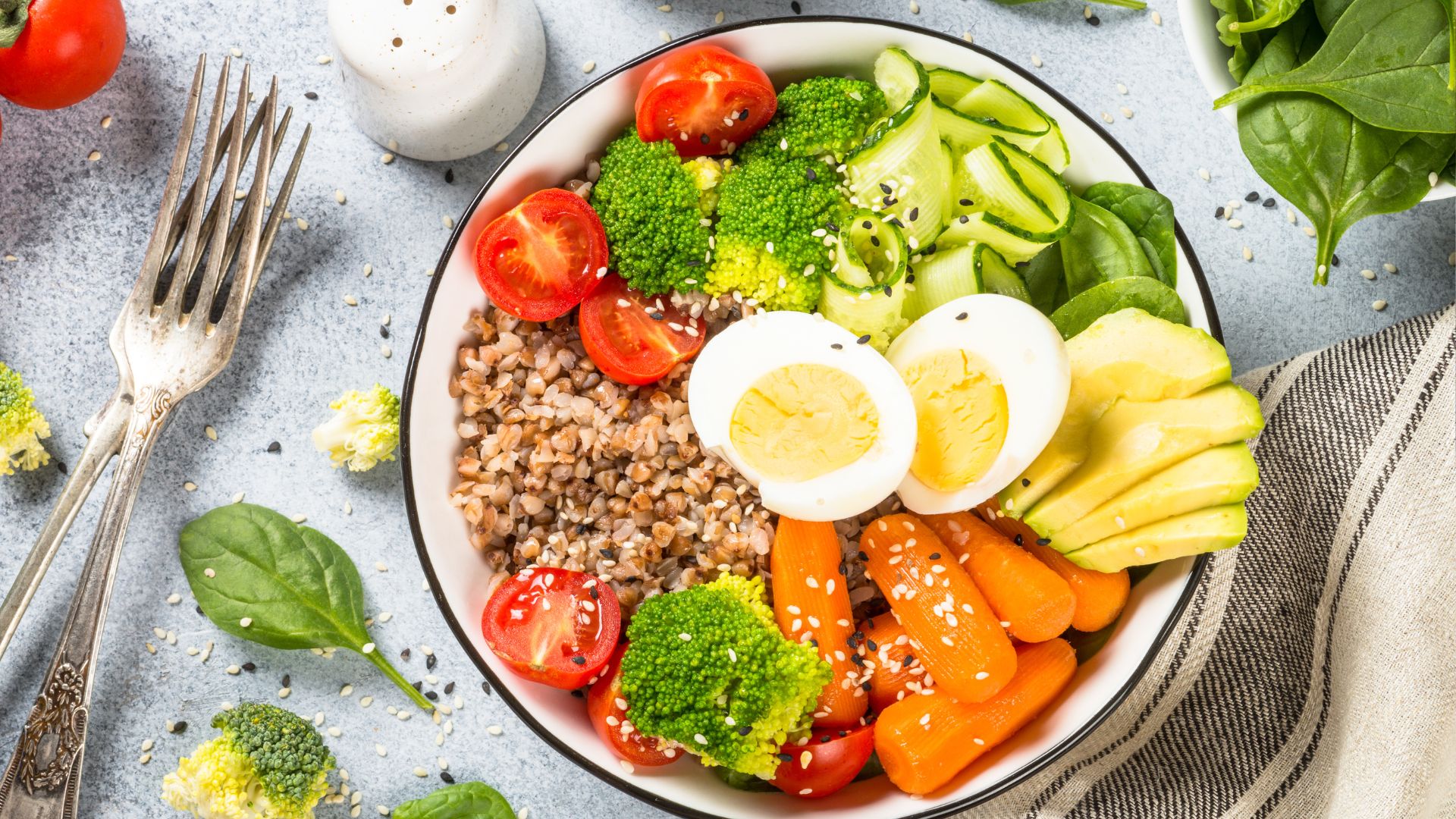
Now let’s look at the differences that could actually affect which program is right for you.
Strictness Level
- Whole30 is significantly stricter than paleo. The no-exceptions rule during 30 days means one mistake resets your entire progress.
- Paleo, by contrast, allows you to find your own level of commitment.
Behavioral and Habit Reset Focus
- Whole30 specifically targets your emotional relationship with eating & encourages you to think about: “Why do you reach for food when you’re stressed,” “How do you use sugar as a reward,” “What triggers your cravings.”
- These aren’t questions paleo asks. Paleo is about food choices, not behavioral patterns.
Lifestyle Sustainability
- Long-term, paleo is far easier to maintain. The flexibility to include natural sweeteners, allow occasional alcohol, and adjust your own rules means paleo can fit into real life.
- Whole30 is not built for sustainability. It’s built for impact. You do it for 30 days, you learn, and you move forward.
Approach to Natural Sweeteners
- Paleo sees honey or maple syrup as natural, ancestral foods, fine in moderation.
- Whole30 considers any sweetener, natural or not, to keep your sugar cravings alive. So they eliminate all of it.
Paleo vs Whole30 for Weight Loss

Both programs can lead to weight loss, but the way they work and the timeline are very different.
Short-Term Weight Changes on Whole30
Most people lose weight on Whole30, mainly from water loss due to cutting carbs and processed foods, reduced calorie intake, and improved digestion.
Results vary: some drop 10-15 pounds in 30 days, while others see little change on the scale but experience big boosts in energy and digestive health.
Long-Term Weight Management on Paleo
Paleo isn’t about rapid weight loss but building sustainable habits for a healthy weight.
Paleo diets can reduce body weight and waist size, likely due to their high protein and fiber content and low refined-carb intake. Long-term results depend on how consistently the diet is followed.
What Actually Drives Results
Weight loss on either plan comes down to a few key factors:
- Removing processed foods: both plans do this
- Eating more protein and fiber: both plans support this
- Reducing sugar: Whole30 is stricter here
- Consistent habits: this is where paleo has the edge long-term
Neither program is a magic fix. Both require commitment, real food preparation, and a willingness to change how you eat on a daily basis.
Health Benefits and Potential Risks of Paleo vs Whole30

Choosing between the Paleo and Whole30 diets means weighing not just what’s on your plate, but how each approach may impact your long-term health.
Possible Benefits of Paleo
Research suggests paleo-style eating may support:
- Blood sugar regulation: lower glycemic load from cutting grains
- Reduced inflammation: from eliminating processed oils and refined carbs
- Improved cholesterol profiles: in some studies
- Better satiety: due to high protein and fat content
- Digestive health: from increased vegetable and fiber intake
For people managing conditions like type 2 diabetes, metabolic syndrome, or autoimmune issues, paleo-style eating has shown promise in several clinical studies.
Possible Benefits of Whole30
Whole30 offers a different type of value:
- Food sensitivity identification: through the reintroduction phase
- Breaking sugar dependence: by cutting all sweeteners for 30 days
- Improved energy and sleep: reported frequently by program completers
- Reduced bloating: from cutting common digestive irritants
- Mindset shift around food: particularly emotional eating patterns
Many Whole30 alumni report that completing the program has permanently changed how they think about food, even if they don’t follow the Whole30 rules afterward.
Nutrient Gaps and Restriction Concerns
Both programs eliminate entire food groups, which can create nutritional gaps if you’re not careful.
Common concerns include:
- Calcium: Cutting dairy reduces your primary dietary source
- Fiber: Legumes are a major fiber source for many people
- B vitamins: Whole grains contribute meaningfully to B vitamin intake
- Vitamin D: Fatty fish and eggs help, but supplementation may still be needed
For people who want a whole-food framework without eliminating grains and legumes, a plant-focused Mediterranean approach offers an alternative worth considering.
Both programs also require a significant amount of food preparation time. If you don’t cook regularly, both paleo and Whole30 can feel overwhelming at first.
|
Talk to your doctor or a registered dietitian if you:
Both programs involve meaningful dietary restriction. Professional guidance makes that process safer and more effective. |
With both the advantages and risks in mind, the decision ultimately comes down to your personal goals and lifestyle.
Paleo vs. Whole30: How to Decide
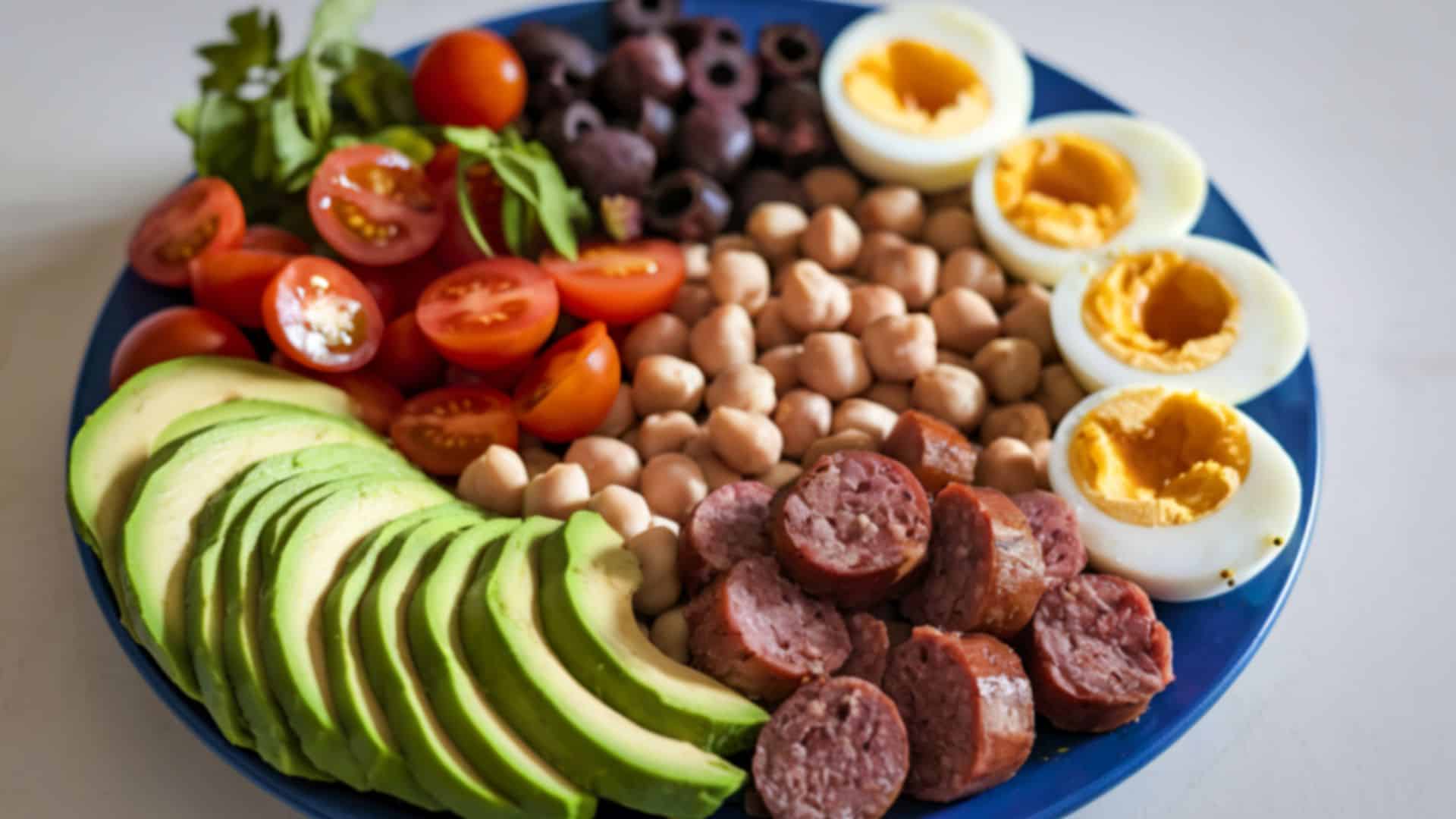
Choosing between Paleo and Whole30 starts with understanding whether you’re looking for a long-term lifestyle change or a short-term reset.
Choose paleo if:
- You want a long-term eating lifestyle, not a short program
- You need flexibility to stay consistent in real-world situations
- You already know which foods work for you and just want a clean eating framework
- You enjoy natural sweeteners and don’t want to give them up entirely
Choose Whole30 if:
- You want to identify specific food sensitivities
- You need a structured reset to break sugar cravings or emotional eating
- You respond well to clear, firm rules rather than general guidelines
- You’re starting from scratch and need a defined starting point
If you want to change how you eat forever, start with paleo. If you want to figure out what’s been affecting your health, start with Whole30. And if you want both? Do Whole30 first.
Neither program is perfect for every person. But both can meaningfully improve how you eat, how you feel, and how you think about food when followed with real commitment and clear personal goals.
Conclusion
The paleo vs Whole30 debate doesn’t have one universal winner; it has the right answer for you.
If your goal is to build a lasting, clean-eating lifestyle without rigid rules, paleo provides that foundation.
If you want to reset your habits, break free from sugar cravings, or finally figure out which foods are affecting your health, Whole30’s 30-day structure delivers results that paleo simply can’t match.
Many people get the best of both by starting with Whole30, learning from the reintroduction phase, and then shifting into paleo as their everyday approach.
Whichever path you choose, the real win is moving toward whole, real food, and away from the processed stuff that holds most people back.
What’s your next step going to be?
Frequently Asked Questions
Can You Do Whole30 and Paleo at the Same Time?
Yes. The two overlap significantly. During your 30 days, simply follow Whole30 rules, which are stricter. After finishing, transition into paleo as your long-term framework.
What Happens to Your Body After Whole30 Ends?
The reintroduction phase begins. You add one food group back every two to three days and monitor for symptoms like bloating, fatigue, or skin changes to identify your personal food triggers.
Does Paleo Allow Coffee?
Yes. Black coffee and coffee with compliant milk alternatives are generally accepted on paleo. Whole30 also permits black coffee but prohibits most creamers and sweetened additions.
Is the Paleo Diet Safe Long Term?
For most healthy adults, yes. The main risks are reduced calcium and fiber intake from cutting dairy and legumes. Working with a registered dietitian helps close those nutritional gaps over time.
Can You Build Muscle on Paleo or Whole30?
Yes on both. High protein intake from meat, fish, and eggs supports muscle protein synthesis. Neither program restricts calories or protein, so muscle building is viable when training volume is sufficient.
Do You Have to Exercise on Whole30 or Paleo?
Neither program requires exercise. Both focus on food quality only. That said, pairing either approach with regular physical activity produces better outcomes for body composition, energy, and long-term health than diet alone.