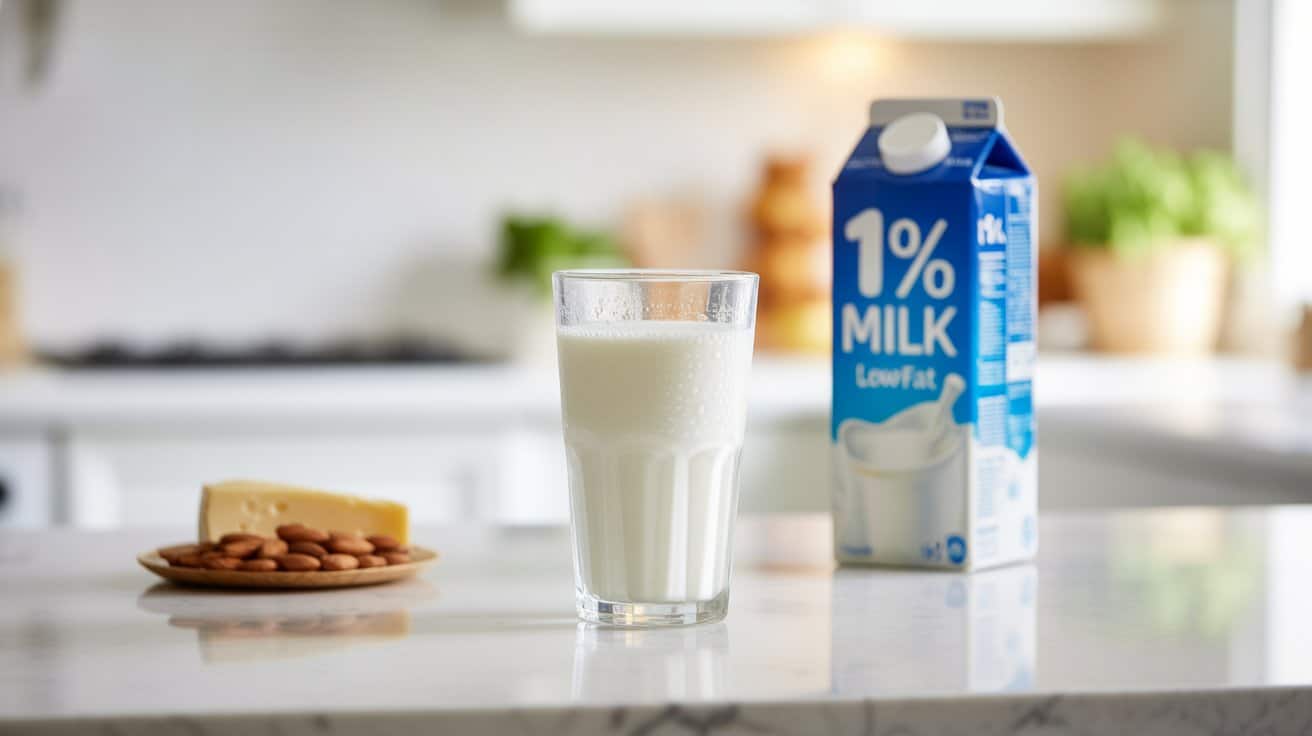
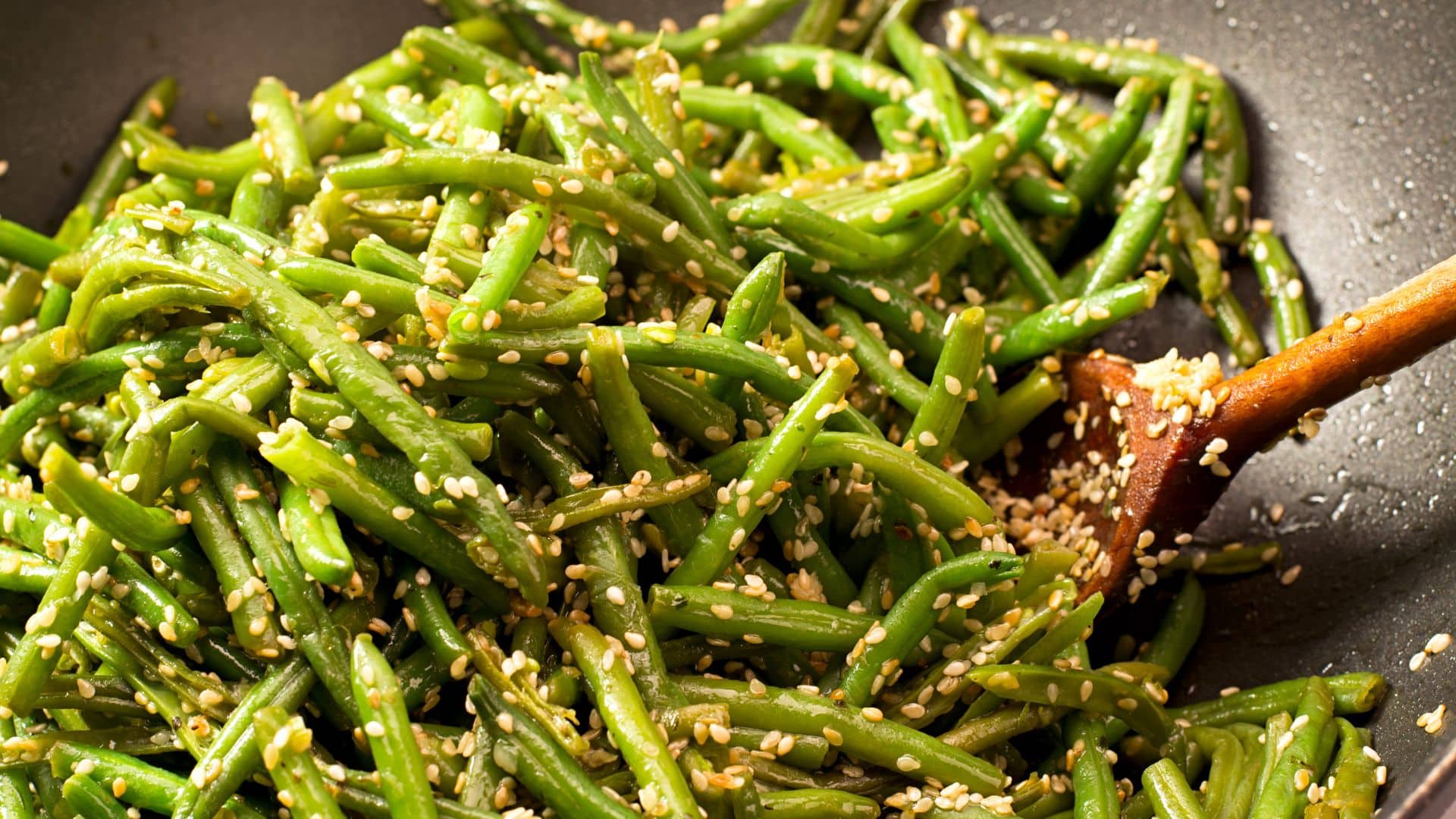
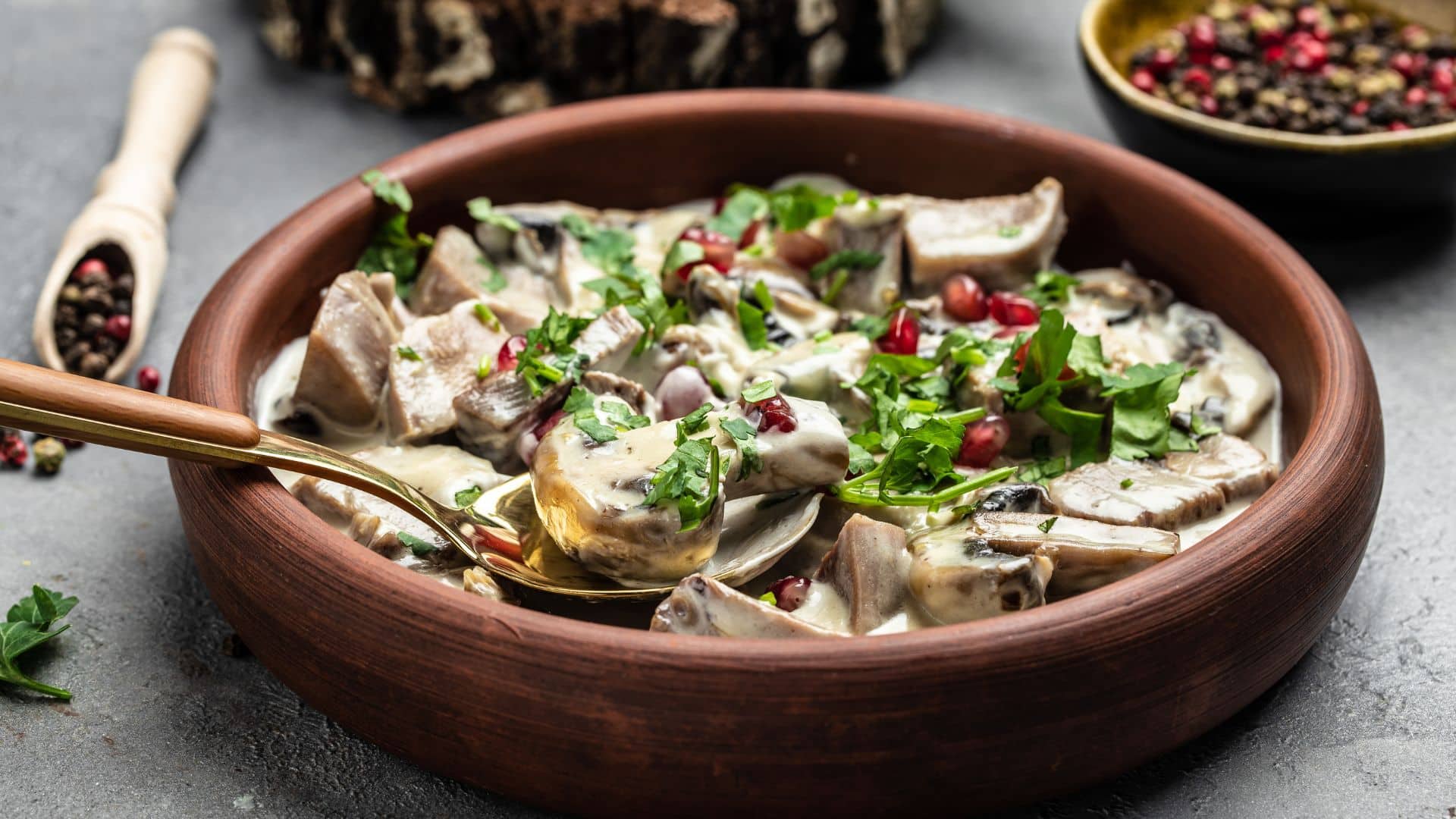
Choosing the right diet can feel overwhelming, especially when two popular options, the Mediterranean and Paleo diets, both promise impressive health benefits.
While they share a common love for whole foods, they are built on very different philosophies.
One offers flexibility and decades of clinical research; the other offers structure and a back-to-basics approach.
This guide breaks down both diets side by side, covering health benefits, costs, practicality, and science, so you can confidently decide which eating pattern truly fits your life.
What is the Mediterranean Diet?
The Mediterranean diet is inspired by the traditional eating habits of countries bordering the Mediterranean Sea, including Greece, Italy, Spain, and parts of the Middle East.
Popularized in the 1990s by Harvard T.H. Chan School of Public Health, it is one of only three diets recommended in the 2020–2025 U.S. Dietary Guidelines.
Rather than a strict rulebook, it is a lifestyle built on balance and variety, centered on fresh, whole ingredients like olive oil, legumes, seasonal produce, and fish that have sustained coastal populations for centuries.
- Eat abundantly: Vegetables, fruits, whole grains, legumes, nuts, olive oil
- Eat moderately: Fish, poultry, eggs, dairy (cheese/yogurt), red wine
- Eat sparingly: Red meat, added sugars, processed foods
Its nutritional profile is rich in fiber, healthy fats from olive oil, lean protein from fish, and powerful antioxidants.
The diet is also remarkably flexible and works just as well for plant-based eaters as for omnivores, without compromising its well-documented health benefits.
What is the Paleo Diet?
The Paleo diet is based on what our Paleolithic ancestors ate roughly 2.5 million to 10,000 years ago, before farming and food processing existed.
Conceptualized by researcher Loren Cordain and popularized through the CrossFit community in the 2000s, it is often called the caveman or hunter-gatherer diet.
Registered Dietitian Lori Chong of Ohio State University Wexner Medical Center describes it simply: “It’s a diet based on the idea that we’re supposed to eat like our Paleolithic ancestors, before farming and food factories.”
- Encouraged: Lean meats (grass-fed), fish, eggs, fruits, vegetables, nuts, seeds
- Restricted: Grains, legumes, dairy, alcohol, refined sugars, processed oils, salt
The result is a low-carb, high-protein, higher-fat eating pattern with a clear set of rules, one that shares philosophical DNA with other elimination-based approaches like Whole30, though the two differ meaningfully in their goals and restrictions.
Mediterranean Diet vs Paleo Diet
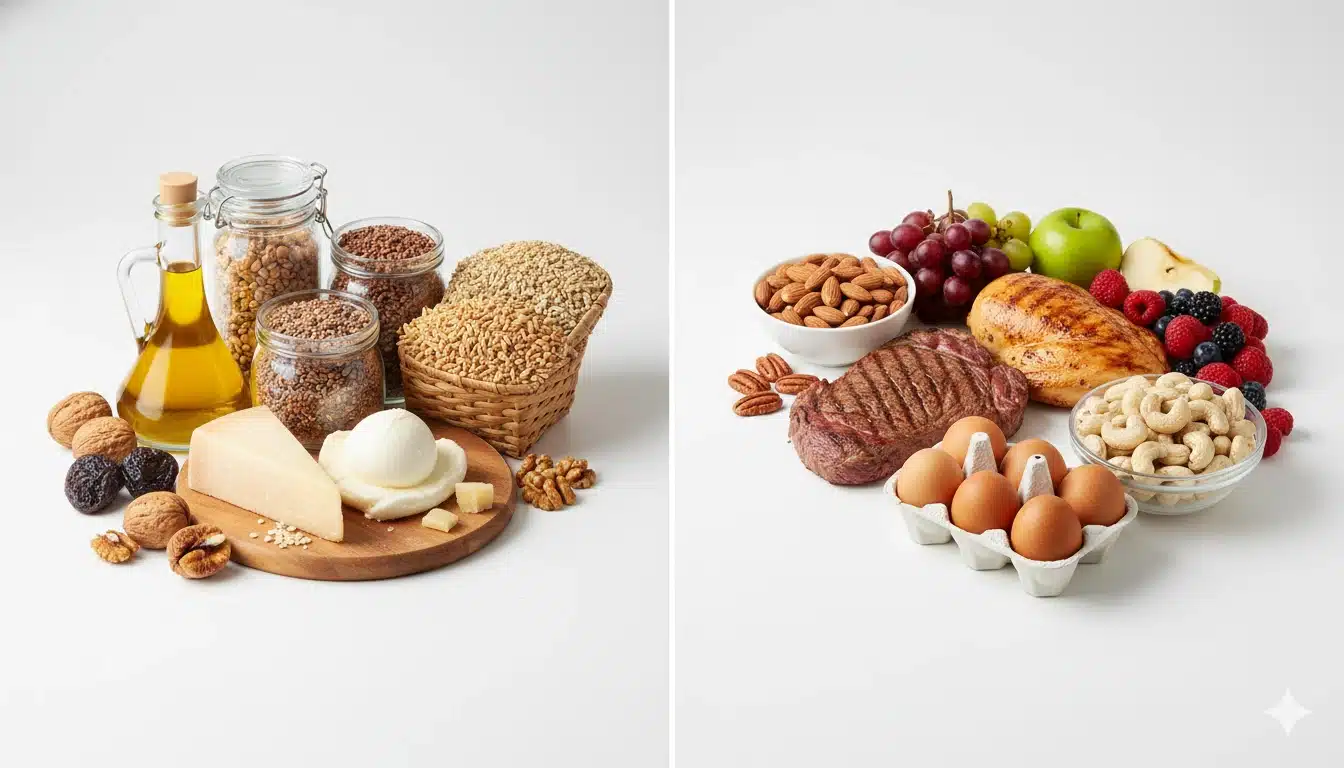
They may share the same whole-food foundation, but a closer look reveals just how differently these two diets define healthy eating.
Here is a quick comparison table:
| Feature | Mediterranean Diet | Paleo Diet |
|---|---|---|
| Grains | Whole grains allowed | Eliminated |
| Legumes | Encouraged | Eliminated |
| Dairy | Moderate (cheese, yogurt) | Eliminated |
| Red Meat | Limited | Allowed (grass-fed) |
| Olive Oil | Primary fat source | Allowed |
| Processed Foods | Discouraged | Eliminated |
| Alcohol | Moderate (red wine) | Restricted |
| Calorie Counting | Not required | Not required |
| Strictness | Flexible | Restrictive |
| Cost | Moderate | Higher |
Both diets emphasize whole foods, discourage ultra-processed items, and require no calorie tracking.
The critical difference is that Paleo eliminates entire food groups, including grains, legumes, and dairy, that the Mediterranean diet not only allows but actively encourages.
Health Benefits: What Does the Science Say?
Both diets make bold health claims, but the strength of the evidence supporting those claims tells a very different story for each.
1. Heart Health
The Mediterranean diet leads here with strong, long-term clinical evidence. The landmark PREDIMED trial and Lyon Diet Heart Study both demonstrated significant cardiovascular benefits.
A 25-year cohort study of 25,000 U.S. women published in JAMA Network Open found that greater adherence to the Mediterranean diet was associated with a 23% lower risk of all-cause mortality.
Paleo’s cardiovascular evidence remains limited. Most trials are small, short-term, and focused on intermediate markers rather than hard outcomes.
Researchers from a 2024 Cardiovascular Diabetology review called for larger, higher-quality studies before drawing firm conclusions.
2. Blood Sugar and Diabetes
A meta-analysis of randomized controlled trials found the Mediterranean diet reduces HbA1c by approximately 0.39% in patients with Type 2 diabetes, along with improvements in fasting glucose and blood pressure.
Paleo shows promising short-term results in 8 to 12-week studies, but sample sizes are small and follow-up periods too brief to draw lasting conclusions.
3. Weight Loss
Both diets support weight loss by cutting processed foods.
A 3-year Mediterranean diet study using DEXA scans showed significant reductions in total and visceral fat while preserving lean muscle mass.
Paleo’s higher protein content can curb appetite and support faster short-term fat loss, but long-term adherence tends to be harder.
4. Nutrient Deficiency Risk
This is where Paleo falls short. Eliminating dairy, legumes, and whole grains creates a real risk of deficiencies in calcium, Vitamin D, Vitamin B12, iron, magnesium, zinc, and fiber.
The Mediterranean diet carries a much lower risk of nutrient deficiencies, given its variety of foods and inclusion of food groups.
Who Should Choose Which Diet?
Choose the Mediterranean Diet: If you want a flexible, sustainable, long-term eating pattern; have cardiovascular disease risk or want proven heart protection; have a moderate food budget; eat out regularly or value the freedom to social dine; or prefer variety and do not want to eliminate entire food groups.
Choose the Paleo Diet: If you prefer a clearly defined, structured eating plan, are focused on short-term weight loss or blood sugar control, follow high-intensity training like CrossFit, are already avoiding grains or dairy for personal or medical reasons, or want to aggressively remove all processed foods from your diet.
As Kristen Fleming, MS, RD, puts it: “Go for the one that suits your lifestyle well enough to ensure that you can follow it and enjoy maximum benefits.”
It is also worth noting that Paleo is often compared to other low-carb frameworks, and while it overlaps with ketogenic eating, the two differ significantly in how they treat fat, protein, and food quality.
Sample Day on Each Diet
Reading about a diet is one thing, but seeing it on a plate makes it far easier to picture yourself actually following it. Here is what a typical day of eating looks like on both plans.
Mediterranean Diet:
- Breakfast: Greek yogurt with berries, walnuts, and honey
- Lunch: Whole-grain pita with hummus, grilled chicken, cucumber, and tomatoes
- Dinner: Baked salmon with roasted vegetables and quinoa
- Snack: Mixed nuts and an apple
Paleo Diet:
- Breakfast: Scrambled eggs with spinach, mushrooms, and avocado
- Lunch: Grilled chicken salad with olive oil-lemon dressing and seeds
- Dinner: Grass-fed beef stir-fry with broccoli and bell peppers
- Snack: Fresh fruit with almond butter, and contrary to what many assume, the diet does not require giving up sweets entirely, since compliant Paleo desserts made from nuts, fruit, and natural sweeteners fit well within its boundaries
Conclusion
Neither diet is universally best. The right choice depends on your health goals, lifestyle, and what you can realistically sustain.
If you want flexibility, proven long-term health benefits, and an easier daily routine, the Mediterranean diet is hard to beat. If you prefer clear rules and thrive on structure, Paleo is worth exploring.
Regardless of which path you choose, nutrition researcher David Katz said it best: a diet of minimally processed foods, close to nature and predominantly plant-based, is what truly supports long-term health.
Always consult a registered dietitian before making major dietary changes.
Frequently Asked Questions
What Is the Healthiest Diet in The World?
The Mediterranean diet is one of the healthy eating plans that American nutrition experts recommend.
Does the Mediterranean Diet Lower Triglycerides?
It helps lower your cholesterol and triglyceride levels and improve your blood pressure, which can reduce your risk of heart attack and stroke.
Are Eggs Ok for A Paleo Diet?
A modern paleo diet includes fruits, vegetables, lean meats, fish, eggs, nuts, and seeds.
Why Is There No Chicken on The Mediterranean Diet?
The Mediterranean diet emphasizes whole foods and healthy fats. Chicken is a lean protein source suitable for this diet.
What Is the Number One Protein on The Mediterranean Diet?
Legumes, in particular, are the No. 1 protein you should eat more of on the Mediterranean diet.