You’ve probably used sunflower oil dozens of times without a second thought. It sits quietly in your pantry, you pour it into the pan, and dinner gets made.
But lately, it has been at the center of a heated debate over nutrition. Is it a heart-healthy staple or a silent health hazard slowly working against you?
The truth, as nutrition science so often reveals, sits somewhere in the middle.
This article breaks down the real benefits and genuine risks of sunflower oil, backed by dietary research and expert guidance, so you can make a fully informed decision about whether it deserves a permanent spot in your kitchen.
What is Sunflower Oil?
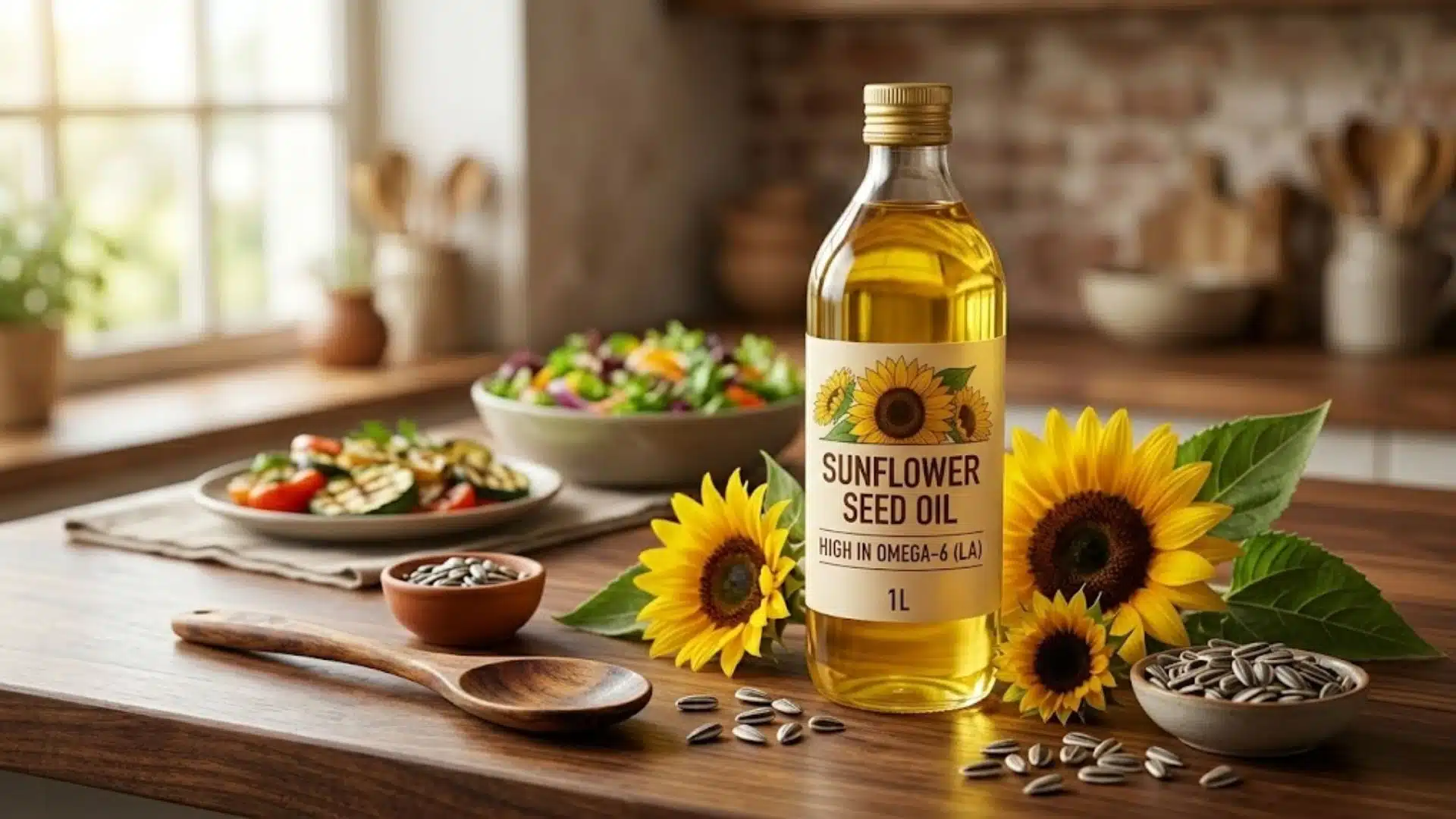
Before judging it, it helps to actually understand what you’re working with. Sunflower oil is extracted from the seeds of the sunflower plant and is one of the most widely used cooking oils in the world. It comes in three main varieties:
- High-linoleic: Most common; rich in omega-6 polyunsaturated fats
- High-oleic: Richer in monounsaturated fats; more stable for cooking
- Mid-oleic (NuSun): A balanced hybrid of the two
Per tablespoon, it provides around 120 calories, 14g of fat, virtually no saturated fat, and a solid dose of Vitamin E, which is a powerful antioxidant.
The type you choose largely determines whether it turns out to be healthy or harmful.
The Benefits of Sunflower Oil
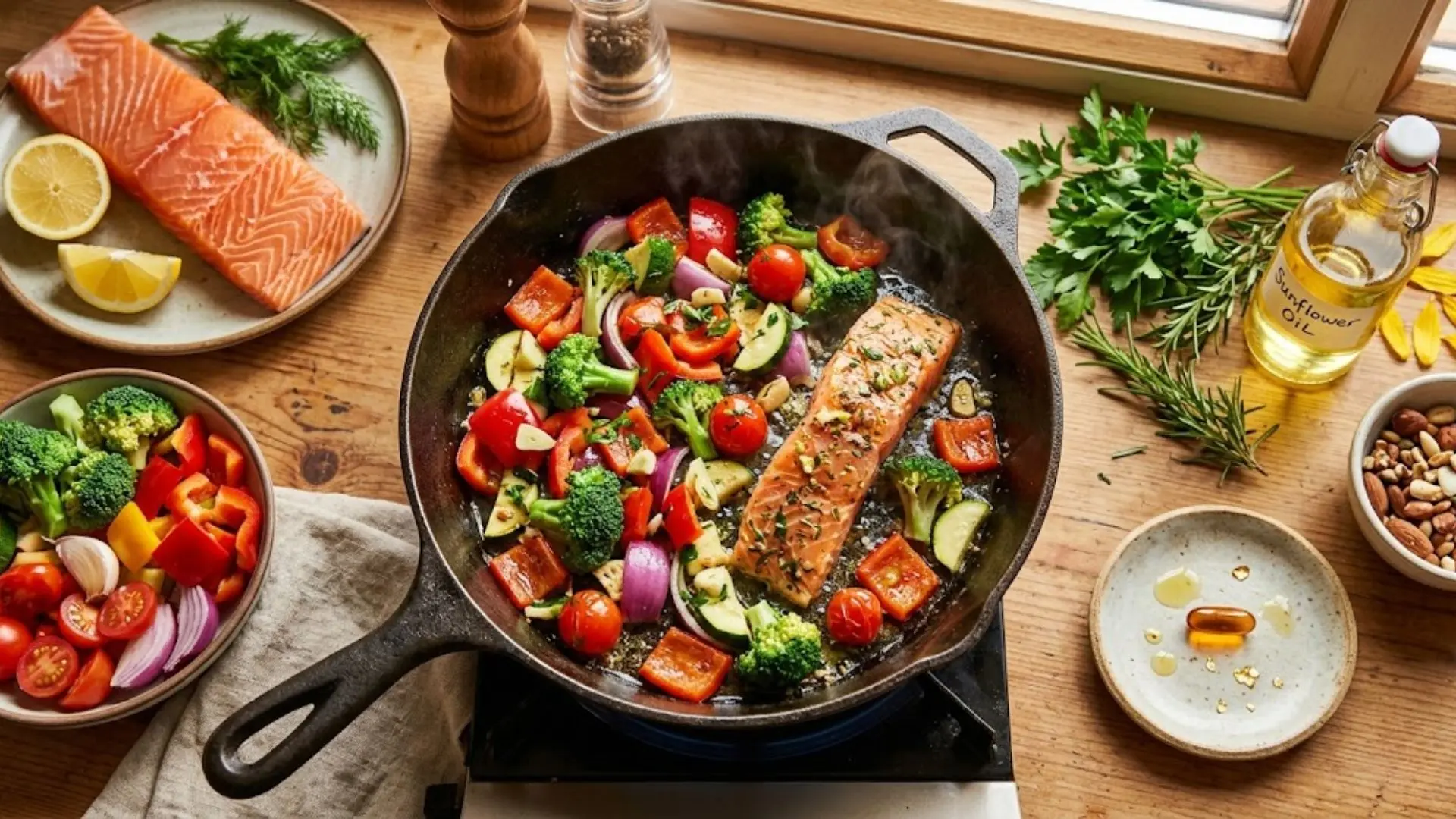
There are real, science-backed reasons why sunflower oil has earned its spot in kitchens around the world. It is not all bad news, and it would be unfair to dismiss it without acknowledging what it genuinely brings to the table.
1. Exceptional Vitamin E Content: Sunflower oil is one of the richest dietary sources of alpha-tocopherol, which is the most active form of Vitamin E.
Just one tablespoon covers nearly 30% of your daily recommended intake. According to the National Institutes of Health (NIH), Vitamin E supports immune function, protects cells from oxidative damage, and promotes skin health.
2. Heart-Supportive Fats in the High-Oleic Variety: High-oleic sunflower oil contains monounsaturated fats comparable to those found in olive oil.
The American Heart Association (AHA) recommends replacing saturated fats with unsaturated alternatives to support cardiovascular health, and high-oleic sunflower oil fits that profile well.
3. Cholesterol-Free with a High Smoke Point: As a plant-based oil, it contains zero dietary cholesterol.
Its refined form has a smoke point of around 440 to 450 degrees Fahrenheit, making it suitable for high-heat cooking methods like frying and sauteing without breaking down as quickly as lower-smoke-point oils do.
4. Mild Anti-Inflammatory Properties: Some peer-reviewed studies suggest that high-oleic sunflower oil may reduce certain inflammatory markers when consumed as part of a balanced diet, particularly when it replaces saturated fat sources in your meals.
The Risks of Sunflower Oil
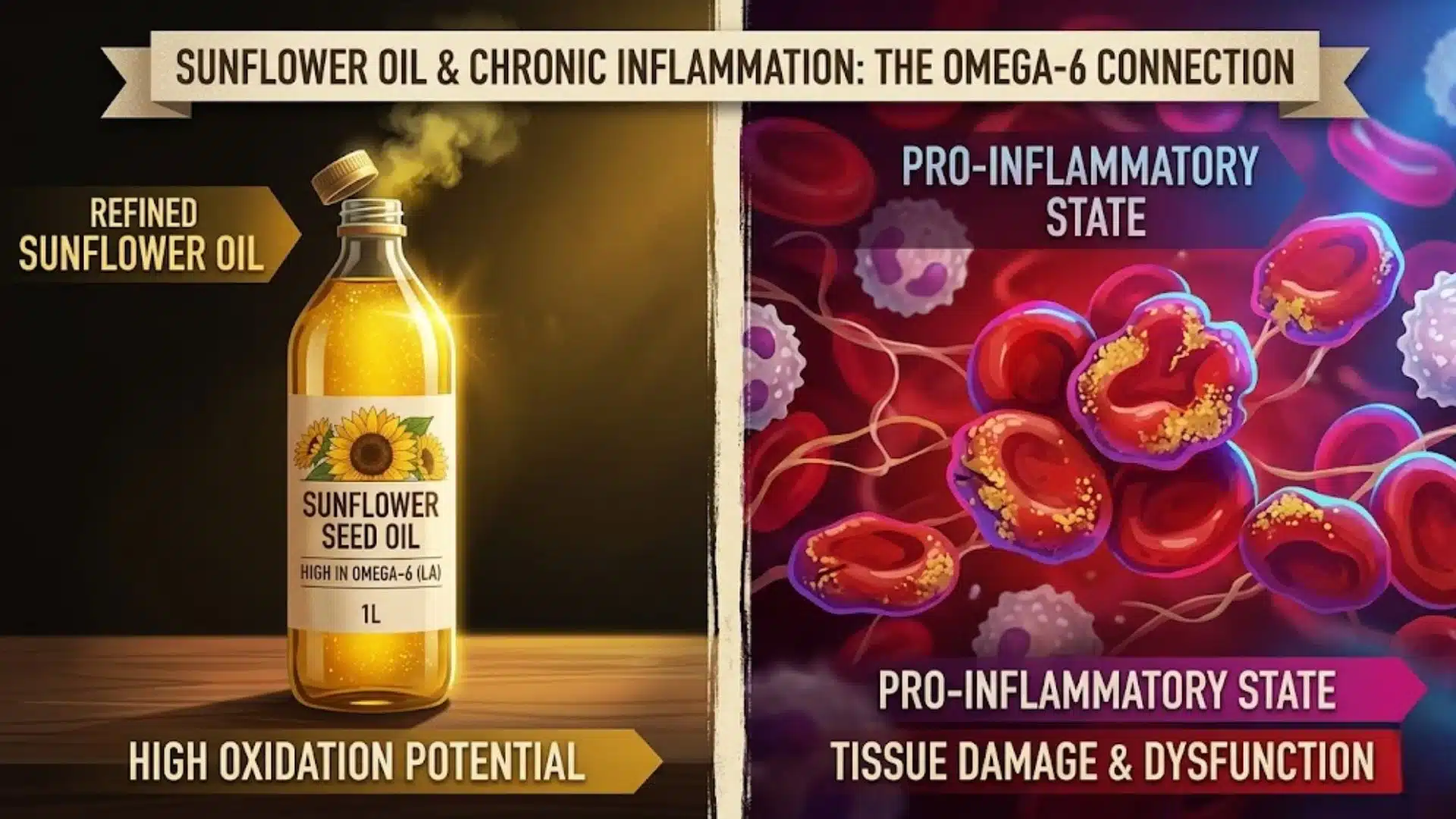
This is the part most cooking oil labels conveniently leave out. Sunflower oil has some genuine drawbacks, and being aware of them helps you use it smarter rather than swearing it off entirely.
1. Very High in Omega-6 Fatty Acids: This is the most significant concern. High-linoleic sunflower oil is approximately 65 to 70% linoleic acid, which is an omega-6 fatty acid.
While omega-6 is essential, the modern Western diet already has a deeply imbalanced omega-6-to-omega-3 ratio, often at 20:1 instead of the ideal 4:1, according to research by nutrition scientist A.P. Simopoulos.
Excess omega-6 intake is associated with promoting chronic, low-grade inflammation, which is a root driver of heart disease, diabetes, and arthritis.
2. Produces Harmful Compounds When Overheated: Despite its high smoke point, high-linoleic sunflower oil is chemically unstable under heat due to its polyunsaturated fat content.
Research published in nutritional biochemistry journals has found that heating these oils generates toxic aldehydes, including 4-hydroxynonenal (4-HNE), which are compounds linked to oxidative stress and cellular damage.
Reusing the same oil multiple times significantly amplifies this risk.
3. Refining Strips Away Key Nutrients: Most commercially available sunflower oil is highly refined, processed using chemical solvents, then bleached and deodorized.
This process strips away much of its natural Vitamin E and antioxidant content, which are the very nutrients that make it beneficial in the first place.
4. Not Ideal for People with Inflammatory Conditions: Registered Dietitian Nutritionists often caution individuals with chronic inflammatory conditions such as rheumatoid arthritis, cardiovascular disease, or metabolic syndrome against frequent use of high-linoleic sunflower oil, as it may worsen the omega-6 imbalance already present in their diet.
Sunflower Oil vs. Other Common Oils
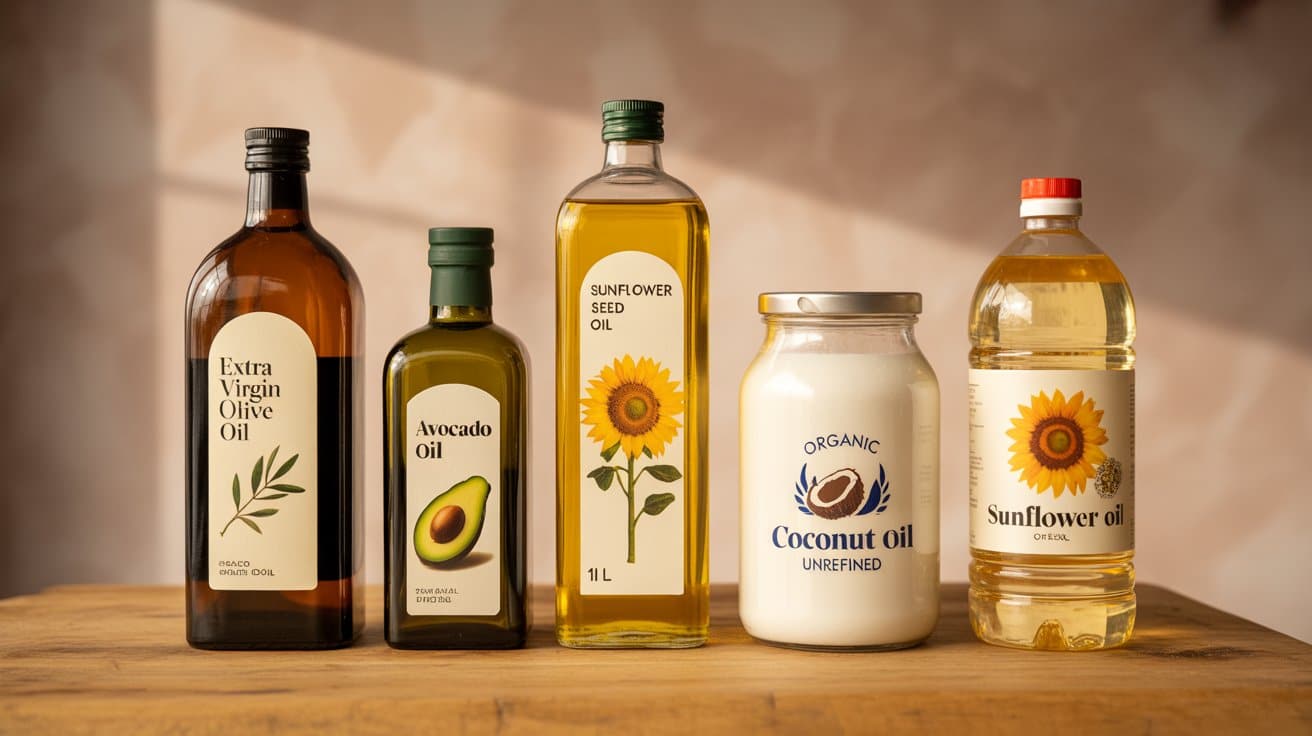
Not all oils are created equal, and a quick comparison can help you decide when sunflower oil makes sense and when a better option is sitting right next to it on the shelf.
Sunflower Oil (High-Linoleic): The most common supermarket variety, high in omega-6 fatty acids and best reserved for occasional frying rather than daily use.
Sunflower Oil (High-Oleic): A more stable, monounsaturated-rich version of sunflower oil that handles heat better and is a far healthier all-purpose choice.
Extra Virgin Olive Oil: Cold-pressed from fresh olives, it is rich in heart-healthy monounsaturated fats and antioxidants, making it a gold standard for healthy cooking.
Avocado Oil: Pressed from ripe avocado flesh, it is rich in monounsaturated fats and boasts one of the highest smoke points of any cooking oil.
Coconut Oil: Derived from mature coconut meat, it is high in saturated fat but contains unique MCTs that the body processes differently from most other fats.
Here is a quick comparison table:
| Oil | Omega-6 Level | Smoke Point | Best Use | Health Verdict |
|---|---|---|---|---|
| Sunflower (high-linoleic) | Very High | 440°F | Frying | Use sparingly |
| Sunflower (high-oleic) | Low | 440°F | All-purpose | Better choice |
| Extra Virgin Olive Oil | Moderate | 375°F | Dressings, sauteing | Highly recommended |
| Avocado Oil | Low | 520°F | All-purpose | Highly recommended |
| Coconut Oil | Very Low | 350°F | Baking | Use in moderation |
How to Use Sunflower Oil More Safely
You do not necessarily have to toss your sunflower oil just yet. A few smart habits can go a long way in making sure you get more of its benefits and far less of its risks.
- Choose high-oleic over high-linoleic sunflower oil whenever possible
- Never reuse or reheat the same oil repeatedly; discard after one use
- Avoid smoking the oil, since if it starts to smoke, the chemical breakdown has already begun
- Use cold-pressed, unrefined versions for salad dressings and low-heat cooking to preserve Vitamin E
- Balance your diet with omega-3-rich foods like fatty fish, flaxseeds, chia seeds, and walnuts
- Rotate your oils since no single oil should dominate your cooking, and dietary diversity is key
Who Should Limit or Avoid Sunflower Oil?
For most people, moderate use is perfectly fine. But certain individuals genuinely need to be more careful, and it is worth checking if you fall into any of these groups.
- People with chronic inflammatory conditions such as arthritis, IBD, or heart disease
- Those following anti-inflammatory diets, such as the Mediterranean or AIP
- Individuals who already consume high amounts of processed and packaged foods, which are heavily loaded with omega-6 oils
- Anyone with existing cardiovascular risk factors
Conclusion
So, is sunflower oil bad for you? Not inherently, but the type you choose, the way you cook with it, and how frequently you use it all play a significant role.
High-oleic sunflower oil is a reasonable, relatively safe choice for everyday cooking. High-linoleic, however, deserves more caution, especially when used repeatedly at high heat or consumed alongside an already omega-6-heavy diet.
Like most things in nutrition, the answer is never black-and-white.
Context, variety, and moderation are everything. Prioritize omega-3 intake, rotate your cooking oils, and when in doubt, a registered dietitian can help you build a fat intake plan that genuinely works for your health.
Frequently Asked Questions
What Is the Most Unhealthy Oil?
The worst oils for health are generally highly refined seed and vegetable oils, such as soybean, corn, cottonseed, and sunflower oil.
Is Sunflower Oil More Unhealthy than Olive Oil?
Olive oil, particularly extra virgin, is generally considered healthier than standard sunflower oil due to its higher antioxidant content.
Which Is Worse for You, Sunflower Oil or Vegetable Oil?
Both oils have similar fat content, being the richest in monounsaturated and polyunsaturated (“good”) fatty acids and the lowest in saturated (“bad”) fatty acids.
Which Oil Is Healthiest?
Rapeseed oil (often sold as generic vegetable oil) and inexpensive olive oil are therefore the best choices for cooking.
Is Sunflower Oil Safe for Frying?
Yes, refined sunflower oil is an excellent choice for frying, including deep-frying and stir-frying.