What exactly is a body rub? Many people search for this term without understanding what it means.
Body rubs and traditional massages differ in purpose, techniques, and training requirements.
This article explains what body rubs are and how they compare to licensed massage therapy.
You’ll learn about the benefits, common styles, and how to choose qualified providers. We focus on legitimate wellness practices that support your health and safety.
What Is a Body Rub?
A body rub is a general term for applying touch and pressure to the body for relaxation.
It’s less formal than a therapeutic massage. Many spas offer body rub services. People also practice them at home with partners or friends.
Cultural Context
Body rubs have roots in cultures worldwide. Ancient civilizations used touch for healing and connection.
Asian traditions like Thai massage and Shiatsu combine pressure points with gentle stretching. Middle Eastern cultures used oil-based rubs in bathhouses.
Western cultures adopted Swedish techniques during the 1800s.
Types of Body Rubs
1. Light Touch Rubs: Light touch methods use gentle pressure across the skin. They soothe the nervous system without penetrating deeply into the muscles. These rubs help with relaxation and sleep quality.
2. Aromatherapy Rubs: Aromatherapy combines touch with essential oils. Lavender calms the mind. Eucalyptus opens breathing passages. The oils are mixed with carrier oils and applied during the rub.
3. Self-Care vs. Professional Services: Self-care body rubs can be done at home with no training required. Professional services are provided in spas where staff receive basic technique training. Sessions last 30 to 60 minutes.
Each type of body rub serves different needs. Choose the style that matches your comfort level and relaxation goals.
Benefits of Body Rubs
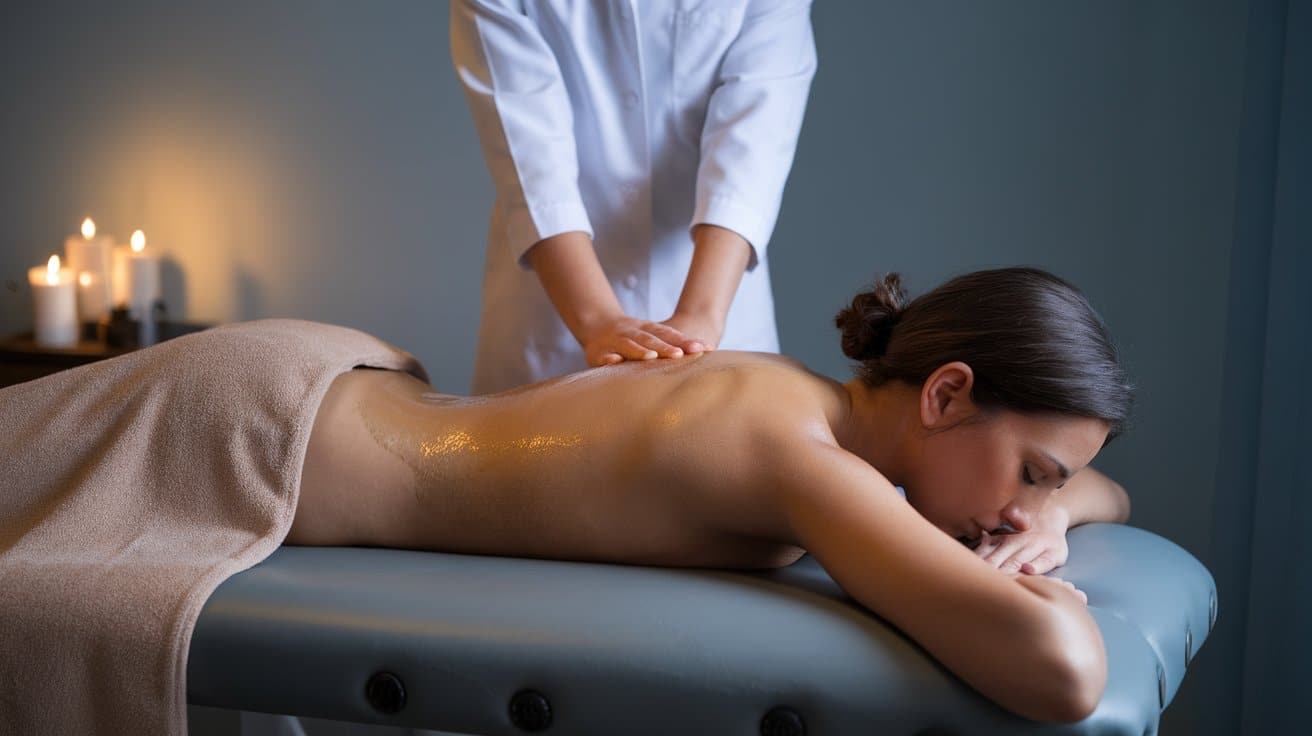
Both body rubs and traditional massages offer real health benefits. The right choice depends on your needs.
1. Physical Benefits
Muscle Relaxation: It helps tighten muscles and relax. Physical touch increases blood flow to tense areas. Body rubs provide gentle relief for everyday stiffness.
Temporary Tension Relief: Body rubs reduce surface-level muscle tightness. They work well for minor discomfort after a long day.
2. Mental and Emotional Benefits
Stress Relief: Touch activates your body’s relaxation response. It lowers stress hormones. Studies show that even brief touch sessions reduce cortisol levels.
Improved Mood and Well-being: Physical touch releases endorphins and serotonin. These feel-good chemicals naturally boost your mood. Many people report feeling calmer after treatment.
Body rubs are like a warm bath for your muscles.
Body Rubs vs Traditional Massage
Understanding these differences helps you choose the service that best meets your needs.
Body Rub: A general term for applying touch and pressure to the body for relaxation and comfort, typically informal and requiring no professional training.
Traditional Massage: Traditional massage is a licensed healthcare practice that uses structured techniques, performed by certified therapists, to treat physical conditions and improve health outcomes.
Here’s a quick comparison:
| Feature | Body Rub | Traditional Massage |
|---|---|---|
| Training Required | Often informal | Licensed professionals |
| Goals | Relaxation and comfort | Clinical, therapeutic outcomes |
| Techniques | Simple touch and pressure | Structured, varied methods |
| Setting | Casual, spa, personal | Clinical or licensed spa |
| Intensity | Lighter touch | Ranges from light to deep pressure |
The main takeaway? Traditional massage offers consistent, therapeutic care. Body rubs provide casual relaxation without a medical focus.
Why People Choose Body Rubs
Body rubs offer practical benefits for everyday wellness without requiring medical appointments or extensive planning.
1. Quick Relaxation
Fast Stress Relief Body rubs provide immediate relaxation. Sessions can be as short as 15 to 30 minutes. You don’t need to book appointments weeks in advance.
No Specialized Training Needed; anyone can give or receive a basic body rub. Simple techniques work for everyday tension. You can rub your own shoulders during breaks or exchange back rubs with partners at home.
2. Affordability and Accessibility
Budget-Friendly Option Body rubs cost less than professional massage therapy. Spa services range from $30 to $60. Self-care body rubs at home are free.
No Professional Appointments. You don’t need to schedule ahead or travel to clinics. This flexibility makes them perfect for spontaneous stress relief.
3. No Health Condition Involvement
Simple Wellness Care Body rubs work well for everyday tension and general comfort. No medical evaluations or health history forms are required. They’re ideal for basic relaxation without clinical involvement.
How to Perform a Safe Body Rub
Performing body rubs at home is simple when you follow basic safety guidelines. Proper technique and awareness prevent injury and maximize relaxation. Here’s how to do it right.
Self-Care Tips
Using Oils or lotions, apply them for smooth gliding motions. Good options include coconut oil, almond oil, or unscented lotion. Warm the product in your hands first.
Understanding Pressure and Limits: Start with light pressure and gradually increase.
Focus on large muscle groups such as the shoulders, back, and calves. Use circular motions or long strokes. Never force pressure into painful areas.
Safety Considerations
Avoid Sensitive Areas. Never rub over cuts, bruises, or swollen areas. Skip rashes or skin infections. Avoid varicose veins and the spine itself.
When to Consult a Professional: Stop if pain increases during or after rubbing.
Persistent discomfort needs professional evaluation. See a licensed massage therapist for chronic pain or specific problems.
Myths and Misconceptions About Body Rubs
Many misunderstandings surround body rubs. Let’s clear up common myths.
Myth 1: Body Rub Equals Adult Services
The Truth: Body rubs are legitimate wellness practices focused on relaxation. Some businesses misuse the term, creating unfair associations. Legitimate providers clearly describe services and list specific massage types.
Myth 2: Body Rubs Are Just for Quick Fixes
The Truth: Body rubs can be part of regular self-care routines. Many people include weekly sessions alongside exercise and meditation. Regular body rubs help manage ongoing stress and improve sleep quality.
Myth 3: No Professional Skills Are Required
The Reality: Basic body rubs need minimal training for home use. However, professional skills matter for specific goals. Trained providers know anatomy and proper pressure application.
How to Choose a Qualified Provider
Finding the right provider protects your health and ensures quality care.
Licensing and Certifications
Why Training Matters: Licensed massage therapists complete hundreds of hours of education. They learn proper techniques, anatomy, and safety protocols. Most states require therapists to pass exams and maintain licenses.
Professional Associations: Look for providers who belong to organizations like the American Massage Therapy Association (AMTA) or Associated Bodywork & Massage Professionals (ABMP). These groups require adherence to ethical standards and ongoing continuing education.
Safety and Hygiene
What to Expect During Intake: Legitimate providers start with a health intake form. They ask about medical conditions, injuries, and areas of pain. Your provider should explain what will happen during the session.
Red Flags to Watch For: Avoid providers who refuse to show licenses, use vague service descriptions, or don’t discuss your health history. Trust your instincts.
Your safety and comfort matter. Take time to find someone qualified who meets your specific needs. The right provider makes all the difference in your treatment experience.
Conclusion
Body rubs provide accessible relaxation and stress relief for everyday wellness.
They use simple touch and pressure to reduce tension and promote comfort. While less formal than therapeutic massage, body rubs serve an essential role in self-care routines.
Always choose legitimate providers who prioritize your safety and comfort. Check reviews, ask questions, and verify the services offered.
Clear communication ensures you receive appropriate care.
Body rubs can be part of a healthy lifestyle when used correctly.
They offer an affordable way to manage stress and improve your overall sense of well-being.
What’s your experience with body rubs or massage therapy? Share your story in the comments and help others make informed decisions about their wellness care.
Frequently Asked Questions
Is It Inappropriate to Moan During a Massage?
It’s generally not inappropriate to make occasional, involuntary sounds of relaxation like soft moans or groans, especially during deep tissue work.
Do Full Body Massages Include Private Parts?
No, professional full-body massages do not include private parts; therapists are ethically and often legally prohibited from touching these areas.
Is It Normal to Release During a Massage?
Yes, it’s completely normal to have various types of “releases” during a massage, including emotional releases and physiological responses.