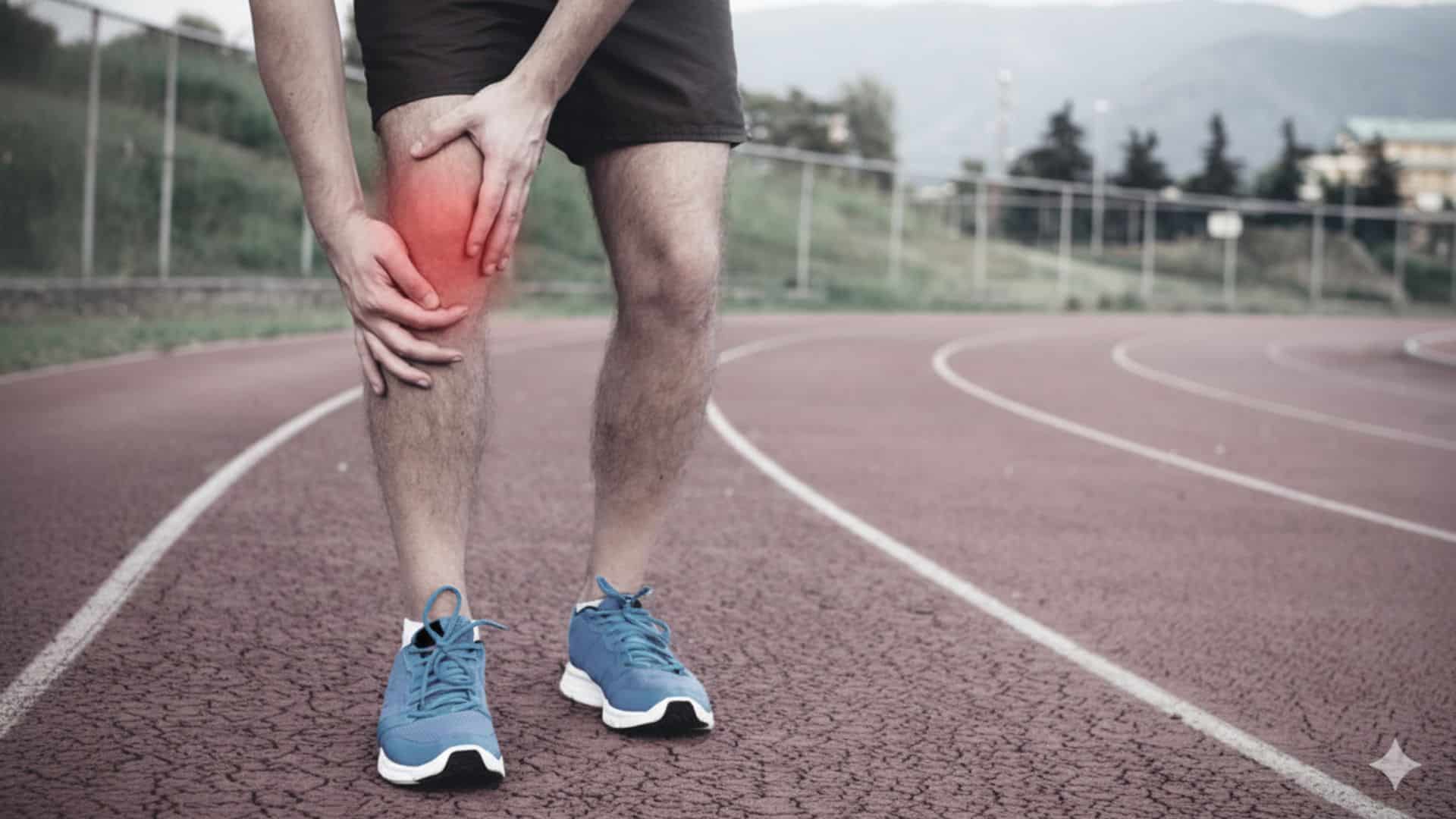
At every step you take, your body relies on one small but powerful muscle: the gluteus medius.
When it’s weak, your pelvis tilts, your knees cave, and your lower back absorbs forces it wasn’t designed to withstand.
The hip drop exercise directly targets this muscle, training it to stabilize your pelvis during movement.
Whether you’re a runner battling poor form, a desk worker with nagging hip tightness, or someone recovering from a knee injury, these exercises address the root cause.
This guide covers what the hip drop is, who needs it, its benefits, and progressive exercises to build lasting hip strength and resilience.
What is the Hip Drop Exercise?
Before diving into the exercises, it’s important to understand exactly what movement you’re performing and why it works.
The hip drop is a controlled movement where you stand on one leg, typically on a step, and slowly lower the opposite hip below the level of your standing foot, then drive it back up using your hip muscles.
It directly challenges the gluteus medius to stabilize the pelvis against gravity. It comes in two primary forms:
- Standing Hip Drop (step-based): functional, weight-bearing, beginner-friendly
- Side Plank Hip Drop: core-integrated, targets stabilizers simultaneously
Key Form Rule: Move slowly and never flex your supporting knee during the drop. This isolates the glute med and prevents compensation.
Knowing the movement is only half the picture. To truly appreciate why it matters, you need to understand the muscle it’s built to train.
Why Your Gluteus Medius is the Muscle You’ve Been Neglecting
Most people train the glutes for aesthetics, but the gluteus medius has a far more critical job: keeping your entire body aligned every time your foot leaves the ground.
The gluteus medius sits on the outer surface of your pelvis and controls hip abduction and frontal-plane stability.
When it weakens, the body compensates by overloading the tensor fascia latae and quadratus lumborum, leading to tightness, IT band issues, and low back pain.
During walking or running, a weak glute med causes the opposite hip to visibly dip, a pattern known as Trendelenburg gait or hip drop.
This chain reaction doesn’t stop at the hips; it alters knee tracking and ankle alignment, setting the stage for overuse injuries across the entire lower body.
Understanding this muscle’s role makes one thing clear: gluteus medius weakness is not a niche problem. It affects a wide range of people in ways they may not even realize.
Who Should Do Hip Drop Exercises?
Hip drop exercises are not reserved for elite athletes or rehab patients. They belong in almost everyone’s routine.
- Runners: A weak glute med causes the pelvis to dip with each stride, placing excessive stress on the knees and lower back.
- Desk workers: Prolonged sitting tightens hip adductors, which reciprocally inhibit the gluteus medius through neurological suppression.
- Athletes: Cutting, jumping, and single-leg landing demand high glute med activation for safe force absorption.
- Rehab patients: Gluteus medius weakness is directly linked to IT band syndrome, patellofemoral pain syndrome, and ACL injuries.
Whether you fall into one or all of these categories, the benefits of addressing this weakness are immediate and far-reaching, and they go well beyond injury prevention.
Key Benefits of Hip Drop Exercises
Adding hip drop exercises to your routine does not just make you stronger. It creates a ripple effect of improvement across your entire movement system.
- Strengthens the gluteus medius for superior pelvic stability
- Reduces lower back pain by redistributing load away from the lumbar spine
- Prevents knee valgus (inward knee collapse) during squats and lunges
- Corrects Trendelenburg gait in both walking and running
- Improves single-leg balance and proprioception
- Enhances running efficiency and reduces injury risk
- Builds kinetic chain resilience from the pelvis to the ankle
With these benefits in mind, the next step is putting them into practice, starting with 11 targeted exercises that range from beginner-friendly to advanced.
11 Hip Drop Exercises: From Beginner to Advanced
This list is organized by difficulty so you can start exactly where your body is today and progress with confidence.
1. Standing Hip Drop
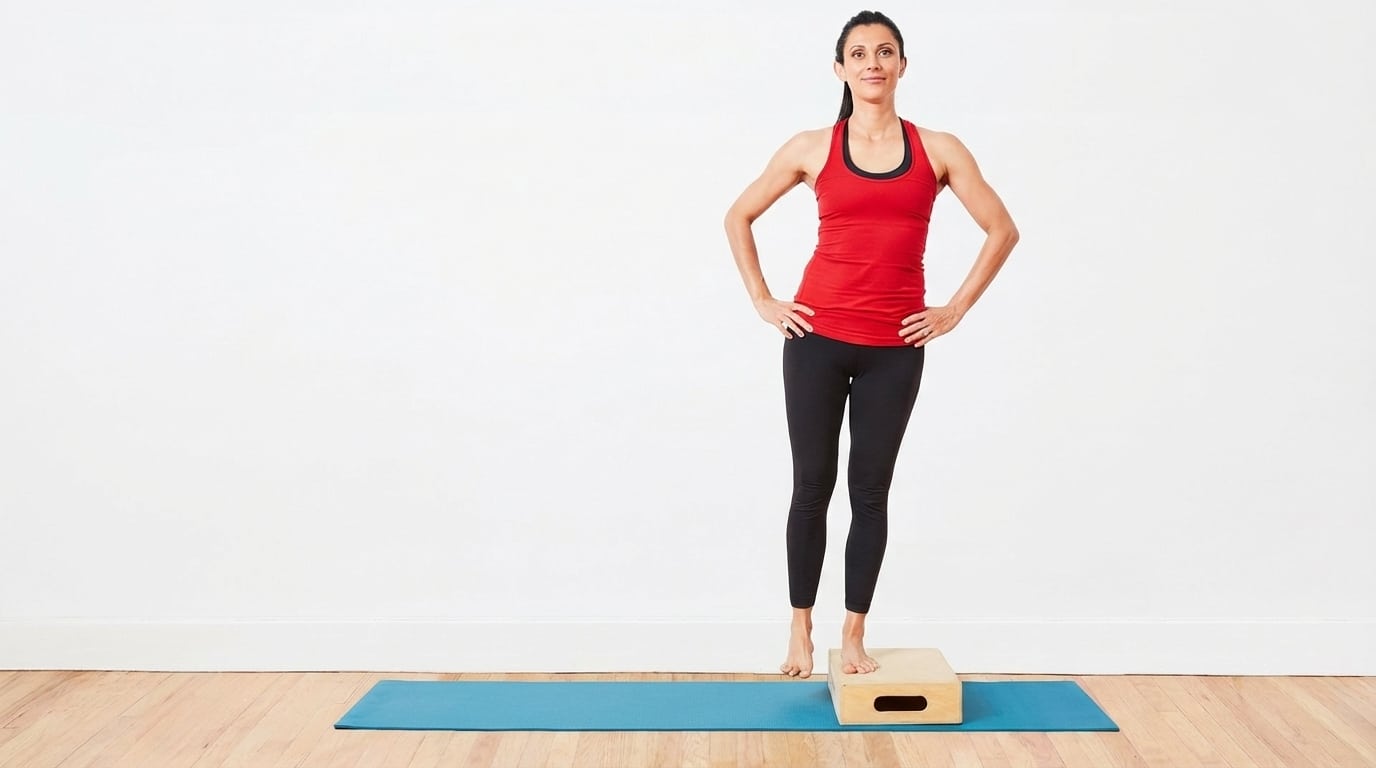
Target: Gluteus medius, hip abductors
This is the foundational movement that the entire guide is built around. Master this before moving on.
Stand on one foot on a step. Slowly lower the hanging hip toward the floor, then raise it back to level using the hip muscles of your standing leg. Sets/Reps: 3 sets x 10 to 12 reps per side
Once you can complete this with full control and no trunk shifting, you’re ready to challenge the same muscles without the support of a step.
2. Side-Lying Hip Abduction
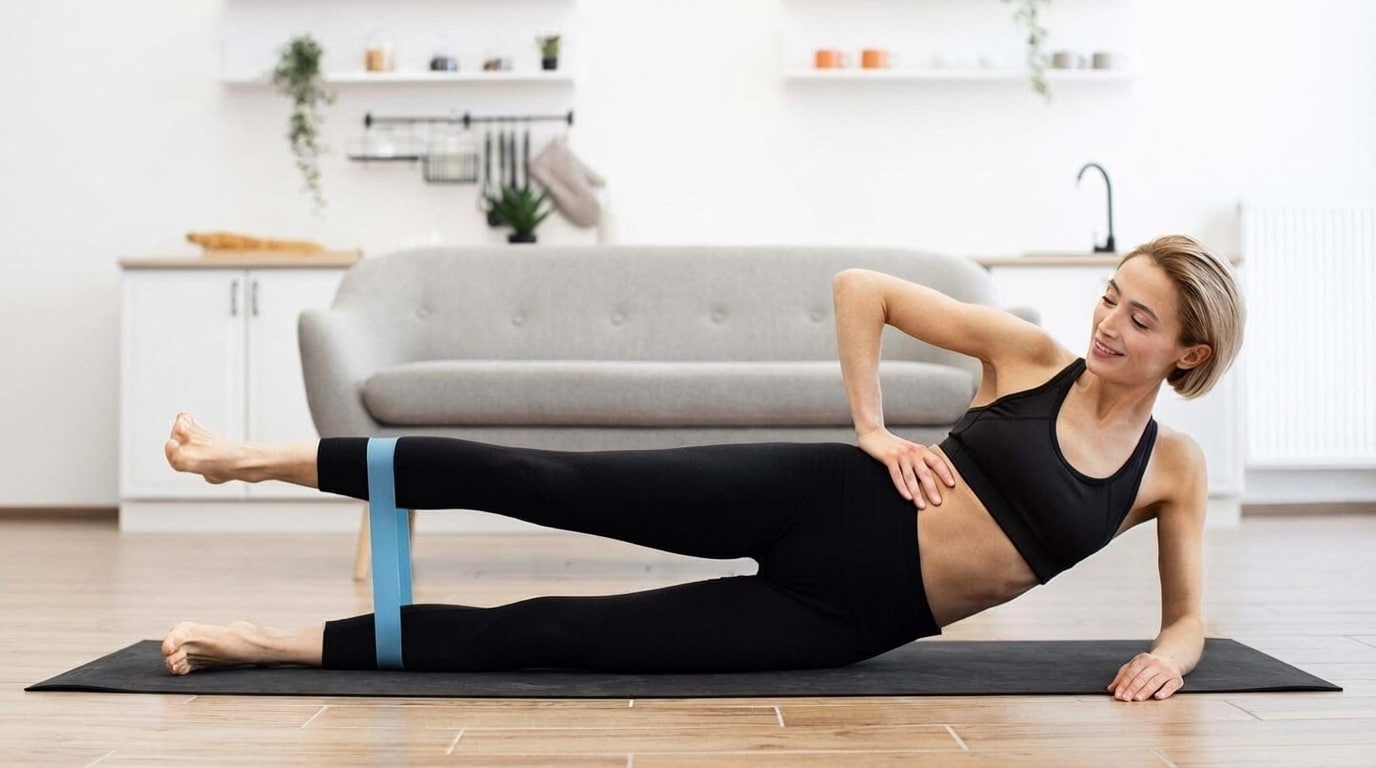
Target: Gluteus medius, gluteus minimus
A non-weight-bearing option that lets you focus purely on feeling the right muscles fire. Ideal if balance is currently a limiting factor.
Lie on your side, legs stacked. Lift the top leg toward the ceiling, hold 1 to 2 seconds, then lower slowly. Think “lift from the heel, not the toes.” Sets/Reps: 3 sets x 12 to 15 reps per side
As activation improves, it’s time to introduce rotation, a movement pattern your glute med must control during everyday activities.
3. Clamshells
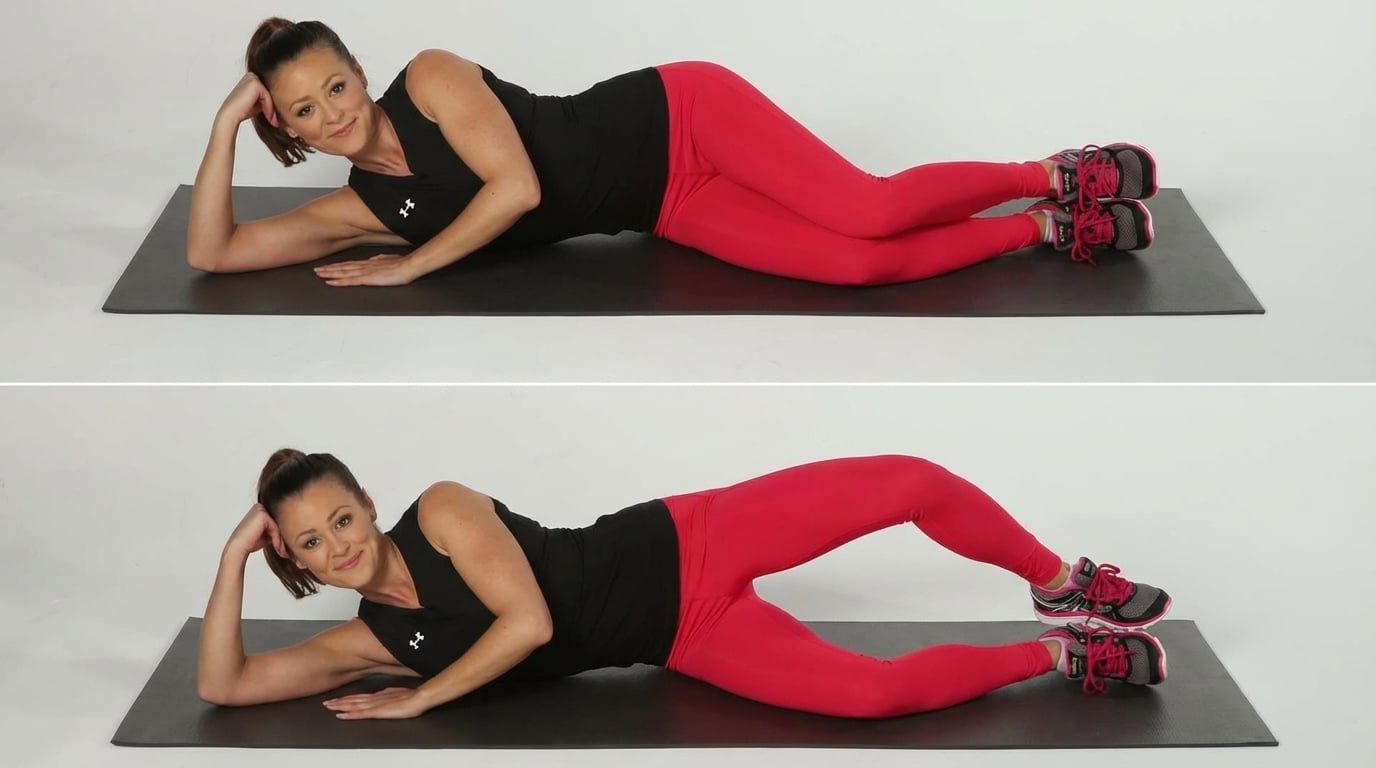
Target: Gluteus medius, external hip rotators
Simple to set up but deceptively effective, clamshells build the rotational control that your glute med needs to stabilize the pelvis dynamically.
Lie on your side, knees bent at 90 degrees, feet together. Lift the top knee as high as possible without rotating the pelvis, then lower with control. Sets/Reps: 3 sets x 12 to 15 reps per side
Once bodyweight clamshells feel easy, adding resistance takes the challenge and the results to the next level.
4. Side Plank Hip Drop
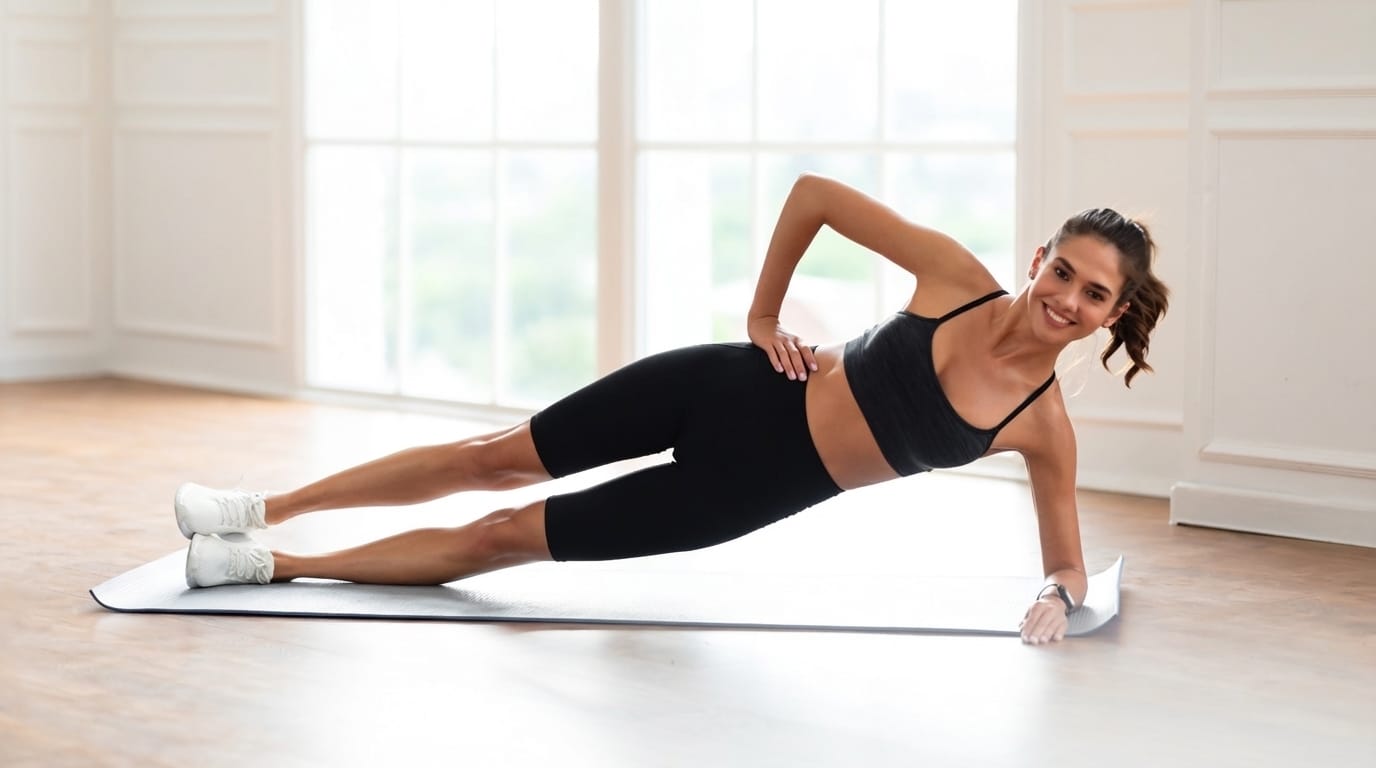
Target: Gluteus medius, obliques, quadratus lumborum
This variation shifts the glute med into a stability-under-load role by combining core engagement with direct hip work.
From a side plank position, lower your hip toward the floor, then drive it back up. Keep the body in a straight line throughout. Sets/Reps: 3 sets x 10 reps per side
With your core now in the equation, the next exercise maintains the rotational challenge while adding band resistance to enhance muscle recruitment.
5. Banded Clamshells
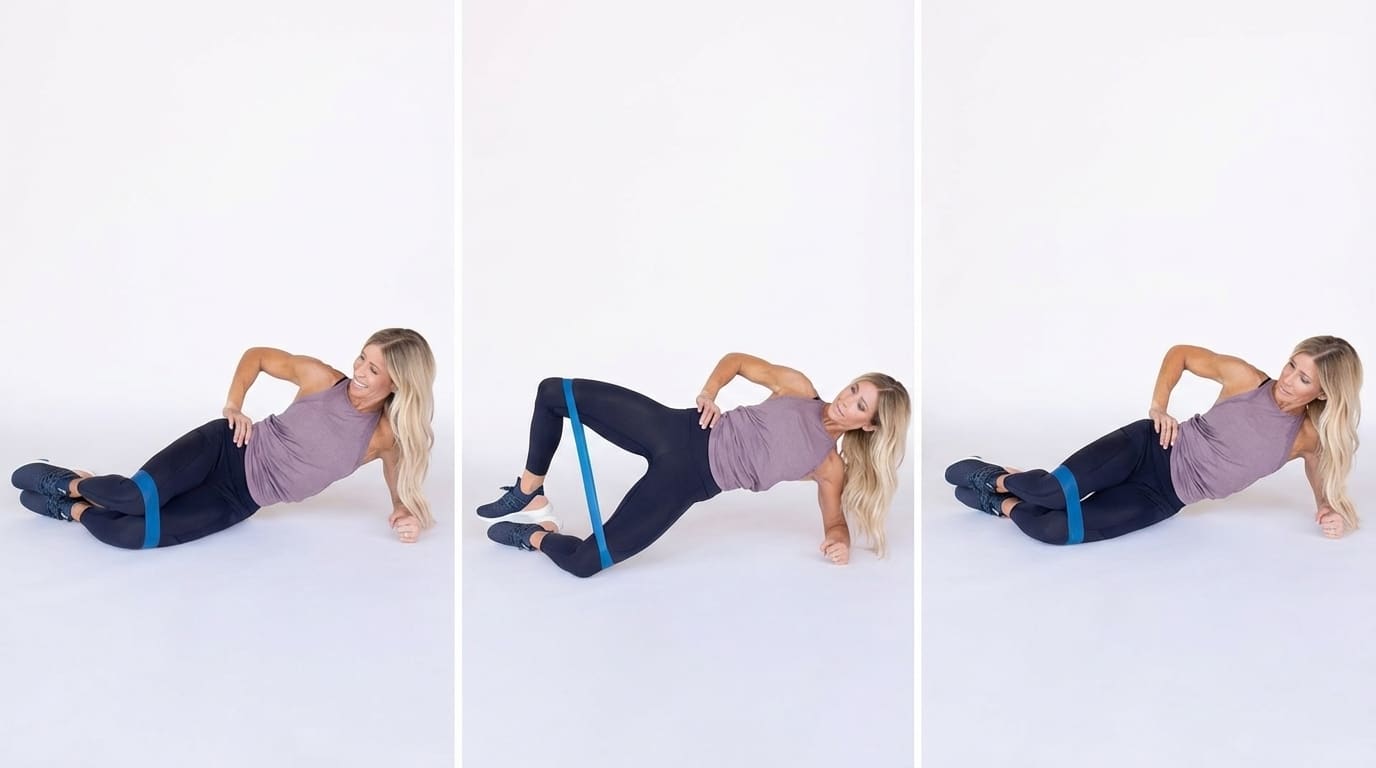
Target: Gluteus medius with increased resistance
Adding a band turns a beginner movement into a meaningful strength stimulus, forcing the glute med to work harder through the full range of motion.
Use the same setup as standard clamshells with a resistance band looped just above the knees. The band forces greater recruitment of the glute med to resist collapse. Sets/Reps: 3 sets x 15 reps per side
Now that the muscle is activating under resistance, it’s time to get it moving and train it the way it functions in real life.
6. Lateral Band Walks
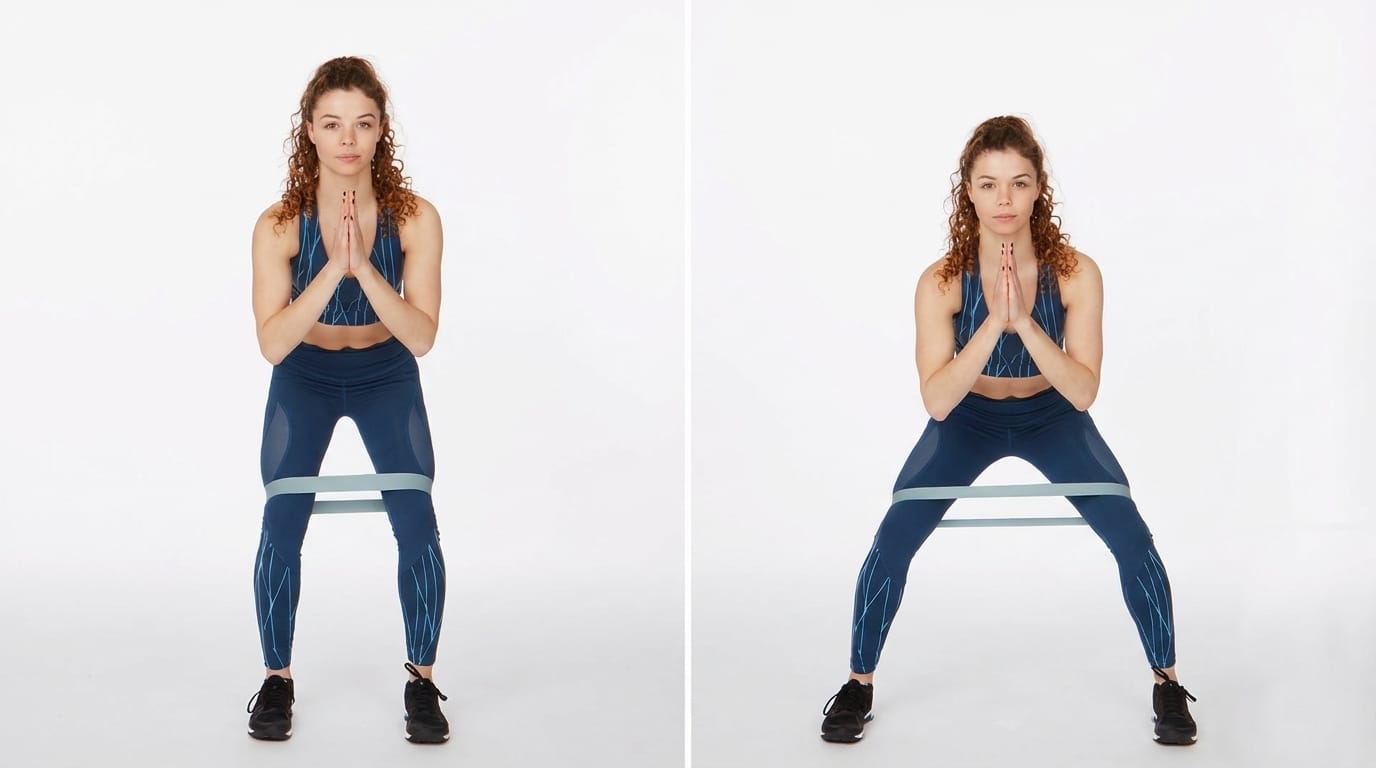
Target: Gluteus medius, hip abductors
Unlike static exercises, lateral band walks train the glute med through continuous movement, closely mimicking the demands of sport and daily walking.
Place a resistance band above the knees, assume a quarter-squat stance, and step side to side while maintaining tension in the band throughout. Sets/Reps: 3 sets x 15 steps each direction
Dynamic movement covered. Now it’s time to load the glute med in a single-leg, weight-bearing position that demands both strength and balance.
7. Lateral Step-Down
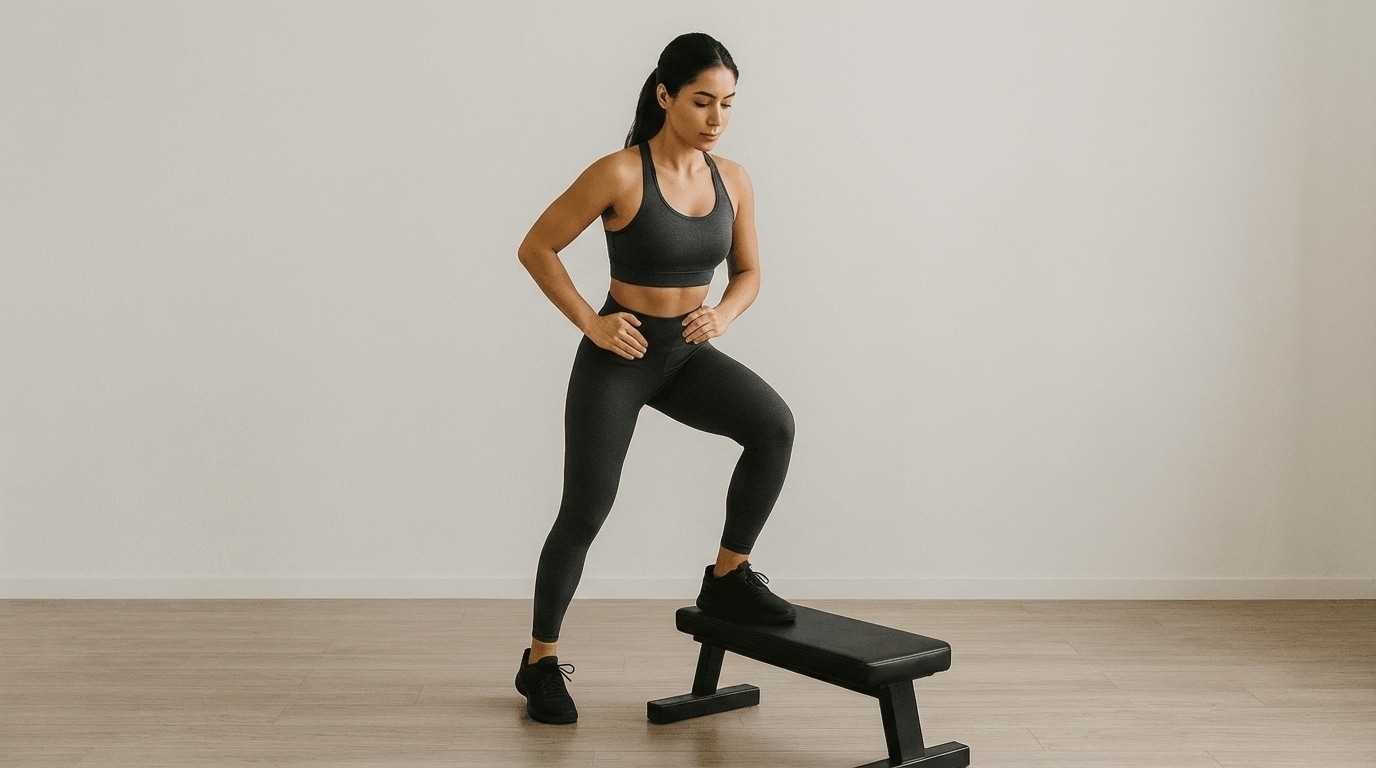
Target: Gluteus medius, quadriceps, pelvic stabilizers
One of the most functional exercises in this list, the lateral step-down closely mirrors the demands placed on the hip during stair descent and running.
Stand on a step on one leg. Slowly lower the opposite foot toward the floor by bending the standing knee, keeping the pelvis level. Drive back up. Sets/Reps: 3 sets x 10 reps per side
Once you’ve mastered single-leg control from the front, incorporating the posterior chain into the movement creates a more complete hip-strengthening stimulus.
8. Single-Leg Glute Bridge
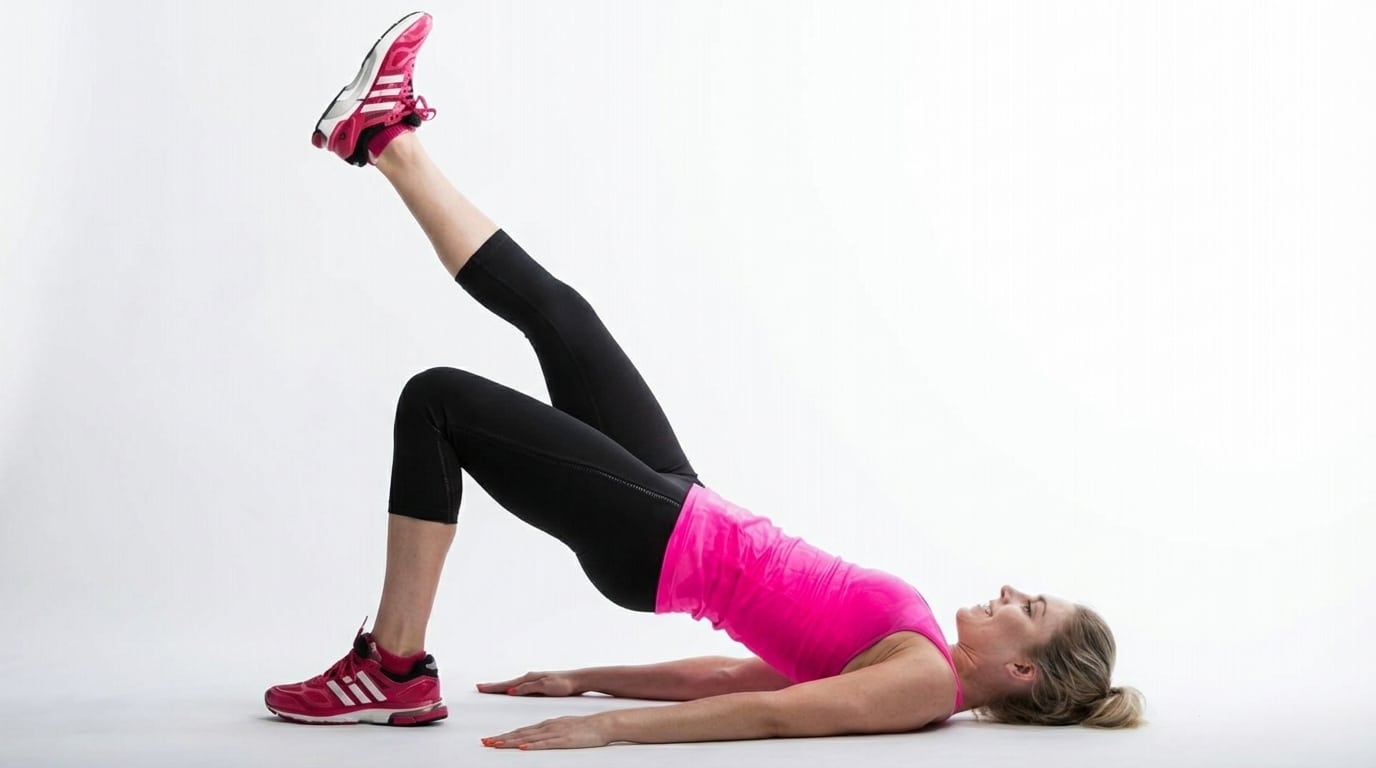
Target: Gluteus medius, gluteus maximus, hamstrings
This exercise pairs glute med stabilization with powerful posterior chain activation, training the hip to be strong in all directions simultaneously.
Lie on your back, one knee bent and foot flat. Lift the other leg straight. Push the grounded foot into the floor and raise your hips, squeezing the glutes at the top. Sets/Reps: 3 sets x 10 to 12 reps per side
With posterior strength established, the next step combines it with lateral stability in one of the most demanding core-hip combinations on this list.
9. Side Plank with Hip Abduction
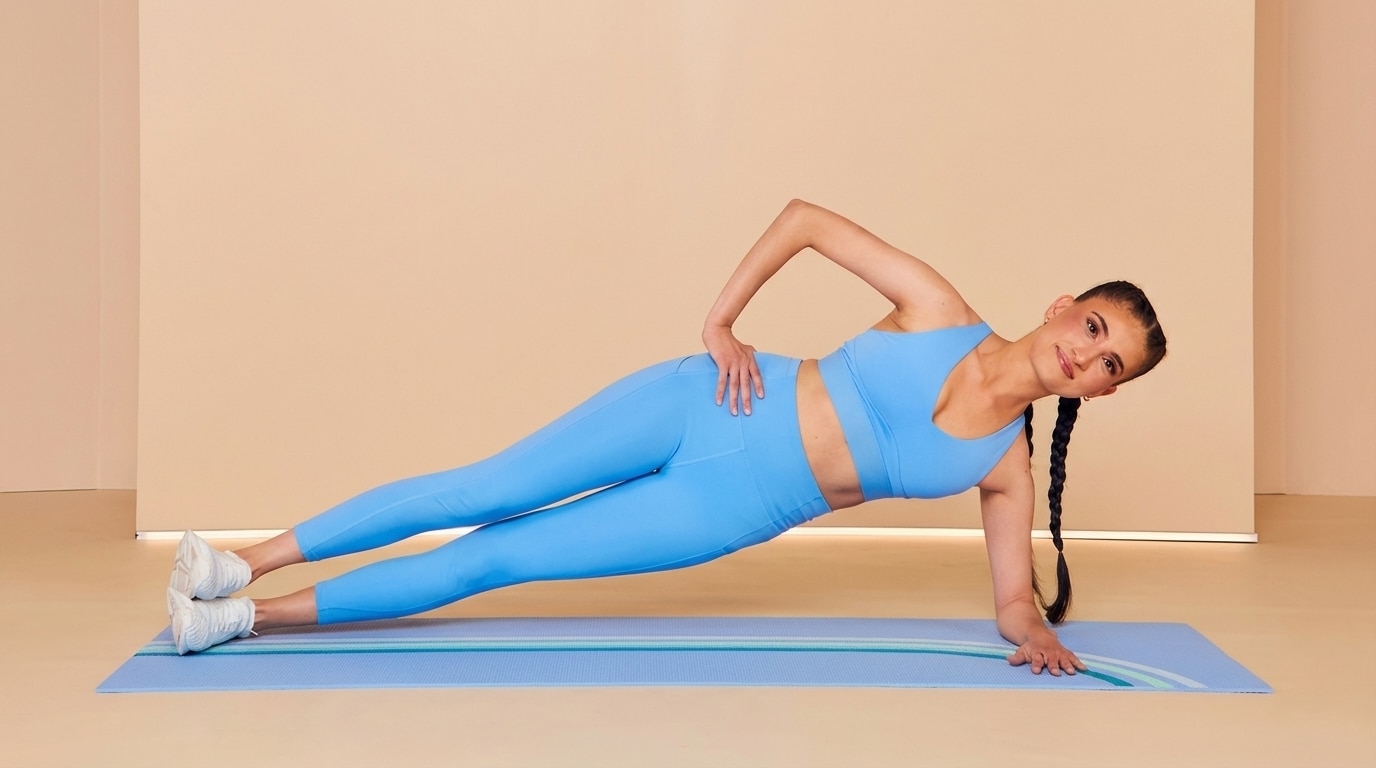
Target: Gluteus medius, lateral core
This upgrade to the side plank hip drop removes the drop and replaces it with active abduction, requiring the glute med to work against gravity while the core holds position.
Hold a side plank and lift your top leg 12 to 18 inches while maintaining hip alignment. This combines stability demand with active abduction. Sets/Reps: 3 sets x 10 reps per side
Ready to take it off the ground entirely? The single-leg deadlift challenges the glute med across its full functional range in a standing, dynamic pattern.
10. Single-Leg Deadlift
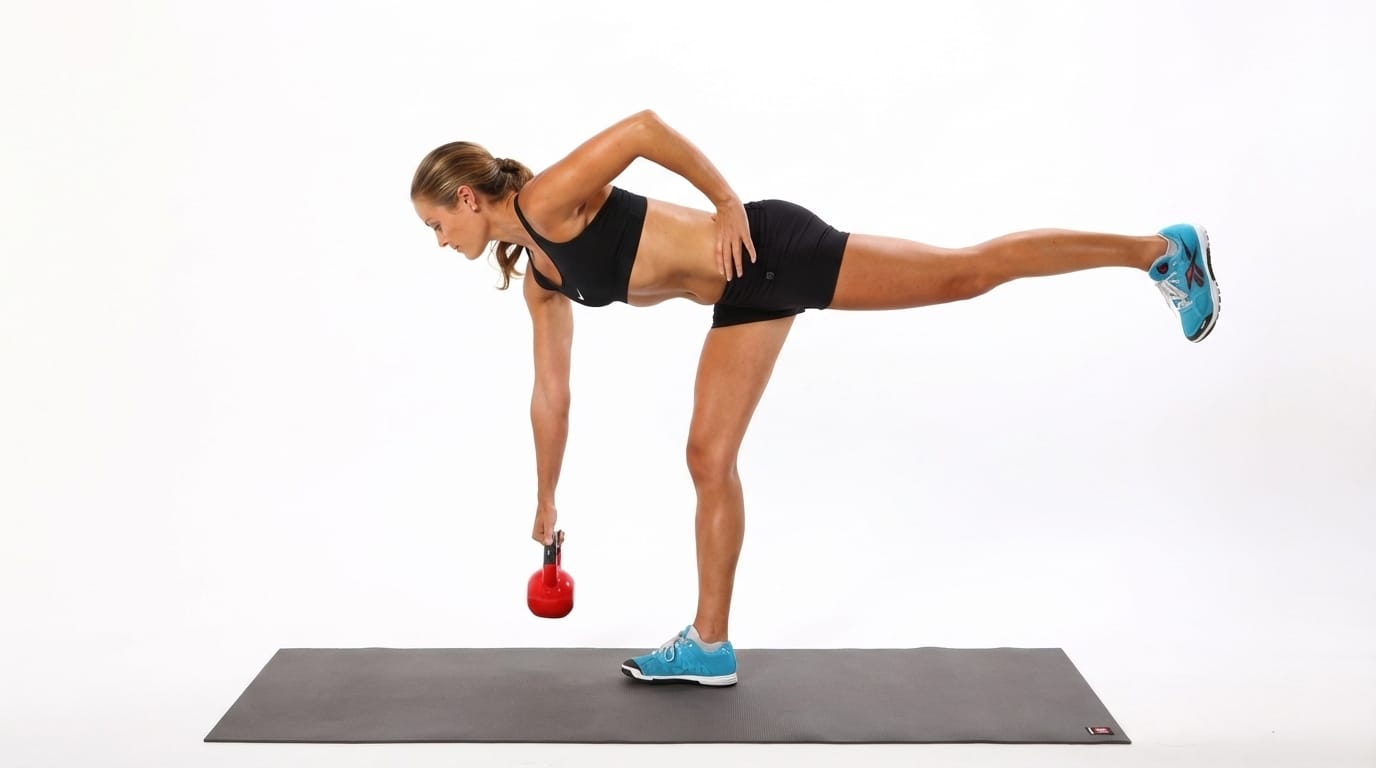
Target: Gluteus medius, gluteus maximus, hamstrings, proprioception
The most integrative exercise in this list. It demands that every hip stabilizer works in unison while the body balances through a full range of motion.
Stand on one leg, hinge forward at the hip while extending the opposite leg behind you. Maintain a neutral spine and level pelvis throughout. Sets/Reps: 3 sets x 8 to 10 reps per side
For maximum gluteus medius activation, one final tweak to the foundational hip drop makes it the most research-supported variation in this entire guide.
11. Hip Drop with Internal Rotation
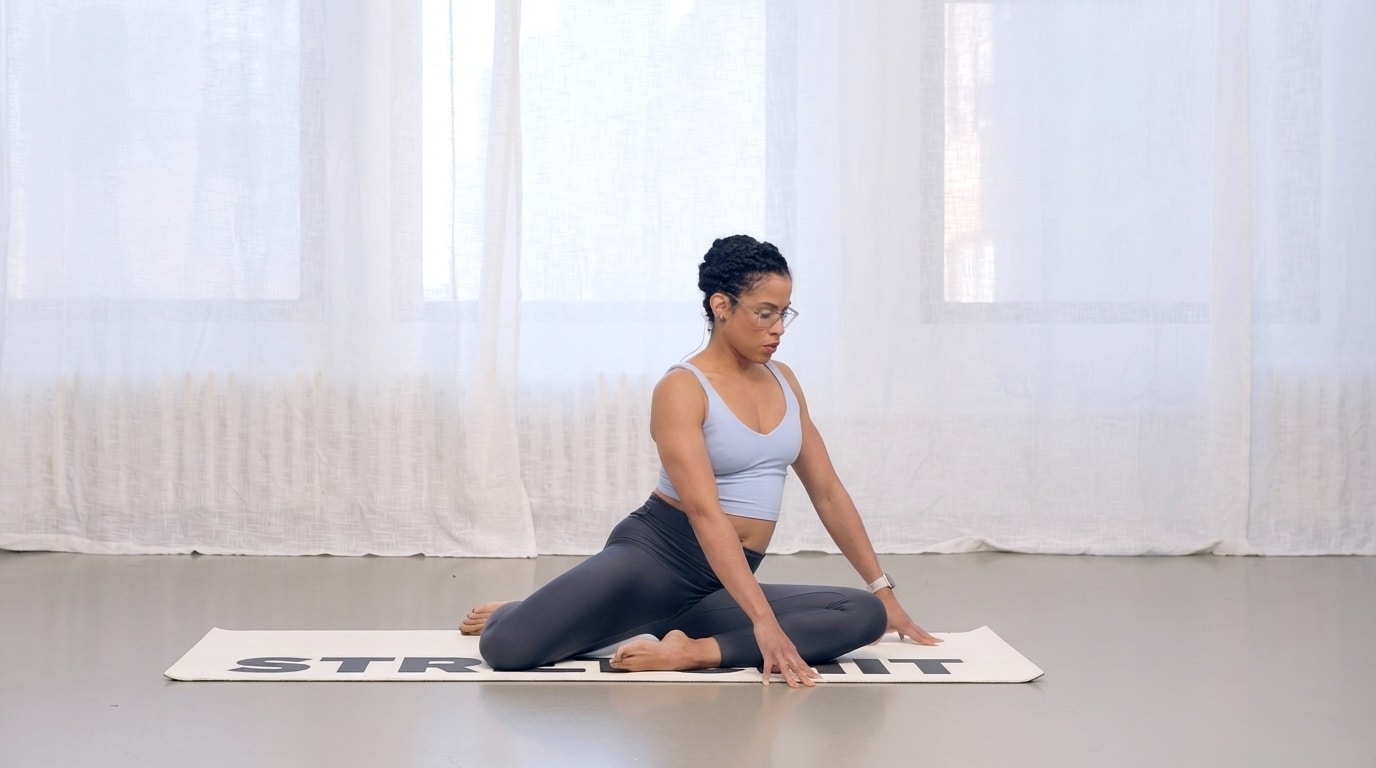
Target: Gluteus medius (maximum activation)
This is the evidence-backed upgrade to exercise number 1. A small positional change that produces a significantly greater stimulus on the gluteus medius.
Perform the standing hip drop with the standing leg turned slightly inward (internal rotation). Research published in Clinical Biomechanics confirmed that this variation produces significantly greater gluteus medius activation than neutral or externally rotated versions. Sets/Reps: 3 sets x 10 reps per side
Now that you have the complete exercise toolkit, the next question is: how do you know if you actually need it?
How to Know If You Have a Weak Gluteus Medius
Before committing to a full program, it’s worth taking two minutes to assess whether gluteus medius weakness is something you’re actually dealing with.
The Single-Leg Mirror Test: Stand on one leg in front of a mirror. If your opposite hip drops noticeably, or your trunk shifts sideways to compensate, you likely have gluteus medius weakness. Additional warning signs include:
- Hip pain or clicking during single-leg activities
- Knees caving inward during squats or stairs
- Recurring IT band tightness or knee pain
- Visible limp or asymmetry when walking
If any of these signs sound familiar, the programming guide below will show you exactly where to start.
Programming Guide
Knowing the exercises is one thing. Structuring them into a sustainable, progressive routine is what actually drives results.
| Level | Exercises to Focus On | Frequency |
|---|---|---|
| Beginner | 1, 2, 3 | 3x per week |
| Intermediate | 4, 5, 6, 7, 8 | 3 to 4x per week |
| Advanced | 9, 10, 11 | 4x per week |
General prescription: 3 to 4 sets of 8 to 20 reps, or 15 to 60 second holds for isometric variations. Progress to resistance bands, then weighted versions once bodyweight feels easy.
Even the best program delivers poor results when technique breaks down, which makes avoiding the following mistakes just as important as choosing the right exercises.
5 Common Mistakes to Avoid
These errors are subtle, easy to make, and consistently responsible for slowing progress or causing strain. Address them before they become habits.
- Bending the supporting knee: shifts work away from the glute med
- Rotating the torso: disguises hip weakness rather than fixing it
- Moving too fast: eliminates time under tension, the key driver of strength gains
- Always training the dominant side first: reinforces existing imbalances
- Skipping the internal rotation variation: leaving the highest-activation version on the table
Clean technique across all 11 exercises will answer most of your questions, but if you still have specific doubts, the FAQ section below covers the most common ones.
Disclaimer: This content is for informational purposes only. Consult a licensed physical therapist or physician before beginning any exercise program, especially if you are managing an existing injury.
Conclusion
A strong gluteus medius is the often-overlooked foundation of healthy hips, resilient knees, and a pain-free lower back.
The hip drop exercises in this guide form a complete progression, from basic standing drops to research-backed internal rotation variations, providing a clear path for every fitness level.
Start with the standing hip drop three times a week, focus on slow, controlled movement, and progress only when form is solid.
Small, consistent improvements in this one muscle can eliminate compensations that have been quietly building for years. Your hips, knees, and lower back will all benefit from the investment.
Frequently Asked Questions
What Muscle Is Weak with Hip Drop?
If the opposite hip of the leg that you are standing on drops, or if the knee of the leg you are standing on rotates inward, that indicates a weakness in the gluteus medius.
What Is the Number One Exercise for Elderly People?
The number one exercise for older adults is the Squat, particularly the sit-to-stand variation.
Can a Hip Drop Affect Knee Function?
Weak or poorly coordinated gluteal muscles can trigger a predictable chain reaction: hip drop → knee collapse → increased joint stress.
Which Exercise Is the King of All Exercises?
The Squat is widely hailed as the “King of All Exercises” for its unparalleled ability to build lower-body strength.
What Muscle Is Responsible for Hip Drop?
Common impairments that a weak gluteus medius may cause are hip drop, knee valgus, or trunk lean.