I wasted money on the wrong massage for almost two years. I kept booking deep tissue sessions when what my body actually needed was lymphatic drainage.
The soreness I thought was “working” was just inflammation stacking on top of inflammation.
Once a therapist finally pointed me toward the right technique, everything changed. Recovery improved, the chronic puffiness in my legs went down, and I stopped dreading the 48 hours after every appointment.
The problem was never massage itself. The problem was picking the wrong type. There are at least a dozen mainstream massage styles practiced today, and they are not interchangeable.
This guide exists to help you match the technique to your actual goal so you stop paying for sessions that are not doing what you need.
Three Categories Every Massage Style Falls Into
Before comparing individual techniques, it helps to understand that every massage type falls into one of three broad categories based on its primary function.
Therapeutic and clinical: These are techniques performed by licensed practitioners to address a specific physical issue. Lymphatic drainage, stretching massage, and hydromassage all fall here. The goal is measurable: reduce swelling, restore range of motion, speed up recovery. You book these because something in your body is not working the way it should.
Energetic and spiritual: These are rooted in ancient traditions and focus on moving energy through the body rather than fixing a mechanical problem. Tantric massage and practices tied to chakra work belong in this group. The goal is internal: emotional release, heightened awareness, and a deeper connection between mind and body.
Intimate and partner-based: These techniques are practiced privately between consenting adults, typically at home. Sensual massage, body-to-body massage, and yoni massage all sit here. The goal is relational: building trust, physical connection, and communication through touch.
Knowing which category your goal falls into immediately narrows your options from 12 techniques to 3 or 4. That alone saves you from booking the wrong session.
Therapeutic Massage Types Compared
If your goal is pain relief, recovery, or improved mobility, these are the techniques worth considering. Each one works differently, targets different systems, and suits different situations.
1. Pressure and Technique
Lymphatic massage uses the lightest touch of any technique on this list. The strokes are so gentle that first-timers often wonder if anything is happening. That light pressure is intentional. The lymphatic system sits just below the skin, and excessive pressure can compress the vessels and slow drainage.
Stretching massage is the opposite end of the intensity spectrum. Your therapist is physically moving your limbs through ranges of motion while applying deep pressure to the muscles being stretched. It is the closest thing to having a personal yoga session and a deep tissue appointment combined.
Hydromassage sits in the middle. The water jets provide consistent, moderate pressure that covers large muscle groups evenly. You control the intensity with a dial, which makes it the most customizable option on this list.
2. Recovery Speed and Frequency
Lymphatic drainage produces the fastest visible results. Swelling reduction is often noticeable within 24 hours of a single session, which is why it is the go-to technique after cosmetic surgery and orthopedic procedures. Most protocols call for 2 to 3 sessions per week during active recovery, then tapering to once a week for maintenance.
Stretching massage takes longer to show results, but the improvements tend to stick. I noticed real changes in my hip mobility after about four weekly sessions, and those gains held even when I dropped down to twice a month. The tradeoff is that you will likely feel sore for a day or two after each session, similar to what happens after a hard workout.
Hydromassage is the most convenient option for frequent use. Sessions are 10 to 15 minutes, require no undressing, and cause zero post-session soreness. The results are more temporary than the other two techniques, but for daily or weekly maintenance between deeper sessions, the accessibility is hard to beat.
3. Cost and Accessibility
A single lymphatic drainage session with a certified therapist typically runs between $85 and $150, depending on your city. Insurance occasionally covers it when prescribed for lymphedema or post-surgical recovery.
Stretching massage sessions fall in a similar range, $75 to $130 per hour, and are rarely covered by insurance unless bundled with physical therapy services.
Hydromassage is the most budget-friendly option by far. Most gyms that offer it include access in memberships that cost $25 to $50 per month, giving you unlimited sessions. Standalone hydromassage studios typically charge $15 to $30 per visit.
Energetic and Spiritual Massage: What Actually Happens
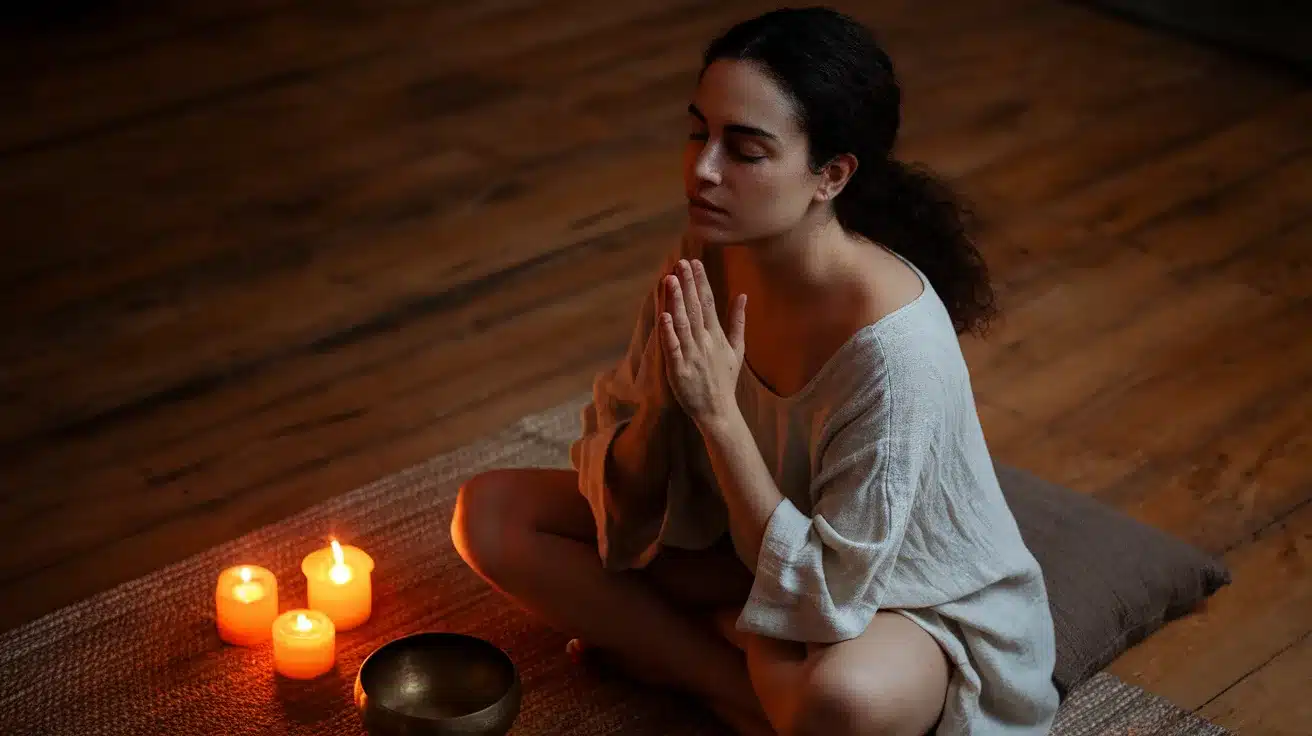
This category is where the most confusion exists, partly because Western marketing has distorted what these practices actually involve. Here is what separates them.
Tantric massage is a structured practice with clear stages: breathwork first, then guided meditation, and finally slow, full-body touch. The progression matters because each stage is designed to build on the previous one. Skipping the breathwork and jumping straight to touch defeats the purpose. Traditional tantric practitioners train for years, and the practice has far more in common with meditation than with conventional massage.
Nuru massage comes from a completely different tradition. Originating in Japan, it uses a seaweed-based gel and full-body sliding contact. The practice is more physical than energetic, focused on warmth and deep relaxation through sustained body contact. The legal landscape around nuru massage is complicated and varies by jurisdiction, which is something most people do not realize before searching for a practitioner.
The term exotic massage gets thrown around loosely online, but it actually refers to a collection of culturally specific traditions like Balinese, Lomi Lomi, and Abhyanga. These are legitimate bodywork modalities with centuries of history. The challenge is that the label has been co-opted by businesses that use it as a vague marketing term, so verifying what tradition a practitioner actually follows is important.
Couples Massage: What to Know Before You Start
Partner massage has gained a lot of traction over the past few years, especially among couples looking for ways to connect that do not involve staring at the same screen. The techniques in this category are not performed by licensed therapists. They are practiced privately at home.
What separates the styles in this group comes down to intent and origin.
Sensual massage is the most accessible starting point for couples. It focuses on slow, intentional touch with the goal of heightened body awareness. No special training is required, though learning proper technique makes a significant difference in the experience for both partners.
Yoni massage is a more specialized practice rooted in Ayurvedic tradition. It is specifically designed for women and focuses on releasing tension in the pelvic region. This is not a casual starting point. It requires extensive trust, communication, and ideally some background in trauma-informed touch.
Body-to-body massage uses the practitioner’s full body rather than just the hands to create warmth and sustained contact. The East Asian wellness traditions where this originated viewed full-body contact as a way to transfer warmth and calm the nervous system. Couples practicing it at home will need adequate space, quality massage oil, and a clear conversation about boundaries beforehand.
The common thread across all three is that consent and communication are not optional extras. They are the foundation that makes any of these practices work.
Body Rub vs. Licensed Massage: The Licensing Gap You Need to Understand
This distinction matters more than most people realize. A body rub and a licensed massage are not the same service, even when they look similar on the surface.
Licensed massage therapists (LMTs) complete between 500 and 1,000 hours of accredited training, pass national or state board exams, and maintain active licenses that require continuing education. They are trained in anatomy, physiology, pathology, and contraindications. When something feels wrong during a session, an LMT knows why and adjusts accordingly.
Body rub practitioners operate under different regulations that vary by city and state. Some jurisdictions require basic training and permits. Others have minimal oversight. This does not mean every body rub is low quality, but it does mean the burden of vetting falls entirely on you.
The practical rule: If you have a medical condition, injury, chronic pain, or post-surgical recovery needs, always choose a licensed massage therapist. If relaxation is your only goal and you are considering a body rub, verify the practitioner’s background and the facility’s reputation before booking.
Decision Framework: Match Your Goal to a Technique
“I need to reduce swelling or recover from surgery.” Start with lymphatic massage. Get clearance from your doctor first, then find a therapist certified in manual lymphatic drainage (MLD). Book 2 to 3 sessions per week during the acute phase.
“My range of motion is limited and stretching alone is not cutting it.” Book a stretching massage. Commit to at least four weekly sessions before judging results. Expect some soreness afterward, similar to a hard workout.
“I want something quick and low-commitment for daily muscle maintenance.” Hydromassage at your gym. No undressing, no appointments, and sessions take less than 15 minutes.
“My partner and I want to build physical connection at home.” Start with sensual massage. It requires the least training and is the most approachable for couples who have not practiced bodywork together before.
“I want to explore breathwork and energetic bodywork.” Tantric massage is the entry point. Begin with the breathwork and meditation components on your own before incorporating the touch elements.
“I am curious about a culturally specific tradition like Lomi Lomi or Abhyanga.” Search for practitioners who name the specific tradition they practice and can describe their training lineage. Avoid anyone who uses “exotic massage” as a generic label without specifying the modality.
Safety Considerations That Apply Across All Types
Regardless of which technique you choose, a few rules apply universally.
Medical clearance first: If you are pregnant, recovering from surgery, managing a cardiovascular condition, or dealing with a skin infection, get your doctor’s approval before any massage. Lymphatic drainage and stretching massage can be safe during pregnancy, but only with a practitioner specifically trained in prenatal work.
Credentials matter: For any therapeutic or clinical massage, verify that your therapist holds a valid state license. The letters LMT (Licensed Massage Therapist) or CMT (Certified Massage Therapist) should appear on their credentials. For energetic or specialized modalities, ask about their specific training and how long they have been practicing.
Soreness vs. pain: Mild soreness after a stretching massage or deep tissue session is normal and should resolve within 48 hours. Sharp pain during a session, bruising afterward, or soreness lasting beyond three days means the pressure was too much. Speak up during the session and find a different therapist if it happens repeatedly.
Hydration: Drink water before and after every massage session. This is not wellness folklore. Massage increases circulation and helps mobilize metabolic waste in the tissues. Water supports your kidneys in processing what gets released.
Conclusion
The massage industry has a paradox. There are more options available than ever, but most people still book the same type every time without questioning whether it is the right fit.
That is like going to a pharmacy and picking the same bottle off the shelf regardless of your symptoms. Each technique on this list exists because it solves a specific problem or meets a specific need.
Lymphatic drainage handles swelling. Stretching massage restores mobility. Tantric bodywork moves energy. Partner-based techniques build connection. Match the tool to the job, verify whoever is performing it, and pay attention to how your body responds after each session.
That feedback loop is how you stop wasting sessions and start getting results that last.
Frequently Asked Questions
What Type of Massage is Best for Complete Beginners?
Hydromassage or stretching massage. Both let you stay clothed and control the intensity.
Is Tantric Massage the Same as Sensual Massage?
No. Tantric massage is a structured spiritual practice involving breathwork and meditation.
How Often Should I Get a Massage?
Every 2 to 4 weeks for maintenance. Weekly during active recovery or rehabilitation.
Do I Need a Referral for Lymphatic Massage?
Not usually, but post-surgical sessions often require a doctor’s clearance first.
Is Nuru Massage Legal Everywhere?
No. It varies by state and municipality. Research your local laws before booking.
Can Massage Replace Physical Therapy?
No. Massage supports recovery but cannot replace structured rehabilitation.