What makes a massage “exotic,” and how do these treatments differ from your typical spa experience? Exotic massage represents a fascinating realm of bodywork rooted in ancient healing traditions from cultures worldwide.
These specialized techniques offer unique therapeutic experiences combining physical touch with spiritual, energetic, and sensory elements.
Understanding what qualifies as exotic massage and how to navigate this diverse landscape safely empowers you to make informed wellness decisions.
What Is an Exotic Massage?
Exotic massage is an umbrella term for bodywork styles that fall outside the standard Swedish, deep tissue, or sports massage categories.
These treatments are characterized by cultural authenticity, sensory richness, and, often, a ceremonial nature.
Rather than following the clinical, anatomy-focused approach typical of Western massage therapy, exotic modalities frequently view the body holistically, addressing energy flow, spiritual balance, and emotional well-being alongside physical tension.
What makes a massage “exotic” often depends on geographical context and cultural perspective. A treatment considered standard in its country of origin becomes exotic when practiced elsewhere.
However, the term “exotic massage” requires careful navigation. The wellness industry sometimes misuses this label, applying it to services ranging from legitimate cultural practices to questionable offerings with little therapeutic value.
Reputable exotic massage focuses on authentic cultural techniques, trained practitioners who understand the tradition they represent, and therapeutic outcomes rooted in established healing systems.
Key Characteristics of Exotic Massage
Exotic massage offers a gateway to healing traditions that have flourished across cultures for thousands of years.
Unlike conventional spa treatments, these specialized bodywork techniques blend ancient wisdom with sensory-rich experiences, creating therapeutic journeys that address body, mind, and spirit.
Unique Techniques and Tools
Exotic massage stands apart through distinctive, specialized tools and unconventional methods.
Practitioners incorporate heated bamboo stalks for deep-tissue work, smooth volcanic rocks strategically placed along the body, and herbal compresses filled with aromatic botanicals like lemongrass or turmeric, which are steamed and pressed against the skin.
Many styles blend multiple pressure techniques alternating between gentle stroking, firm acupressure, and percussion tapping.
Sensory and Experiential Focus
Exotic massage creates immersive experiences engaging all senses simultaneously.
Practitioners select essential oils, incense, or fresh botanicals that complement the style of jasmine for Balinese treatments, eucalyptus for hammam experiences, and sandalwood for Ayurvedic sessions.
These scents influence mood and stress response.
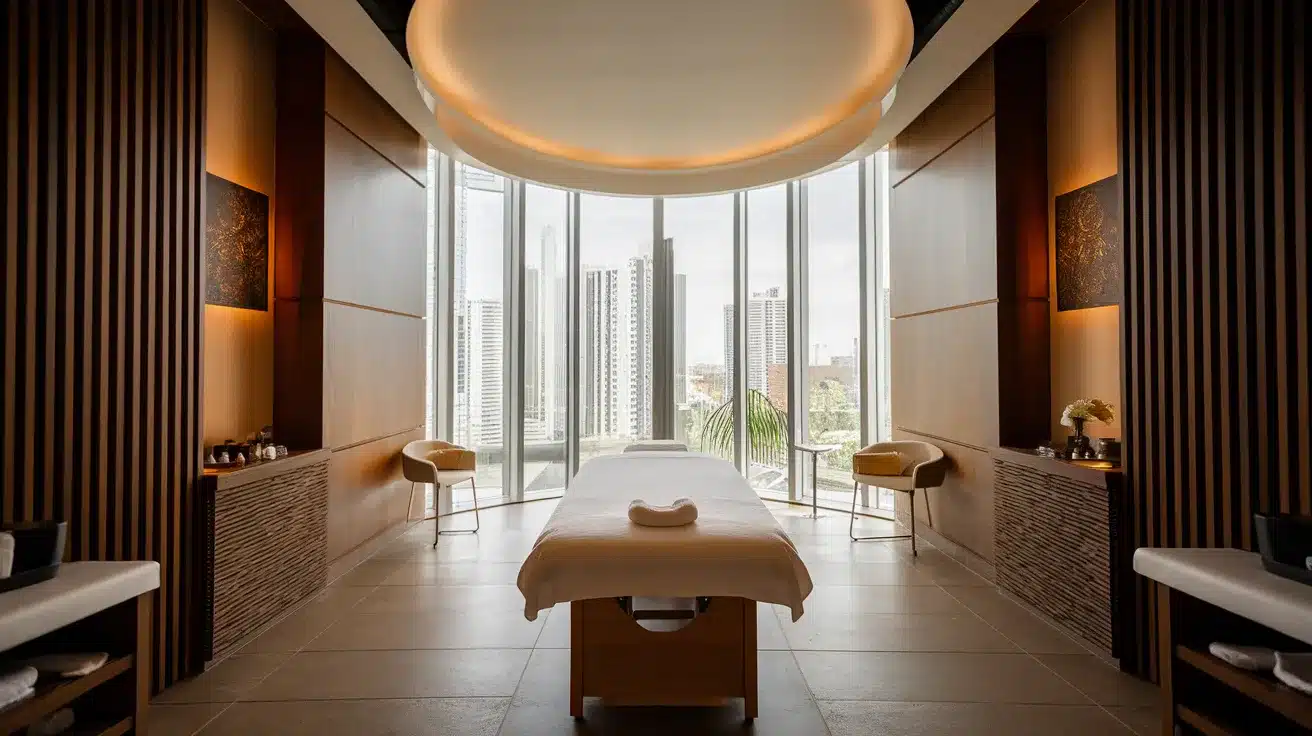
Treatment environments feature soft lighting, controlled temperature, and ambient sounds like ocean recordings or traditional instruments.
Cultural or Traditional Context
Culture fundamentally shapes what qualifies as exotic massage.
These modalities carry philosophies from their origins. Hawaiian Lomi Lomi embodies the aloha spirit, Thai massage connects with Buddhist compassion, and Ayurvedic treatments reflect the dosha theory.
The “exotic” label reveals a cultural positioning that seems unusual in Western contexts but is ordinary in origin countries.
This cultural grounding distinguishes genuine exotic massage from trend-based treatments borrowing foreign names without honoring their healing systems.
Benefits People Associate With Exotic Massages
Exotic massage attracts wellness seekers for various reasons, though experiences vary significantly based on the specific modality, practitioner skill, and individual expectations.
1. Physical Relaxation and Stress Reduction: Many people report feeling deeply relaxed after exotic massage sessions. The extended duration, often 90 to 120 minutes, allows the nervous system to shift into rest mode, potentially reducing the release of stress hormones.2. Enhanced Sensory Experience and Emotional Well-being: Exotic massage distinguishes itself through multi-sensory engagement that many find emotionally restorative. The careful attention to atmospheric aromatic oils, traditional music, and ritualistic elements creates immersive experiences that help clients mentally disconnect from daily stressors.
3. Cultural or Novelty Value: Exotic massage offers a meaningful cultural connection and education. Experiencing authentic traditional healing practices provides insight into different worldviews about health and well-being.Exotic massage offers potential benefits ranging from physical relaxation to cultural enrichment, but results vary depending on the practitioner’s expertise and the individual’s response.
Common Types Often Associated With Exotic Massage
The term “exotic massage” encompasses a broad spectrum of practices, from authentic cultural traditions to erotic services, creating confusion for wellness seekers.
1. Tantric Massage
Tantric massage originates in ancient Indian Tantra philosophy, focusing on cultivating energy and expanding consciousness.
Authentic tantric bodywork aims to awaken vital energy (prana) throughout the body through breathwork, meditation, and intentional touch designed to increase body awareness.
However, the term has become widely misappropriated. Many establishments offering “tantric massage” provide explicitly erotic services with little connection to genuine tantric philosophy.
Authentic tantric practitioners work within comprehensive wellness frameworks, emphasizing spiritual and therapeutic dimensions rather than sexual gratification.
2. Nuru Massage
Nuru massage represents an explicitly erotic full-body massage style from Japan.
Practitioners use colorless Nuru gel made from seaweed to create an incredibly slick surface, then slide their entire bodies against the client’s.
This practice primarily occurs in adult entertainment contexts rather than in therapeutic wellness settings.
Nuru massage centers on sensual and sexual arousal rather than addressing muscle tension or health conditions.
3. Exotic Traditional Styles
Many authentic cultural massage traditions fall under the “exotic” umbrella when practiced outside their original countries.
Hawaiian Lomi Lomi uses flowing, dance-like strokes with forearms, often incorporating warm stones and traditional prayers, addressing physical, emotional, and energetic well-being.
Balinese massage combines gentle stretching, acupressure, and aromatherapy techniques from Indonesian traditions.
Understanding the diverse landscape of exotic massage empowers you to make informed wellness decisions.
What to Expect During an Exotic Massage
Understanding what happens during an exotic massage session helps you feel prepared and ensures a comfortable experience.
Pre-Session Consultation:
Reputable practitioners discuss your health history, including injuries, chronic conditions, and areas of pain, to ensure treatment safety.
The consultation covers your goals, whether you are seeking relaxation, a cultural experience, or tension relief. For culturally-rooted treatments, practitioners explain the tradition’s philosophy and ritual elements.
Boundary setting is essential. Professional therapists clearly explain what the treatment involves, which body areas will be addressed, and draping practices.
Session Flow and Communication:
Sessions typically begin with centering rituals, blessings, breathing exercises, or intention setting.
The environment should feel clean and culturally appropriate with traditional music and aromatic elements.
The massage follows the tradition’s specific sequence. Speak up immediately if pressure feels too intense or if anything hurts. Sessions typically last 90 to 120 minutes.
Aftercare Tips:
Many feel deeply relaxed after treatment, allowing transition time before demanding activities.
Drink plenty of water over the following 24 hours. You may experience temporary mild soreness, emotional sensitivity, or fatigue; these responses are normal.
Avoid vigorous exercise, alcohol, or heavy meals immediately afterward.
Professional exotic massage prioritizes your safety and comfort. You control the experience; asking questions, setting boundaries, and providing feedback are encouraged.
9 Different Techniques of Exotic Massage

Exotic massage stands apart through distinctive techniques reflecting centuries of cultural healing wisdom, incorporating flowing movements, energy work, and specialized tools.
1. Flowing and Rhythmic Movements
Many exotic traditions emphasize continuous, dance-like strokes rather than isolated muscle manipulation.
Hawaiian Lomi Lomi practitioners use their forearms in long, fluid motions that mimic ocean waves, maintaining constant contact.
Balinese massage incorporates rolling, kneading, and stroking with varying pressure using palms, thumbs, and knuckles in coordinated sequences.
2. Assisted Stretching and Compression
Thai massage is renowned for yoga-like assisted stretching sequences.
Practitioners use body weight to guide clients through passive stretches targeting major muscle groups and joints.
Compression techniques apply rhythmic pressure using palms, thumbs, elbows, and feet along energy pathways to release blockages and restore balance.
3. Acupressure and Point Work
Many exotic modalities incorporate acupressure, applying pressure to specific points believed to influence energy flow.
Balinese massage includes reflexology on the feet and hands.
Ayurvedic marma therapy focuses on vital energy points at junctions of muscles and bones, using gentle circular pressure to clear energetic blockages.
4. Hot Stone and Thermal Techniques
Heated volcanic or river rocks are strategically placed along the spine, in the palms, or between the toes, providing sustained heat that relaxes muscles and improves circulation.
Some practitioners use stones as massage tools, gliding them across muscles with oil to promote more profound relaxation.
5. Herbal Compress Application
Southeast Asian traditions use herbal compresses filled with lemongrass, ginger, turmeric, and kaffir lime.
These fabric bundles are steamed until hot, then pressed and rolled across the body.
The heat opens pores for herbal absorption while providing deep-penetrating moist heat therapy.
6. Oil Application and Abhyanga Strokes
Ayurvedic Abhyanga massage uses generous amounts of warm oil, often sesame or coconut-based and infused with herbs.
Practitioners apply oil with long, flowing strokes in the direction of circulation.
Oil application varies, with circular motions on joints, long strokes on limbs, and gentle movements on the abdomen.
7. Breathwork Integration
Several exotic traditions incorporate conscious breathing techniques.
Practitioners guide clients through specific breathing patterns, enhancing relaxation and body awareness.
Some traditions synchronize massage strokes with breath cycles, creating harmony between touch and respiration.
8. Percussion and Tool-Assisted Work
Rhythmic tapping and percussion techniques stimulate circulation and energize tissues.
Heated bamboo massage uses smooth bamboo stalks as massage tools, rolled and pressed across muscles.
The bamboo retains heat while providing firm pressure. Some traditions use specialized tools, such as Ayurvedic kansa wands, for deep-pressure work.
9. Energy Work and Full-Body Integration
Many exotic massage traditions view touch as an act of energy transfer rather than just physical manipulation.
Practitioners cultivate presence and intention, believing these elements contribute to healing.
Exotic massage treats the body as an interconnected whole, working systematically from head to toe or following energy pathways.
How Exotic Massage Differs From Other Massage Types
Understanding how exotic massage compares to other bodywork styles helps clarify what to expect and which approach best suits your wellness needs.
Exotic Massage: Exotic massage is a broad term for massage styles rooted in non-Western cultural traditions or unusual techniques that fall outside conventional spa offerings. These treatments often incorporate ritual elements, traditional tools, and holistic philosophies addressing body, mind, and spirit.
Spa Massage: Spa massage is a general relaxation massage offered in spa settings, typically using standardized Western techniques with an emphasis on creating a pleasant, pampering experience. Focuses on stress relief and comfort rather than clinical outcomes or cultural traditions.
Therapeutic Massage: Therapeutic massage is a clinical bodywork designed to treat specific medical conditions, injuries, or chronic pain. Performed by licensed therapists with specialized training, therapeutic massage targets pathologies using evidence-based techniques like trigger point therapy.
Standard Massage: Standard massage is the most common Western massage style, using five basic stroke techniques: long gliding movements (effleurage), kneading (petrissage), friction, tapping (tapotement), and vibration.
| Aspect | Exotic Massage | Spa Massage | Therapeutic Massage | Standard Massage |
|---|---|---|---|---|
| Purpose | Cultural experience, energy balance, and traditional healing | Relaxation, stress relief | Pain relief, injury treatment | Muscle relaxation, tension relief |
| Techniques | Herbal compresses, energy work, assisted stretching, ritual elements | Standardized strokes, aromatherapy | Trigger point, myofascial release | Swedish: gliding, kneading; Deep Tissue: deep pressure |
| Tools | Heated bamboo, volcanic stones, and herbal bundles | Hot stones, essential oils | Minimal; hands-on focus | Primarily hands, standard oils |
| Environment | Cultural atmosphere, traditional music, incense | Comfortable spa setting | Clinical setting | Professional massage room |
| Foundation | Energy systems (qi, prana), spiritual traditions | Western relaxation concepts | Anatomy, pathology | Muscular systems, circulation |
| Training | Traditional lineage, cultural apprenticeship | General massage certification | Licensed with specialization | State-licensed therapist |
| Client Role | Active (breathing, stretching) | Passive relaxation | Variable | Passive relaxation |
| Duration | 90-120+ minutes | 60-90 minutes | 30-90 minutes | 30-90 minutes |
| Insurance | Rarely covered | Never covered | Often covered | Rarely covered |
Choose therapeutic massage for injury recovery, spa massage for straightforward relaxation, and exotic massage for cultural exploration and holistic healing rooted in traditional practices.
Risks, Content & Safety in Exotic Massage
Navigating exotic massage safely requires understanding potential risks, recognizing professional boundaries, and verifying practitioner credentials.
Professional Boundaries and Consent
Legitimate therapeutic massage maintains clear professional standards, prioritizing client safety and informed consent.
You have the absolute right to stop any technique, request modifications, or end the session at any point. Professional practitioners check in regularly about comfort and pressure.
Legitimate therapists maintain appropriate draping and avoid intimate areas unless specifically trained with explicit consent and medical necessity.
Licensing and Training Standards
Verifying practitioner credentials protects you from unsafe treatment. In many locations, massage therapists must complete accredited training programs (500-1,000 hours) and pass licensing examinations.
Licensed massage therapists have demonstrated baseline competency in anatomy, ethics, and professional standards.
For culturally-specific exotic massage, authentic training often occurs outside standard Western education. Ask practitioners: Where did they study? How long was the program? Did they train in the country of origin of the tradition?
Hygiene and Legal Compliance
Hygiene standards should match healthcare facilities.
The treatment room should be clean, linens freshly laundered, and surfaces sanitized between sessions. Observe overall facility cleanliness and professional maintenance.
Legal compliance varies by location. Some jurisdictions heavily regulate massage services, requiring business licenses and health inspections.
Conclusion
Exotic massage encompasses diverse bodywork practices rooted in cultural traditions, distinguished by holistic philosophies, specialized techniques, and immersive sensory experiences.
Unlike standard Western or therapeutic massage, these modalities address body, mind, and spirit through ancient healing frameworks.
Prioritize safety by verifying practitioner credentials, ensuring clear boundaries and consent, and choosing reputable wellness centers.
When approached with discernment, exotic massage offers transformative experiences that connect you to time-honored healing wisdom.
Frequently Asked Questions
Which Massage Includes Intimacy?
In contemporary usage, the term “tantric massage” is frequently applied to services that are, in essence, erotic massages.
What Does B2B Mean in Massage?
B2B massage, or Body-to-Body massage, is an intimate massage style in which the therapist uses their own body for deep, immersive touch, going beyond traditional techniques for intense relaxation and connection.
What Is a Testicle Massage Called?
A lingam massage is a type of tantric massage that primarily focuses on the male genitalia. It is the male equivalent of a Yoni massage.