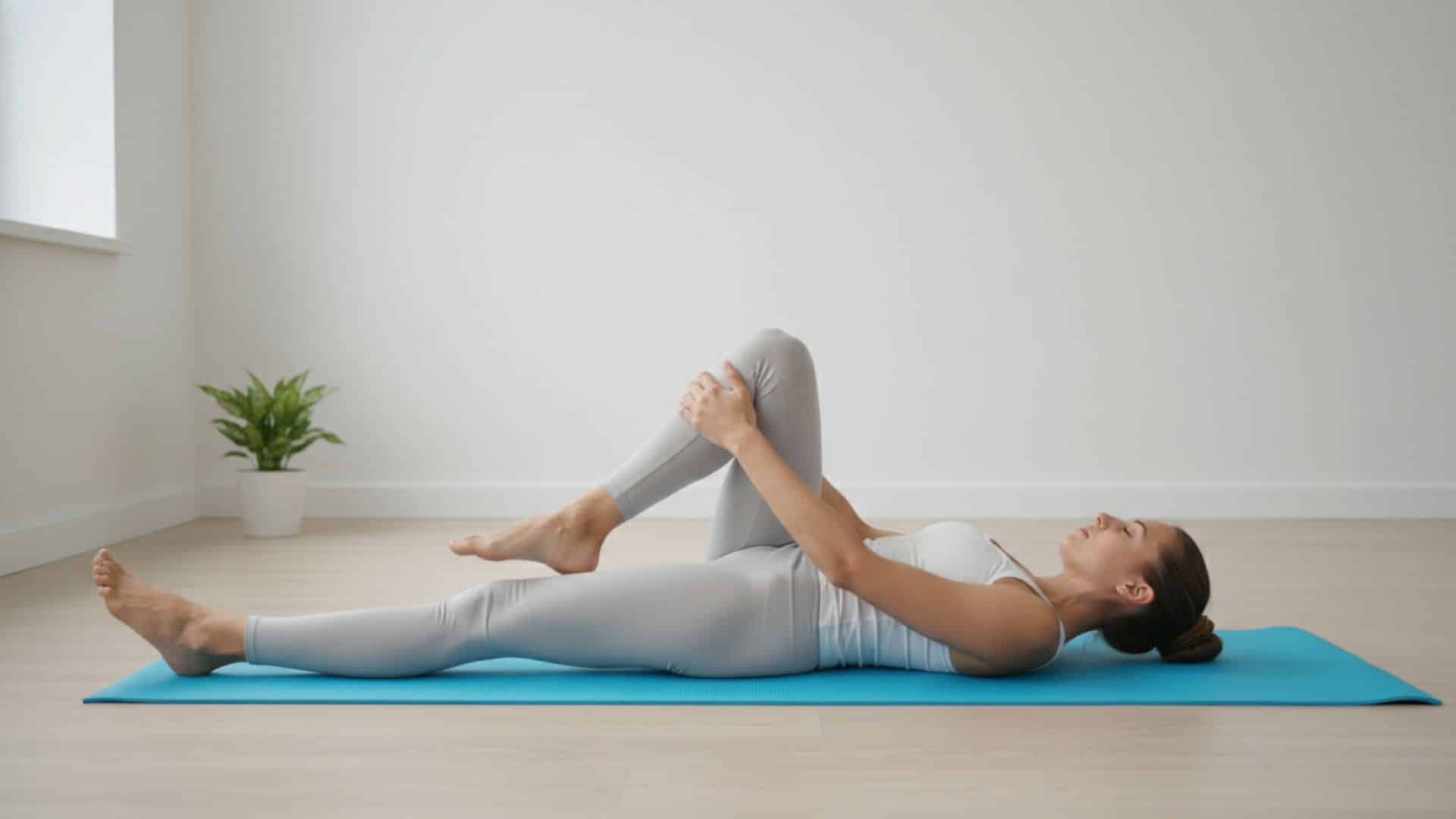
Do you wake up with puffy eyes or feel heaviness in your legs by the end of the day? Swelling and fatigue are common signs that your lymphatic system might need support.
Your lymphatic drainage system continuously filters toxins and moves fluid through your body. When circulation becomes sluggish from illness or inactivity, swelling and heaviness can develop.
Lymphatic massage encourages your body’s natural drainage process to work more efficiently. You may need this technique to reduce swelling, support recovery, and restore balance.
This guide covers the key benefits of lymphatic massage, how it works, and who may benefit most. You’ll also learn what to expect during a session and when to seek professional advice.
What Is A Lymphatic Massage?
Lymphatic massage is a therapeutic technique that uses gentle, rhythmic strokes to encourage the movement of lymph fluid through the body’s lymphatic system.
The pressure is very light; much softer than traditional massage. It follows the natural pathways of lymph flow toward lymph nodes to help reduce swelling, remove waste, and support overall wellness.
Therapists push lymph fluid toward lymph nodes following natural pathways. Sessions typically last 30 to 60 minutes. Standard target zones include the neck, face, abdomen, arms, and legs.
The goal is simple: help your body drain excess fluid and reduce swelling.
Benefits of Lymphatic Massage
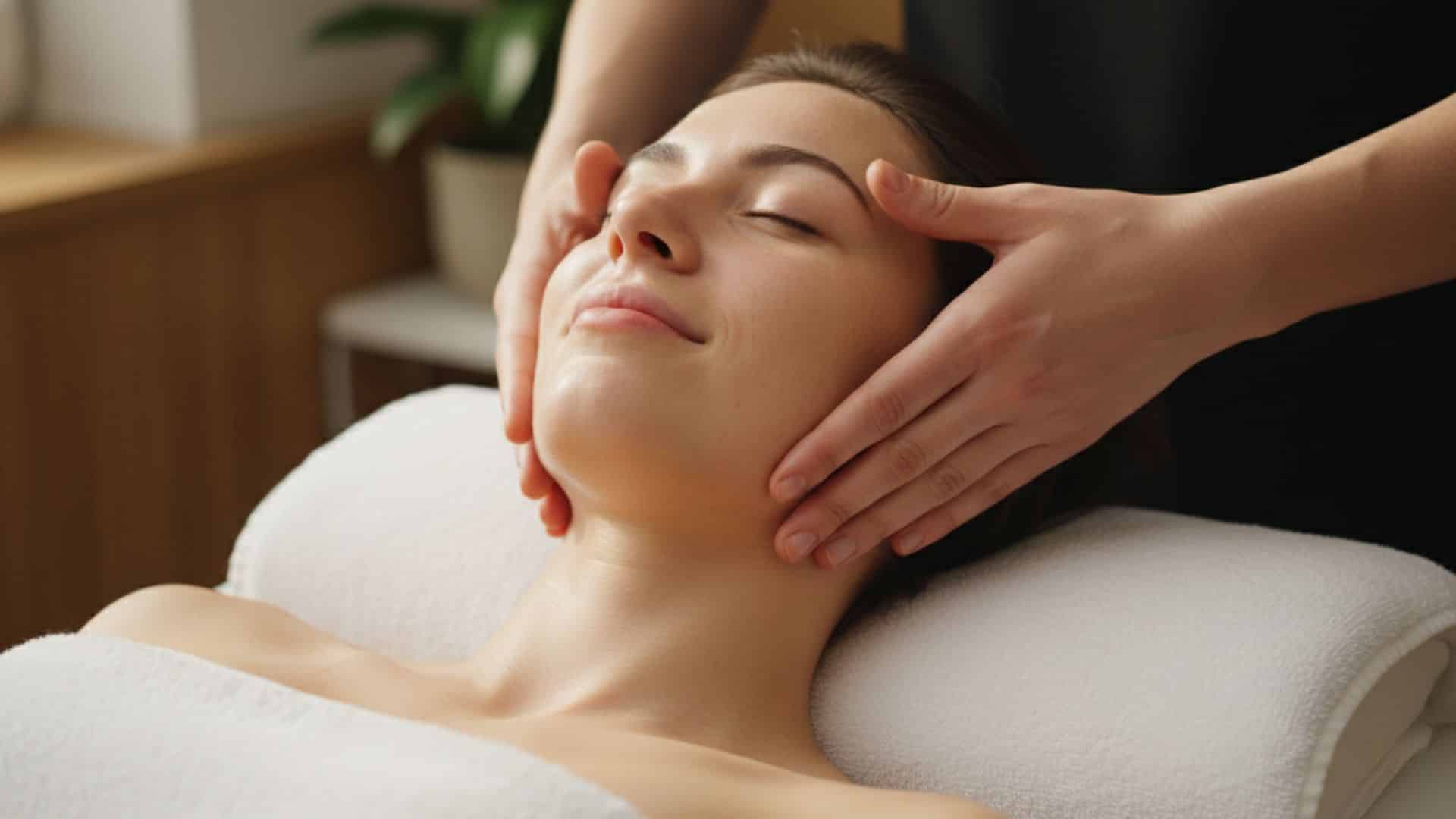
With a solid foundation of what this therapy is, let’s learn about its benefits. These advantages range from physical to emotional well-being.
1. Reduces Swelling and Fluid Retention
Swelling happens when fluid accumulates in tissues. The gentle strokes help push trapped fluid back into circulation.
Areas such as the ankles, legs, arms, and hands respond well to drainage therapy. People who stand or sit all day often experience fluid buildup.
Pregnancy can also cause swelling in the lower body. You may notice a visible reduction after just one session, though chronic swelling requires multiple treatments.
2. Supports Immune System Function
Your lymphatic system transports white blood cells throughout your body. When lymph flow improves, immune cells move more efficiently and reach problem areas faster.
The massage also helps remove pathogens trapped in lymph nodes. Regular sessions may reduce the frequency of minor illnesses.
Some people report fewer colds or infections. This benefit works best as part of an overall wellness routine.
3. Helps Improve Skin Appearance
Healthy lymph flow affects how your skin looks and feels. Facial treatments specifically target puffiness around the eyes and jaw, reducing morning swelling.
Many people notice a more contoured face shape. Better waste removal means fewer toxins affecting skin quality.
This can reduce breakouts and improve overall tone. The increased circulation brings more oxygen to skin cells, supporting collagen production.
4. Supports Post-Surgery Recovery
After surgery, your body needs to clear surgical swelling and promote healing. Many doctors recommend drainage therapy as part of recovery, especially after cosmetic procedures.
The gentle technique helps reduce post-operative swelling faster, decreasing discomfort and improving mobility.
Plastic surgeons often suggest sessions after liposuction, tummy tucks, or breast surgery to help contour results appear sooner.
Always get medical clearance before starting post-surgery treatments. Timing matters for optimal results.
5. Promotes Relaxation and Stress Reduction
The calming nature of this therapy offers mental health benefits. A gentle touch triggers relaxation responses in your nervous system, naturally lowering stress levels.
Many people fall asleep during treatment. Lower stress means reduced cortisol levels, which affects weight, sleep, and immune function.
The treatment provides dedicated time for self-care, improving mental well-being, and reducing anxiety.
6. Helps Manage Inflammation
Chronic inflammation can cause ongoing discomfort. The massage helps move inflammatory substances out of tissues.
By improving lymph flow, the treatment reduces inflammatory buildup, decreasing pain and swelling in affected areas.
People with conditions like arthritis sometimes use this therapy for symptom relief. The gentle approach makes it suitable for sensitive areas without aggravating inflamed tissues.
7. Reduces Facial Puffiness
Morning face puffiness affects many people as fluid accumulates overnight while you sleep.
Facial drainage helps move this fluid away from delicate tissues. The technique targets areas around the eyes and cheeks.
Results can be visible within minutes. Regular facial sessions may reduce chronic puffiness, and under-eye bags often improve with consistent care.
8. Encourages Overall Wellness and Balance
The cumulative effects of regular sessions support whole-body health. Better fluid balance, reduced inflammation, and improved circulation all contribute to smoother body function.
Many people incorporate this therapy into wellness routines alongside healthy eating, exercise, and stress management.
The gentle nature makes it accessible for most people. You don’t need to be in pain or have specific issues; preventive care supports long-term health.
Who Benefits Most from Lymphatic Massage?
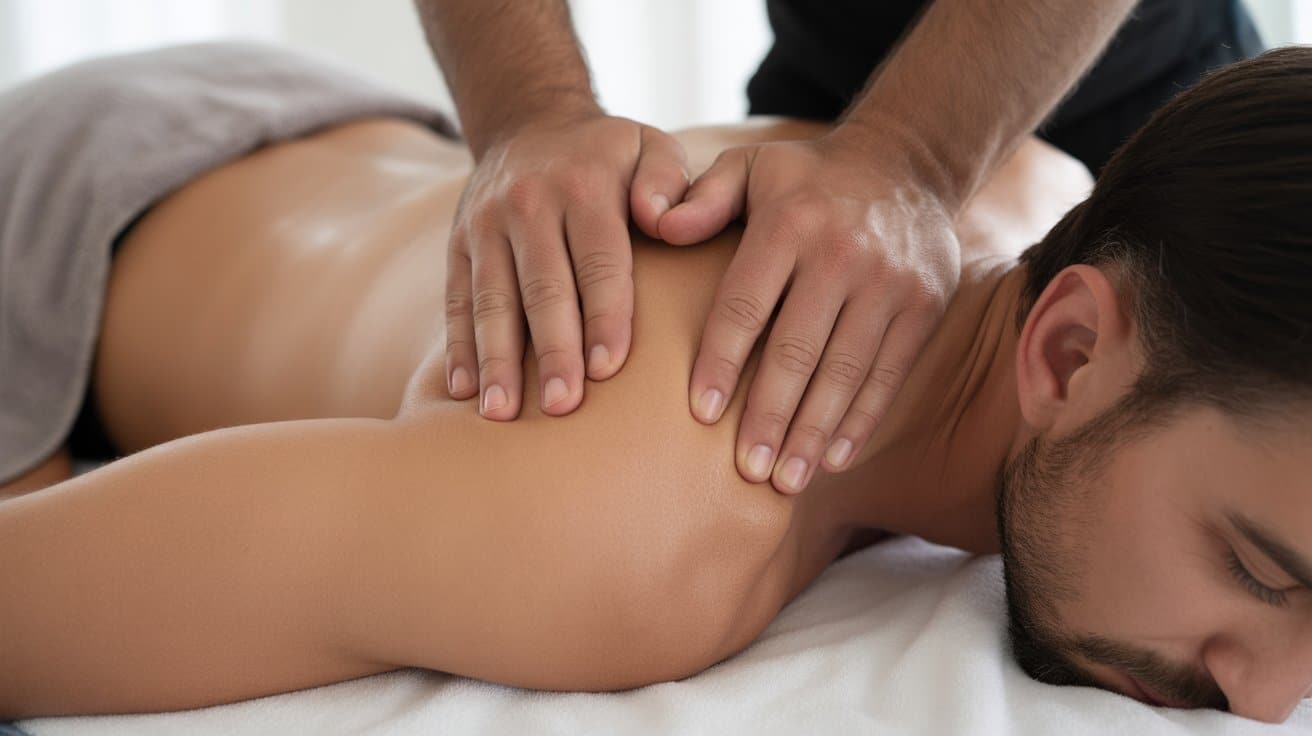
While many people can benefit from this therapy, certain groups see powerful results. Understanding if you fall into one of these categories can help you decide if this treatment is proper for you.
1. People Experiencing Swelling or Lymphedema
Lymphedema causes significant swelling, usually in the arms or legs. Cancer survivors frequently develop lymphedema after treatment when radiation and surgery affect lymph node function.
The massage is a standard treatment for managing this condition. Even mild fluid retention responds well to treatment.
Chronic puffiness in ankles or hands improves with consistent care from certified therapists.
2. Individuals Recovering from Surgery or Medical Procedures
Surgery triggers inflammation and fluid buildup. Cosmetic surgery patients commonly use post-operative massage to speed healing.
Orthopedic surgeries also benefit, as gentle drainage reduces discomfort and improves mobility during recovery.
Mastectomy patients often use this therapy to prevent lymphedema. Always get the surgeon’s approval before starting treatment.
3. People with Poor Circulation or Sedentary Lifestyles
Sitting for long periods significantly slows lymph flow. Office workers and frequent travelers experience fluid pooling in the lower extremities.
The massage counteracts these effects by manually moving fluid.
Elderly individuals with reduced mobility benefit from regular treatments that help maintain system function despite limited activity.
4. Individuals Focused on Skin Health and Wellness
Skincare enthusiasts have embraced facial drainage techniques. Better lymph flow improves skin tone and reduces puffiness.
The treatment complements topical skincare products and supports anti-aging routines. Wellness-focused individuals use full-body sessions for prevention.
Maintaining good lymph flow supports long-term health without addressing specific problems first.
When Lymphatic Massage May Not Be Suitable?
Despite its many benefits, this therapy isn’t appropriate for everyone. Certain medical conditions require caution or medical clearance before starting treatment.
Conditions That Require Medical Advice
Certain health conditions make this therapy unsafe without medical clearance. Active infections are a primary concern, as the massage could spread bacteria or viruses through your system.
People with congestive heart failure should avoid this treatment. Moving excess fluid can strain an already overworked heart.
Blood clots or deep vein thrombosis pose serious risks, as the massage could dislodge a clot. Active cancer requires special consideration. Kidney problems also affect your body’s ability to process fluids.
Acute inflammation from fresh injuries needs 48-72 hours to stabilize before treatment.
Why Professional Guidance Matters
Trained therapists understand anatomy and contraindications. They know when to proceed and when to refer you elsewhere.
Certified lymphedema therapists have specialized training beyond standard massage education. Your healthcare provider can recommend qualified practitioners.
Professional evaluation identifies individual needs, and customized treatment plans deliver better results. Insurance sometimes covers sessions for medical conditions with proper documentation.
What to Expect During and After a Lymphatic Massage?
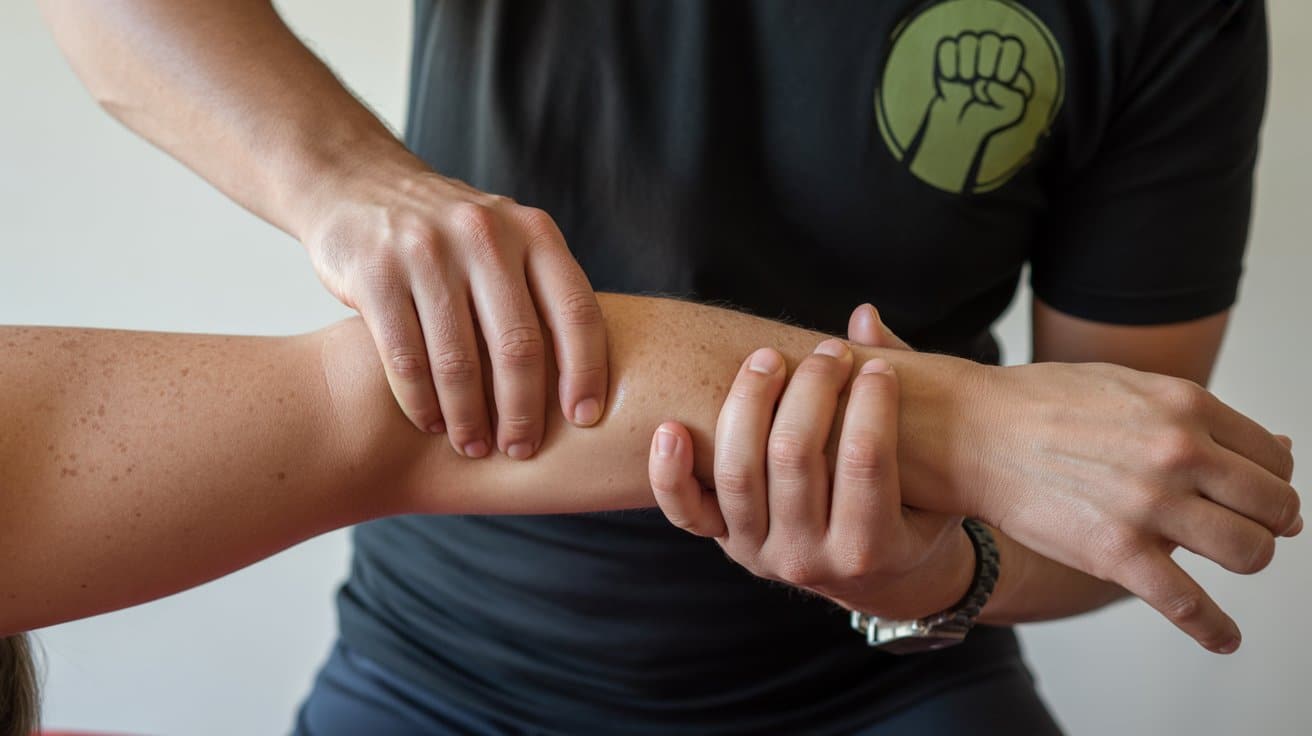
Knowing what happens during a session can help ease any nervousness about your first appointment. The experience is typically gentle and relaxing from start to finish.
1. What does the Session Typically feel like?
You’ll lie on a comfortable massage table in a quiet room. The therapist uses very light pressure throughout the session, which feels like gentle skin stretching.
Strokes are rhythmic and repetitive in slow, circular, or pumping patterns. Sessions usually last 30 to 90 minutes. You remain mostly clothed or draped with sheets.
Most people feel deeply relaxed during treatment, and some fall asleep from the soothing movements.
2. Common After-Effects
You may feel slightly tired after your first few sessions as your body processes waste more actively. Increased urination is entirely normal. Drink plenty of water to support this process.
You might feel lighter and less bloated immediately. Energy levels often improve within 24 hours once your body processes the released waste. Skin may look brighter and feel smoother.
3. How Results Can Vary Between Individuals
Everyone’s lymphatic system functions differently. Age, health status, and lifestyle all affect results.
People with acute swelling often see immediate improvement, while chronic conditions require more sessions.
Hydration status impacts effectiveness. Your activity level between sessions matters too, as movement supports continued drainage.
How Often Is Lymphatic Massage Recommended?
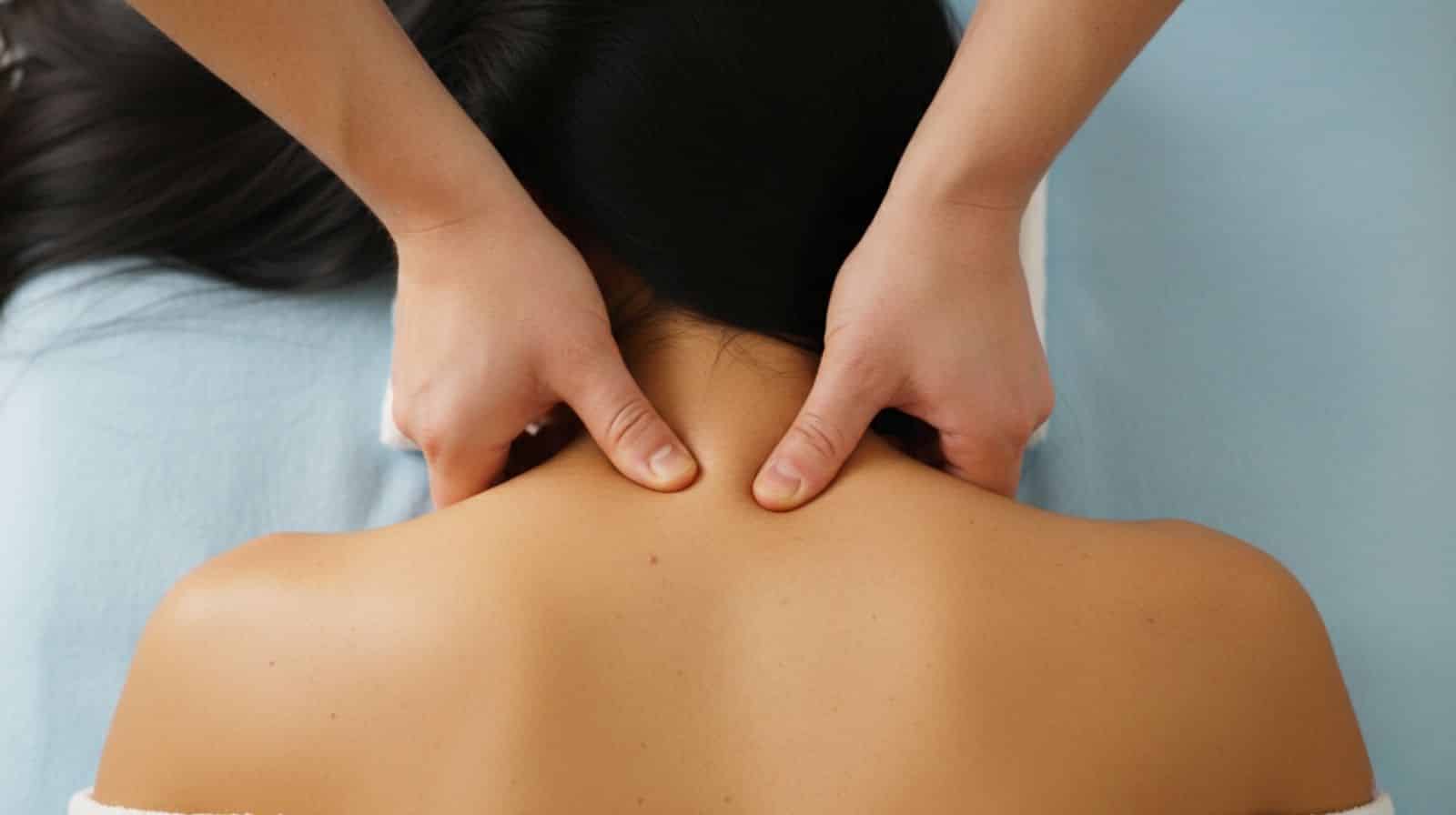
The frequency of sessions depends on your specific needs and goals. Understanding the recommended schedules can help you plan your treatment approach.
Frequency Based on Individual Needs
Acute conditions often need frequent sessions initially: two to three times per week. Chronic lymphedema typically requires ongoing maintenance with once or twice weekly sessions.
General wellness maintenance needs less frequent care. Once or twice a month keeps your system flowing well.
People with sedentary jobs benefit from weekly sessions to counteract the effects of prolonged sitting.
Professional Sessions vs At-Home Options
Professional treatments provide comprehensive care with trained therapists who access hard-to-reach areas.
At-home techniques offer convenient daily support like simple facial drainage that takes just minutes each morning.
Dry brushing is a popular home option involving brushing skin in specific patterns before showering. Staying active is the best home practice; walking, swimming, and yoga all promote lymph flow.
Combining professional and home care works best. Therapists provide deep work while you maintain results daily.
Final Thoughts
Your lymphatic system works constantly to keep you healthy and deserves the same attention you give other aspects of wellness.
From reducing swelling to supporting immune function, the benefits extend beyond the massage table. Better circulation, improved skin, and stress relief all contribute to how you feel daily.
Whether you’re managing a medical condition or seeking preventive care, drainage therapy has something to offer.
What’s your experience with swelling or fluid retention? Share your thoughts in the comments below.
Frequently Asked Questions
What Should You Not Do Before A Lymphatic Massage?
Do not apply lotion to your skin before the session. Lymphatic drainage massage is more effective when there is dry skin contact.
How Do Toxins Leave The Body After Lymphatic Massage?
Through increased lymph flow to lymph nodes, which filter waste. Your kidneys and liver then process and eliminate these toxins through urine and other natural waste removal.
What Comes Out Of Your Body During A Lymphatic Massage?
Lymph fluid carrying cellular waste, excess proteins, bacteria, viruses, and metabolic byproducts moves toward lymph nodes for filtering, then exits through urine primarily.